Birnirk landmark reveals the roots of modern Iñupiat culture
Birnirk, or Piġniq, links Utqiagvik to the earliest Iñupiat record in northern Alaska, and local institutions keep that story visible today.
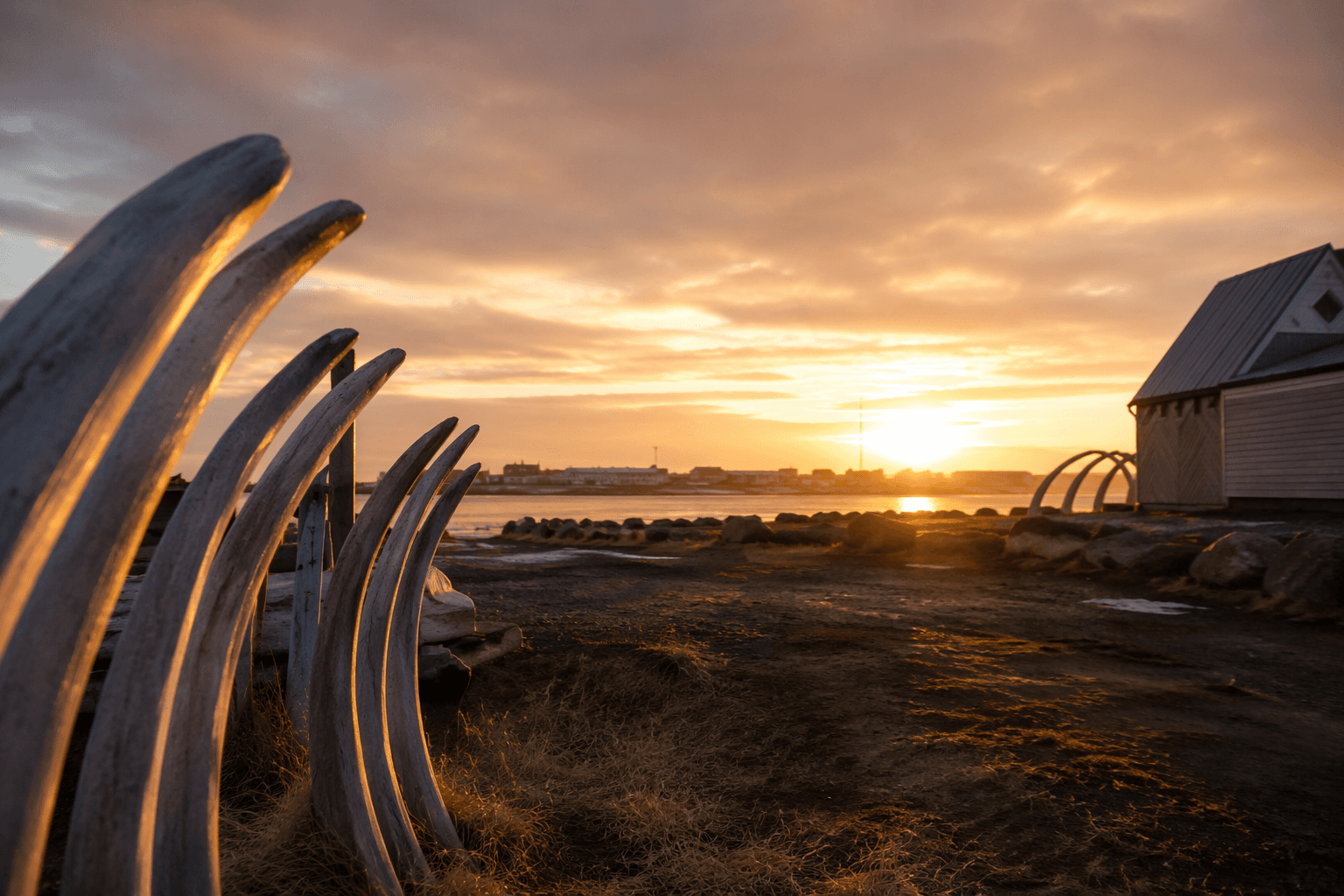
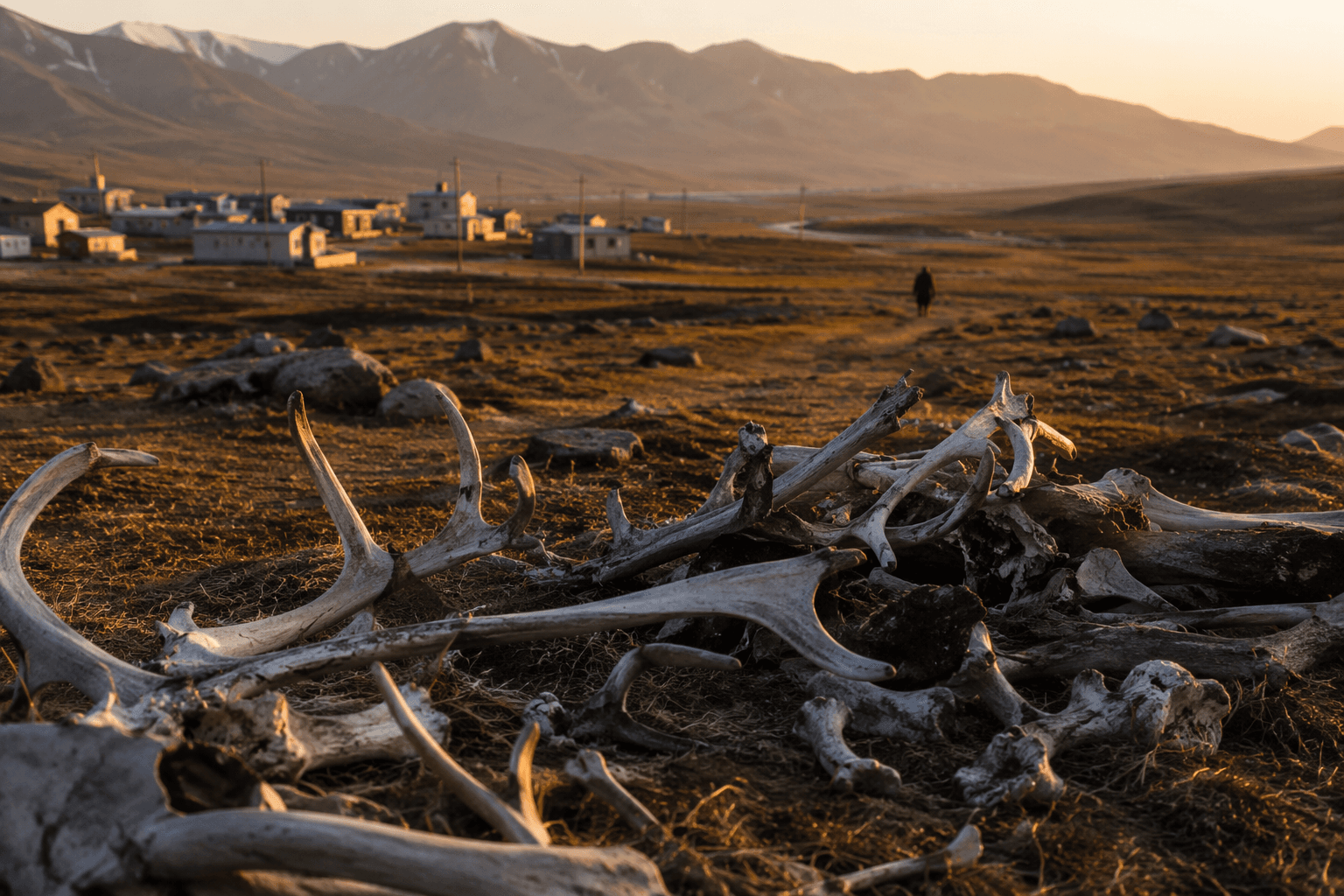
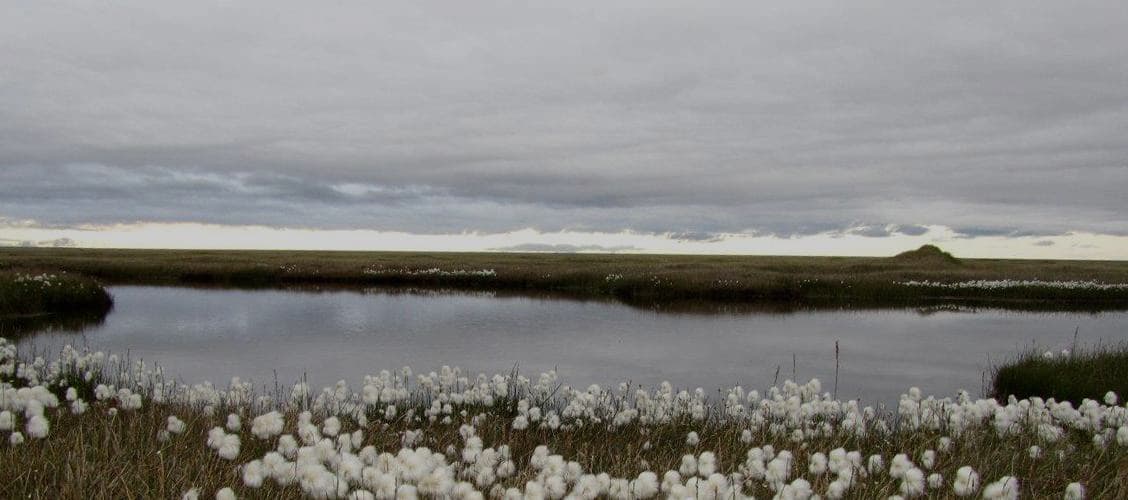
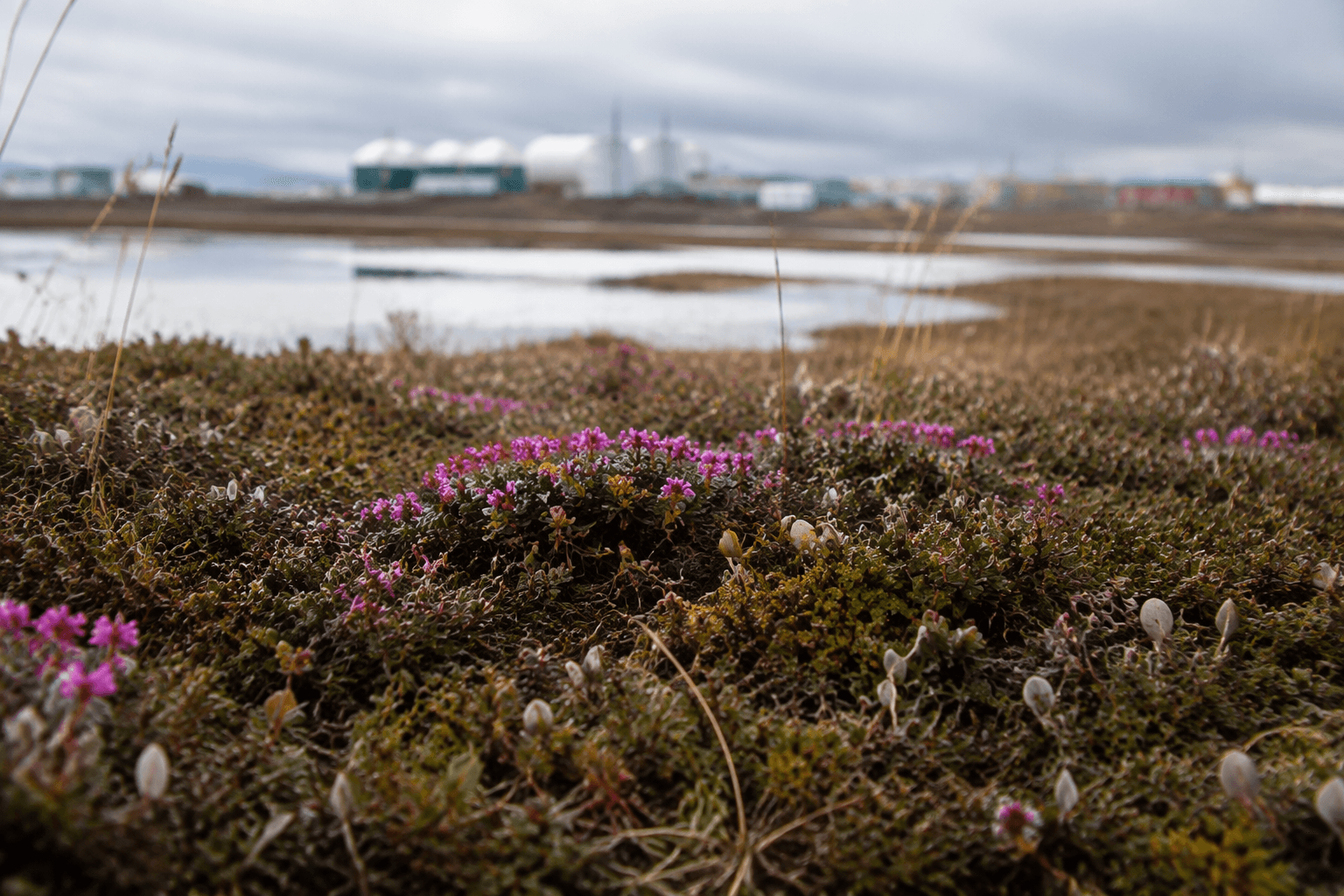
Birnirk, the archaeological landmark known locally as Piġniq, sits on the Chukchi Sea coast in Utqiagvik and anchors one of the deepest origin stories in the North Slope Borough. The National Park Service identifies the site as the earliest instance of Iñupiat culture in northern Alaska, with a tradition that lasted from about 500 CE to 900 CE. For a borough that still lives with the rhythms of sea ice, marine mammals, and Arctic travel, Birnirk is not a distant relic. It is part of the record of how modern Iñupiat life took shape.
What the name Piġniq tells you
Piġniq is the Iñupiaq name for the site, and it means “joint,” a reference to the lagoon of the archaeological district. That matters because the name preserves geography in the language itself, tying the place to water, land movement, and the way people moved through the coastal landscape. In Utqiagvik, where place names routinely carry ecological knowledge, Piġniq fits into a wider pattern of Iñupiaq naming that encodes what a site is for, not just where it is.
Travel Alaska describes Utqiagvik, formerly Barrow, as one of the largest Iñupiaq settlements in Alaska and says the name means “the place where we hunt snowy owls.” Put alongside Piġniq, the naming tells a larger story: local language here still maps subsistence, weather, and geography in ways that outsiders often miss. The borough’s cultural landscape is therefore not just visible in archaeology, but in the names people use every day.
Why Birnirk matters to modern Iñupiat identity
The site’s importance comes from what it reveals about continuity. The Birnirk tradition is widely treated as a predecessor of modern Iñupiat culture in northern Alaska, and the Alaska Anthropological Association and National Park Service archaeology poster places Birnirk peoples within a maritime culture that also extended onto Russia’s Chukchi Peninsula. That connects the North Slope to a broader Arctic world of movement, exchange, and adaptation.
The National Park Service says technologies developed in the Birnirk tradition helped support population expansion across Arctic regions of North America and Greenland. That means Birnirk belongs in the same conversation as the wider spread of Inuit-related peoples across the Arctic, not just in a local heritage frame. A 2022 JSTOR-listed study on Birnirk Inuit from the Alaskan North Slope adds another layer, describing Birnirk peoples, dated in that study to AD 650 to 1300, as proposed genetic ancestors of the Thule Inuit and a potentially intermediary population in Inuit prehistory. The scholarly question is still active because the site sits at the center of how researchers understand migration, ancestry, and adaptation.
What the archaeology shows on the ground
Birnirk is not a single mound or one visible ruin. The site includes 16 prehistoric mounds and is listed as both a National Historic Landmark and a National Register of Historic Places site, with reference number 66000953. Springer Nature’s reference on Barrow area sites identifies Birnirk as the type site of the Birnirk culture in the Utqiagvik area, which places it at the center of a cluster of important archaeological landscapes that also includes Utqiagvik proper, Ukkuqsi, Kugok, and Nuvuk.
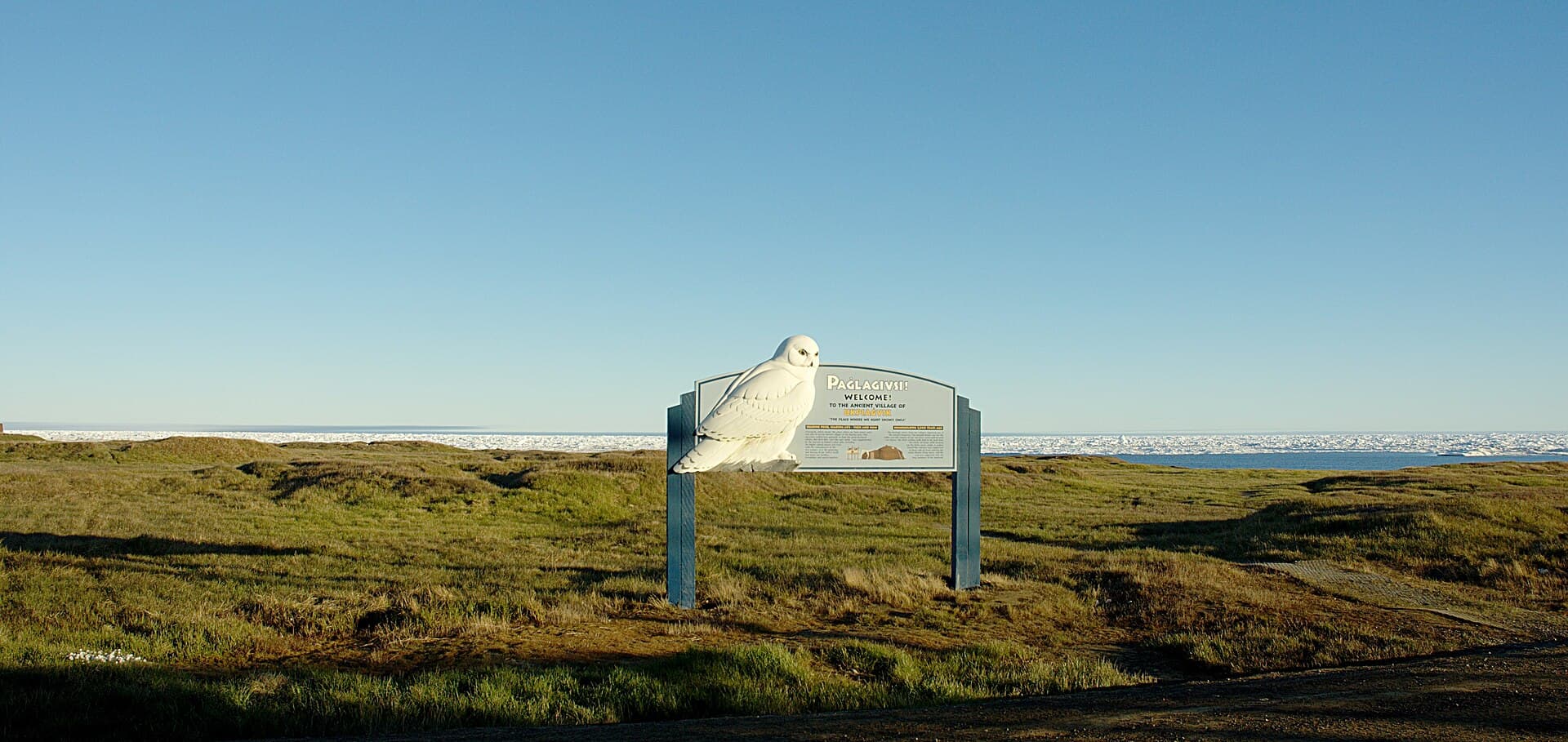
That wider setting matters because Birnirk was part of a living coastal system, not an isolated spot. The Utqiagvik area’s archaeological record shows long-term occupation across multiple sites, and Birnirk helps define the cultural tradition that scholars use to interpret that record. When local people, researchers, and visitors talk about the North Slope’s deep past, they are often talking about a network of sites that still frame how the borough understands itself.
Who interprets and protects the site today
The National Park Service is the key federal steward of the landmark designation, and its place page defines the site’s status, location, and historical importance. That federal role gives Birnirk official recognition, but public understanding comes through a broader set of institutions that translate the archaeology for residents and visitors. The University of Alaska Museum of the North presents Birnirk within its exhibit context on northern cultures, while the Alaska Anthropological Association and NPS archaeology poster connect the site to larger questions of Arctic prehistory and modern Iñupiat identity.
That division of labor matters in the North Slope Borough. The NPS protects the landmark’s standing in the national system; university and professional archaeology institutions interpret the evidence; and place-based organizations such as Travel Alaska help situate Utqiagvik and Piġniq for people learning the region’s geography. Together, those institutions shape access and education without reducing the site to a museum label. They keep it legible as a living part of borough history.
Why Birnirk still changes how Utqiagvik is read
Birnirk changes the way people should understand Utqiagvik itself. The borough’s largest community is not just the administrative center of the North Slope Borough; it is also the town closest to a foundational archaeological landscape for Iñupiat culture. That proximity makes the site more than a protected place on a map. It turns everyday life in Utqiagvik into part of a much longer story about coastal survival, technological innovation, and cultural continuity.
The strongest lesson from Birnirk is that modern North Slope life did not appear all at once. It emerged from generations of maritime adaptation along the Alaska North Slope, with connections reaching the Chukchi Peninsula and Greenland. Piġniq stands as a local landmark, a national historic site, and a reference point for understanding how Iñupiat identity endures through language, place, and archaeology.
This article was produced by Prism’s automated news system from verified source data, official records, and press releases, then run through automated quality and moderation checks before publishing. The system is built and supervised by the people who set the standards it runs under. Read our full AI policy.
Did this article answer your question?