North Slope Borough plant guide highlights subsistence and Iñupiaq names
North Slope plant knowledge is a food skill, not a side interest: the borough’s guide pairs Iñupiaq, scientific and common names so residents can identify what is useful now.
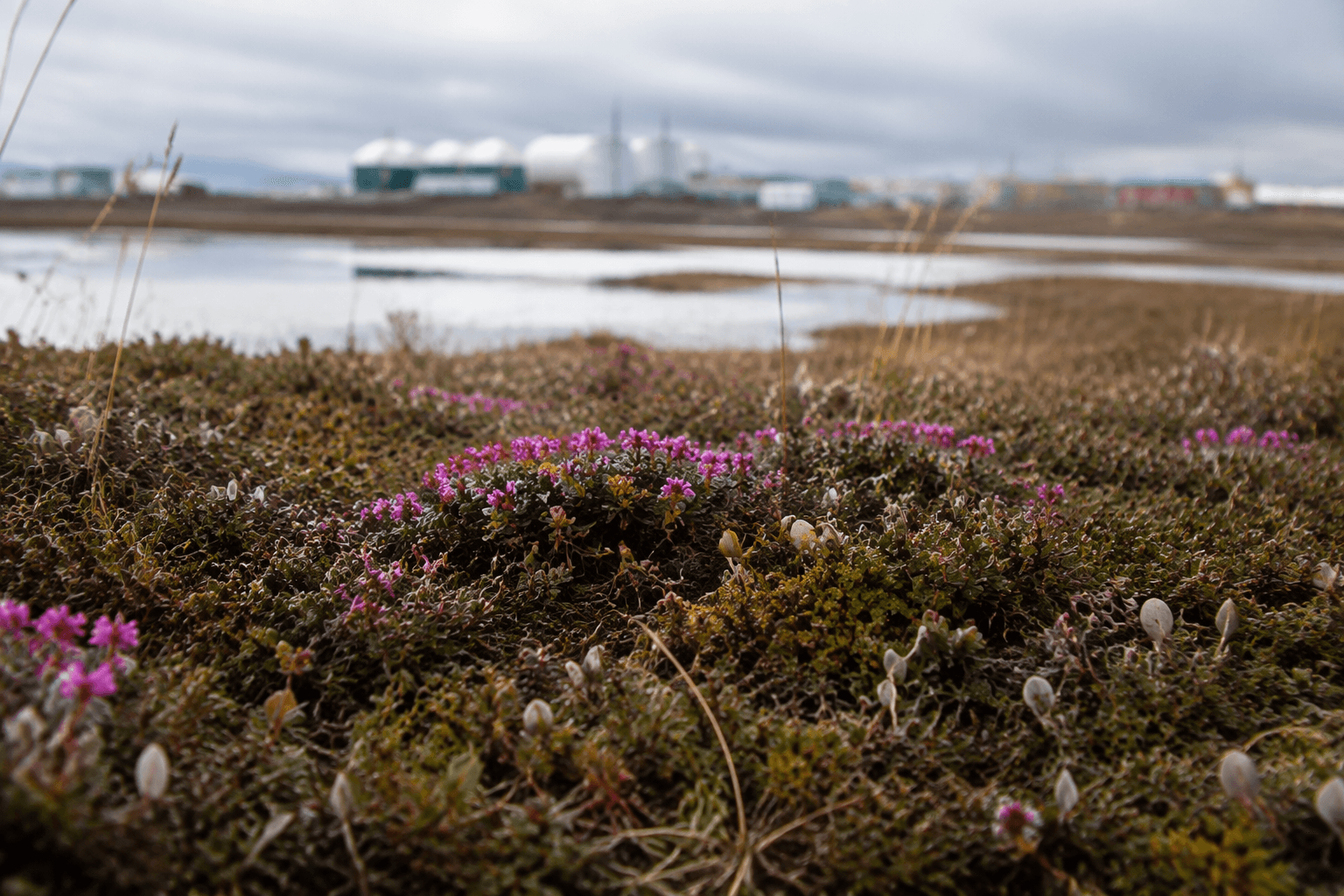
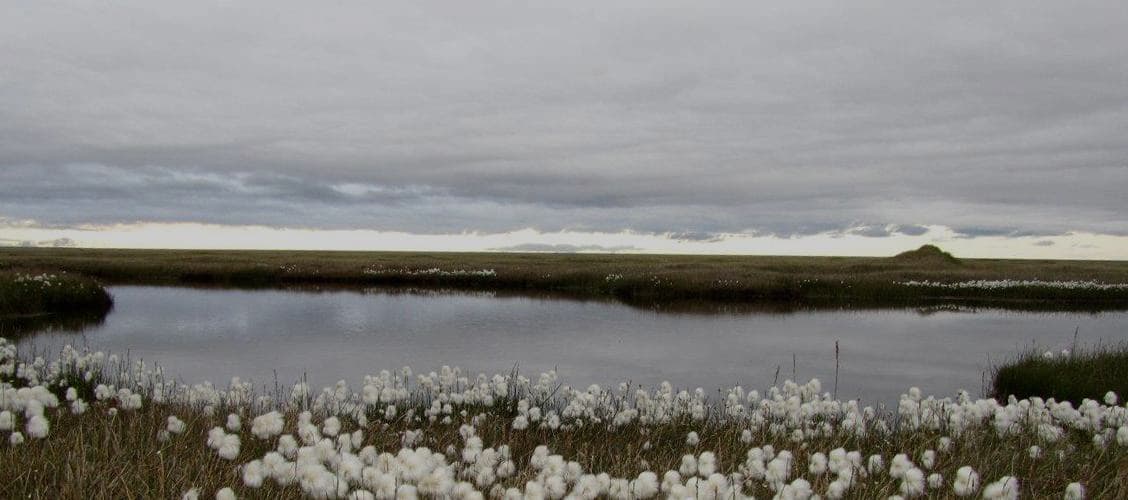
Plants on the North Slope are part of the food system, the language system and the daily rhythm of village life. The North Slope Borough’s plant materials put common, scientific and Iñupiaq names side by side, with pictures and descriptions, so people can identify what grows across the borough before deciding whether it belongs in the pot, the freezer or simply the notebook.
That matters in a borough where the majority of residents are Iñupiat and where people live in eight villages, with populations ranging from 250 to 4,429. The borough said there were 9,503 residents in 2011, a reminder that this is a small, spread-out region where practical knowledge has to travel from family to family, classroom to classroom and season to season.
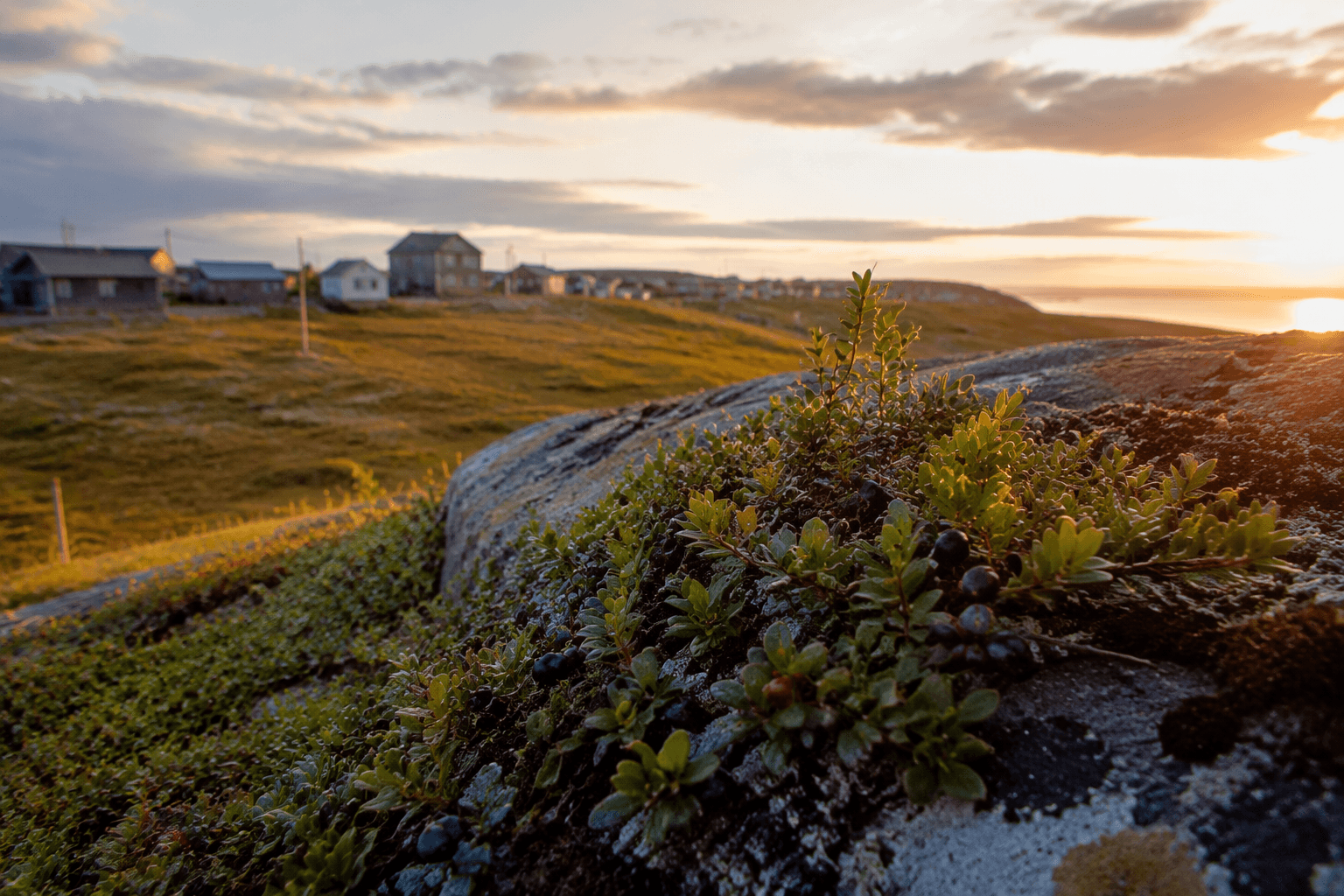
Plants are part of subsistence, not a side topic
The borough’s Department of Wildlife Management says plants are an important subsistence resource for residents across the North Slope. Its subsistence framework is broad: the borough’s 2019 to 2039 Subsistence Comprehensive Plan defines subsistence as wild resources, including animals, fish and plants, being harvested, processed, shared and consumed in an economy and way of life known as subsistence.
That definition gives plant knowledge a clear place in everyday life. It is about access to food, yes, but also about the skills needed to recognize a plant correctly, to know which plants are used locally and to understand which ones are part of traditional use even if they are not always eaten. The borough’s own plant page is built around that distinction, noting that it covers common plants found on the North Slope, including plants not used for subsistence.
Start with the names on the page
The most useful way to read the borough’s plant guide is by comparing the three kinds of names it provides: common, scientific and Iñupiaq. That naming structure is more than a convenience. It helps connect the plant in front of you to local language and to the wider botanical record, which is especially important in an environment where a short growing season leaves little room for guesswork.
The borough also keeps related resources for the same purpose, including a list of plants, a list of plants by photograph and plant identification resources. Those tools make the guide practical in the field. A photo can help match leaf shape or growth habit; a name can help confirm what elders, hunters or teachers are calling the same plant; and the scientific name can reduce confusion when a plant is known by more than one local term.
For anyone learning what to use now, that matters as much as the plant itself. In a tundra landscape, the safest habit is to identify first and gather second. The borough’s own format pushes readers in that direction by making naming and visual comparison the starting point.
Local plant knowledge reaches beyond food
North Slope plant knowledge is not limited to the edible category. A University of Alaska Fairbanks Project Jukebox document on ethnobotany, ethnomedicine and traditional healing includes Iñupiaq references to sourdock, stinkweed, berries and wood, along with plant names, descriptions, pictures and traditional uses. That kind of documentation shows how plant knowledge stretches across food, medicine and material use.
It also shows why the borough’s naming system is so important. A plant may be gathered for one purpose in one household and understood differently in another, and some of the most useful species are not the ones a visitor would notice first. A berry patch is obvious. Sourdock or stinkweed can be easy to overlook unless someone already knows what to look for, where it grows and how it has been used locally.
The National Park Service also treats subsistence plant harvesting as a recognized practice, which reinforces what North Slope residents already know: gathering plants is part of an established way of life, not a novelty. In a region where food security depends on close attention to land and season, the difference between a casual walk and a harvest can be the difference between observation and provision.
Language keeps the knowledge alive
The North Slope Borough’s Department of Iñupiat History, Language & Culture says it is dedicated to documenting, preserving and promoting Iñupiat history, language and traditions across the North Slope Region. The Iñupiat Heritage Center says it brings people together to promote and perpetuate Iñupiat history, language and culture, and its educational materials note that people on the North Slope continue to live well there while using different tools from those of long ago.
That is the broader cultural frame for the plant guide. A plant name is not just a label for identification. It is a piece of inherited knowledge that ties place to language and language to use. When the borough puts Iñupiaq names next to common and scientific ones, it is showing that local language remains part of how the land is read today.
How the borough teaches plant knowledge
The Wildlife Management Department says its mission is to ensure the sustainable harvest and health of fish and wildlife populations through a blend of scientific research, Indigenous knowledge and community leadership. It also conducts research on subsistence resources, including their biology, natural history and subsistence use. That mix is important because plant knowledge on the North Slope depends on both observation and tradition.
The department’s education page says it offers classroom visits and field trips, and that it usually sends a biologist and a subsistence hunter together to talk about subsistence resources and the Arctic. That pairing tells you how the borough wants plant knowledge taught: with science, local experience and lived subsistence practice in the same room.
For households, that approach has a direct payoff. It gives children and adults a way to recognize plants more confidently, to ask better questions in the field and to understand why a plant matters even if it is not on a store shelf. In a place where food access, cultural continuity and seasonal timing are all linked, that kind of instruction is part of everyday resilience.
What to do in the field
The borough’s materials point to a simple method for learning safely and responsibly:
- Compare the common, scientific and Iñupiaq names before using any plant.
- Use the borough’s photo-based plant tools when a leaf, berry or stem is unfamiliar.
- Remember that some plants are included because they are part of local knowledge, not because they are always eaten.
- Treat each patch as specific to place and season, especially when plant growth looks different from one village area to another.
- Look for guidance that connects identification with traditional use, not just appearance.
That approach keeps the focus where it belongs: on correct identification, local language and the practical role plants play in subsistence life from Utqiagvik to the smaller villages. On the North Slope, knowing a plant well is still one of the most useful forms of food knowledge there is.
This article was produced by Prism’s automated news system from verified source data, official records, and press releases, then run through automated quality and moderation checks before publishing. The system is built and supervised by the people who set the standards it runs under. Read our full AI policy.
Did this article answer your question?