Atqasuk report outlines climate health strategies for Arctic village
Atqasuk’s climate-health plan ties thawing ground and river change to community safety, with local leaders and tribal health staff shaping the response.
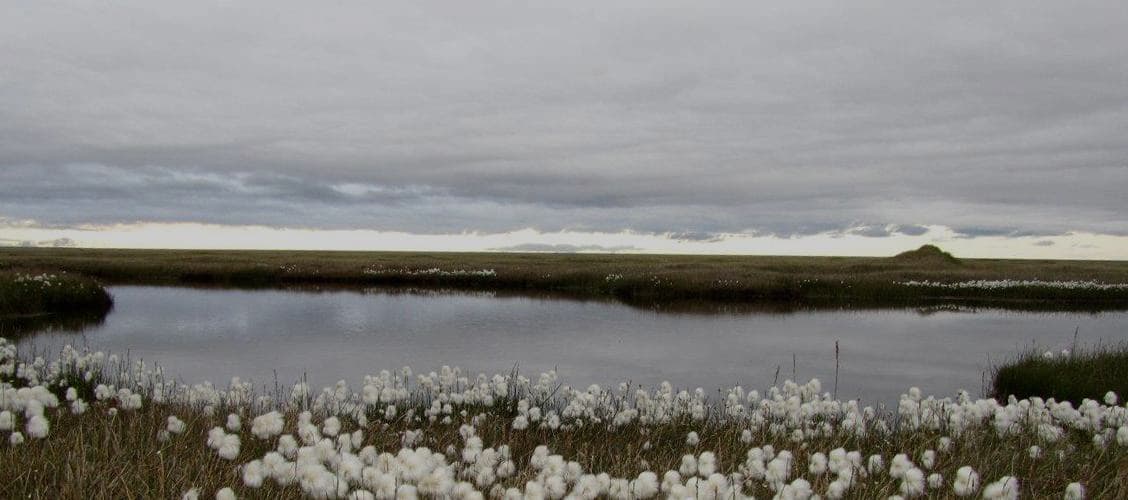
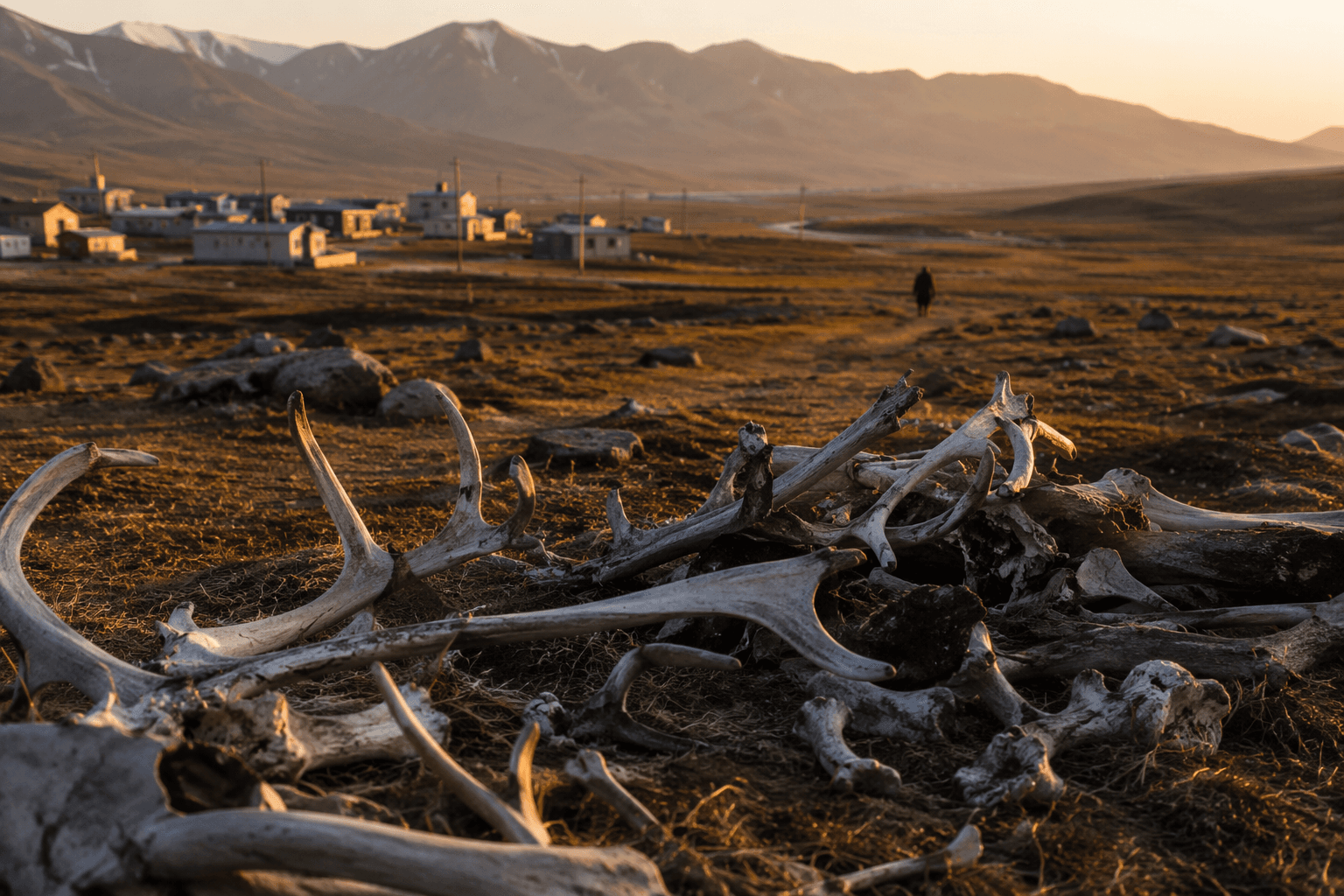
Atqasuk sits inland from the Arctic Ocean on the Meade River, about 60 miles southwest of Utqiavvik, and that geography now sits at the center of its public-health planning. A 2014 Alaska Native Tribal Health Consortium report, Climate Change in Atqasuk, Alaska: Strategies for Community Health, treats climate change as a health issue for a small North Slope village where every infrastructure decision carries outsized weight. In a community that counted 276 residents in the 2020 census, up from 233 in 2010, every infrastructure decision carries outsized weight.
Why Atqasuk matters as a climate-health case
Atqasuk has long been established as a hunting and fishing ground, which makes the village’s inland setting more than a map detail. It is a community shaped by the Meade River, by subsistence access, and by the realities of living far from the coast that dominates many outside images of the North Slope. That inland position matters because river conditions, thawing ground, and seasonal shifts affect how people travel, gather food, and keep daily services working.
The report responds to residents who reported changes in weather, seasons, landscape, plants, wildlife, and infrastructure, with clear public-health implications. Atqasuk is a river community vulnerable to thawing permafrost. In a place this small, those changes shape whether homes stay sound, routes remain usable, and local systems keep functioning.
What the 2014 report captured
The report, dated July 31, 2014 in the search result, was prepared by Michael Brubaker, Jake Bell, Heather Dingman, Molly Ahkivgak, Doug Whiteman, and Richard Drake, with Rich Design also credited. These kinds of reports draw on observations, data, and traditional ecological knowledge provided by local partners.
The same report appears in the Tribal Climate Adaptation Guidebook as a tribal climate adaptation example.
The institutions that have to carry the response
The report credits North Slope Borough Health Department staff member Molly Ahkivgak and City of Atqasuk representative Doug Whiteman. Public health and municipal leadership were both part of the effort from the start. ANTHC’s role, alongside those local partners, reflects how Arctic health planning often depends on coordination across tribal, borough, and municipal lines.
Meade River School is the village’s PreK-12 school, and in a community of 276 people it is one of the clearest markers of whether daily life is holding together. When weather patterns shift, travel gets harder, or infrastructure shows stress, the school is one of the first institutions where families feel the effects.
North Slope Borough climate-and-health reports do not treat climate as a separate topic from health. They are built from local observations, hard data, and traditional ecological knowledge.
What families and officials are deciding now
The most urgent decisions in Atqasuk are practical ones. If thawing permafrost is weakening the ground beneath a river community, local leaders have to think about how that affects drinking water systems, sanitation, housing safety, emergency access, and the strain on everyday infrastructure. Those are the kinds of issues that become health issues fast in a small village, especially when there are few spare systems to absorb a failure.
The same is true for travel and medical response. A community-health strategy in Atqasuk has to assume that weather and surface conditions can affect how reliably people move, how quickly help arrives, and how safely residents can get where they need to go. In a place this far from major services, support is not just a matter of written plans; it is a matter of whether maintenance, repair, and coordination arrive before a problem becomes a crisis.
Mental stress also belongs in the picture. When residents see changes in weather, seasons, wildlife, and the landscape they depend on, the pressure is not only physical. It also comes from uncertainty about what will be safe next month, what routes will still work, and how much the village can count on its existing systems.
Why the risk is more urgent for a small inland village
Atqasuk remains a very small community, which means adaptation choices have to be efficient and locally grounded. There is little room for failure in water, housing, transport, or health services. Small communities depend on close coordination between local knowledge and institutional support.
This article was produced by Prism’s automated news system from verified source data, official records, and press releases, then run through automated quality and moderation checks before publishing. The system is built and supervised by the people who set the standards it runs under. Read our full AI policy.
Did this article answer your question?