Iñupiat Heritage Center keeps traditional sewing alive in Utqiagvik
At the Iñupiat Heritage Center, sewing workshops keep qatiġinisi, whaling, and hunting skills moving from elders to younger hands.
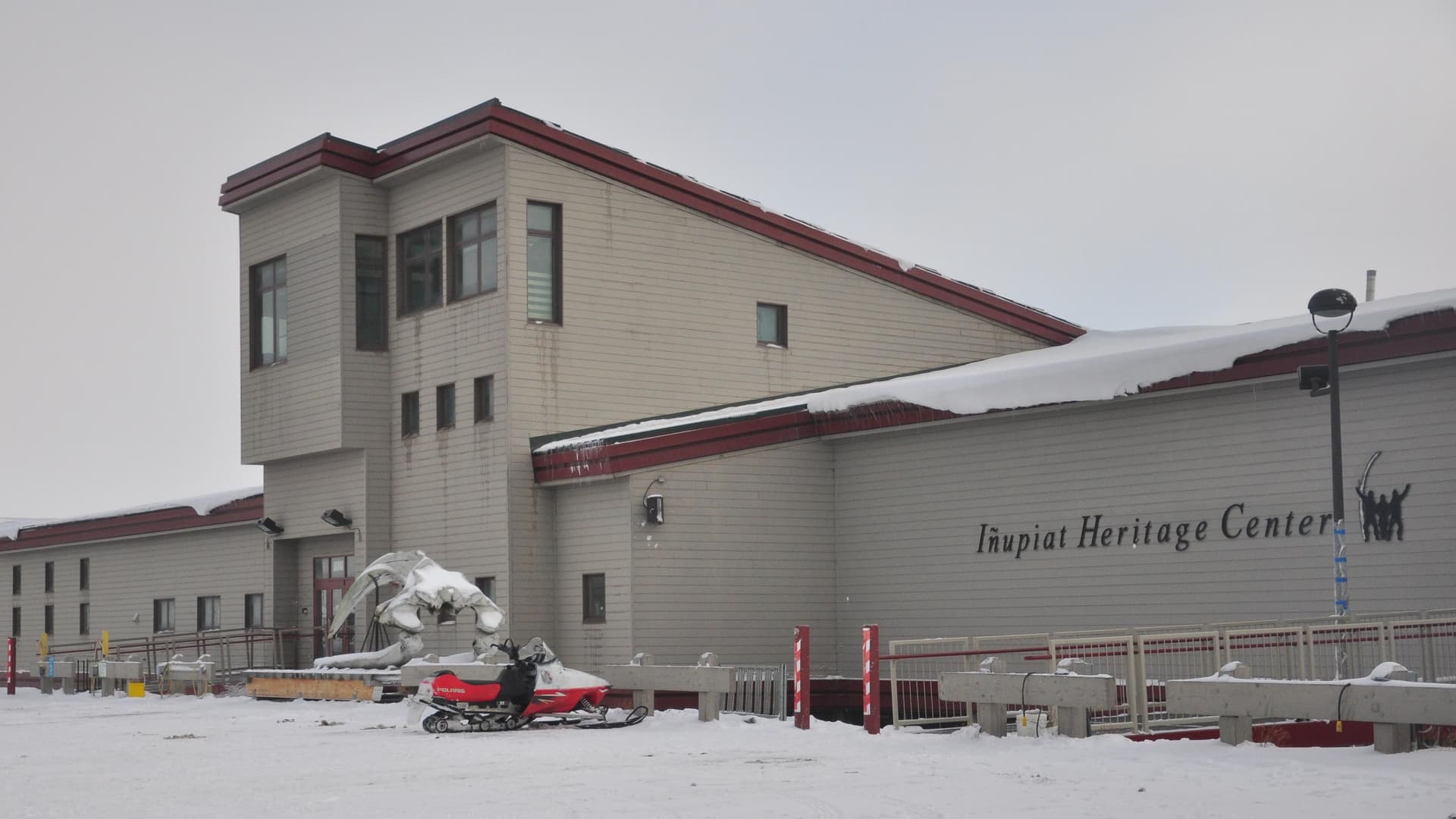
The Iñupiat Heritage Center in Utqiagvik is not built to sit still. In the borough’s telling, it is a place where sewing, language, subsistence knowledge and the work of local artists stay active in the same rooms where visitors learn about Iñupiat history and culture. The clearest example is the center’s traditional sewing program, which has hosted workshops for community members to make their own qatiġinisi for whaling and hunting.
A working cultural center, not a display hall
The North Slope Borough says the Iñupiat Heritage Center brings people together to promote and perpetuate Iñupiat history, language and culture across Utqiagvik and the villages that make up the borough. That mission is rooted in daily life, not just in preservation for its own sake. The borough also says the relationship between the Iñupiat and their environment fosters awareness, understanding and appreciation of the Iñupiat way of life from generation to generation.
That framing matters in a place where a museum can do more than house objects. The National Park Service describes the center as a place for learning, sharing, remembering and passing on Iñupiat traditions, and its visitor guide says the Traditional Room is the vibrant center of a living culture facility. In other words, the building is designed to keep practices moving, not to freeze them behind glass.
Why sewing belongs in the subsistence story
Traditional sewing at the Heritage Center is tied directly to whaling and hunting, which gives it a different weight from a standard craft class. The borough says the center hosted workshops for community members to make their own qatiġinisi for whaling and hunting, a detail that places the work inside the practical demands of Arctic life. Clothing and gear are not ornamental in North Slope communities; they are part of staying ready for the field, the sea ice and severe cold.
That is why preserving the hands-on practice matters. A display case can show how an item looks, but it cannot replace the skill of making, fitting and using it in real conditions. The borough’s educational materials also connect traditional clothing to curriculum and subsistence-related learning, which means the sewing table reaches beyond the museum floor and into the next generation’s understanding of how Iñupiat life is lived.
Where artists teach, and where the public learns
The center’s traditional arts work expands that same idea. The borough says the Iñupiat Heritage Center supports local artists by giving them a space to work and a place for the public to connect with them. It also hosts workshops where participants can learn traditional techniques from those artists, which keeps knowledge in the hands of people who make it part of everyday community life.
The borough’s sewing page says the center offers a number of traditional sewing workshops for communities and hosts sewing gatherings at the center. That is a meaningful distinction from an exhibit-only model: people do not just look at finished pieces, they sit in a room where technique is demonstrated, repeated and adjusted by people who know the work. In a small Arctic community, that kind of teaching space helps keep local self-reliance tied to cultural continuity.
Subsistence, whaling and the North Slope context
The Iñupiat Heritage Center sits inside the borough’s Department of Iñupiat History, Language and Culture, and the department’s subsistence program shows how tightly those pieces fit together. The borough says IHLC actively participates in and documents subsistence activities in North Slope communities, including subsistence-related workshops and outreach projects focused on education and on perpetuating and preserving the Iñupiaq subsistence lifestyle and culture.
That larger context also includes whaling, which remains central to community life and policy on the North Slope. A National Park Service brochure identifies the Heritage Center as one of the places that interpret the North Slope Inupiat Whaling Complex, and a Park Archives page quotes whaling captain and cultural anthropologist Herbert O. Anungazuk: “Whaling is our keepsake, given to us by our ancestors; it is our birthright and our destiny.” The borough’s bowhead whale subsistence harvest research page says that research has been ongoing since the early 1980s, underscoring how enduring that tradition remains.
The people and the place behind the program
The center’s day-to-day work is anchored at 5421 N Star St. in Utqiagvik. The National Park Service visitor guide lists regular hours as Monday through Friday from 8:30 a.m. to 5:00 p.m., with a noon to 1 p.m. closure, and Saturday hours from 2:00 p.m. to 4:00 p.m. only from May 15 to September 15. The center is closed on Thanksgiving, Christmas and New Year’s Day.
The borough’s contacts page lists Thomas Leavitt as IHLC director, Mabel Kaleak as deputy director, April Brooks as division manager and Laura Henry as gift shop manager. The IHLC Commission page names Della Ivanoff of Atqasuk, Chastity Olemaun of Utqiagvik and Tenna Pili of Utqiagvik among its current members, showing that the center’s public role is tied to local governance as well as programming.
The Heritage Center’s collections in archaeology, art, ethnology, historical photography and oral history give visitors the archive side of the story. The sewing workshops, the Traditional Room and the artist gatherings give it the working side. Together they show why the center matters in Utqiagvik right now: it keeps cultural knowledge usable, visible and taught by hand, which is exactly how it survives.
This article was produced by Prism’s automated news system from verified source data, official records, and press releases, then run through automated quality and moderation checks before publishing. The system is built and supervised by the people who set the standards it runs under. Read our full AI policy.
Did this article answer your question?