Iñupiat Heritage Center keeps Utqiagvik culture alive in North Slope Borough
Utqiagvik’s Iñupiat Heritage Center is both museum and guidebook: it explains whaling, language, crafts, and daily life in the North Slope Borough.

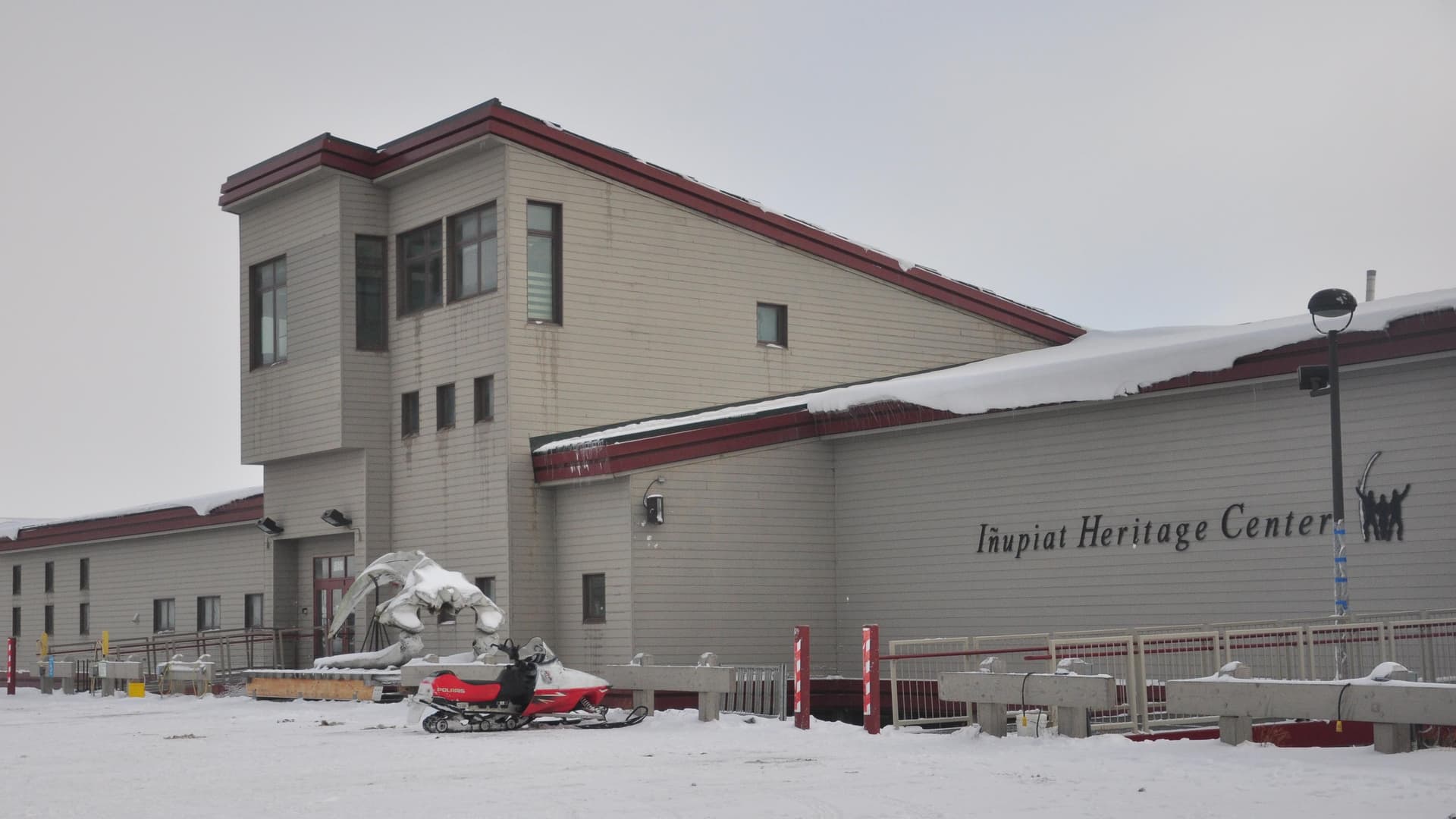
The Iñupiat Heritage Center is the fastest way to make sense of Utqiagvik. It is not just a display space for visitors passing through the northernmost community in the United States; it is a working cultural institution owned and managed by the North Slope Borough on behalf of the whaling villages of the North Slope.
A practical first stop in Utqiagvik
The center sits in the economic, transportation, and administrative heart of the borough, which gives it a role that goes beyond tourism. For a newcomer, visiting worker, teacher, or family, the value is immediate: the center explains the names, practices, and priorities that shape everyday life in northern Alaska. It is also a National Park Service Affiliated Area, a designation that places it within a wider network of nationally recognized places while keeping local control in borough hands.
That local control matters. The borough dedicated the Iñupiat Heritage Center in February 1999, and since then it has functioned as a public doorway into Iñupiat life rather than a sealed archive. The National Park Service says the center preserves the language and knowledge of the Iñupiat people and promotes the collection, preservation, and exhibition of materials tied to traditional culture and history.
What you can actually do inside
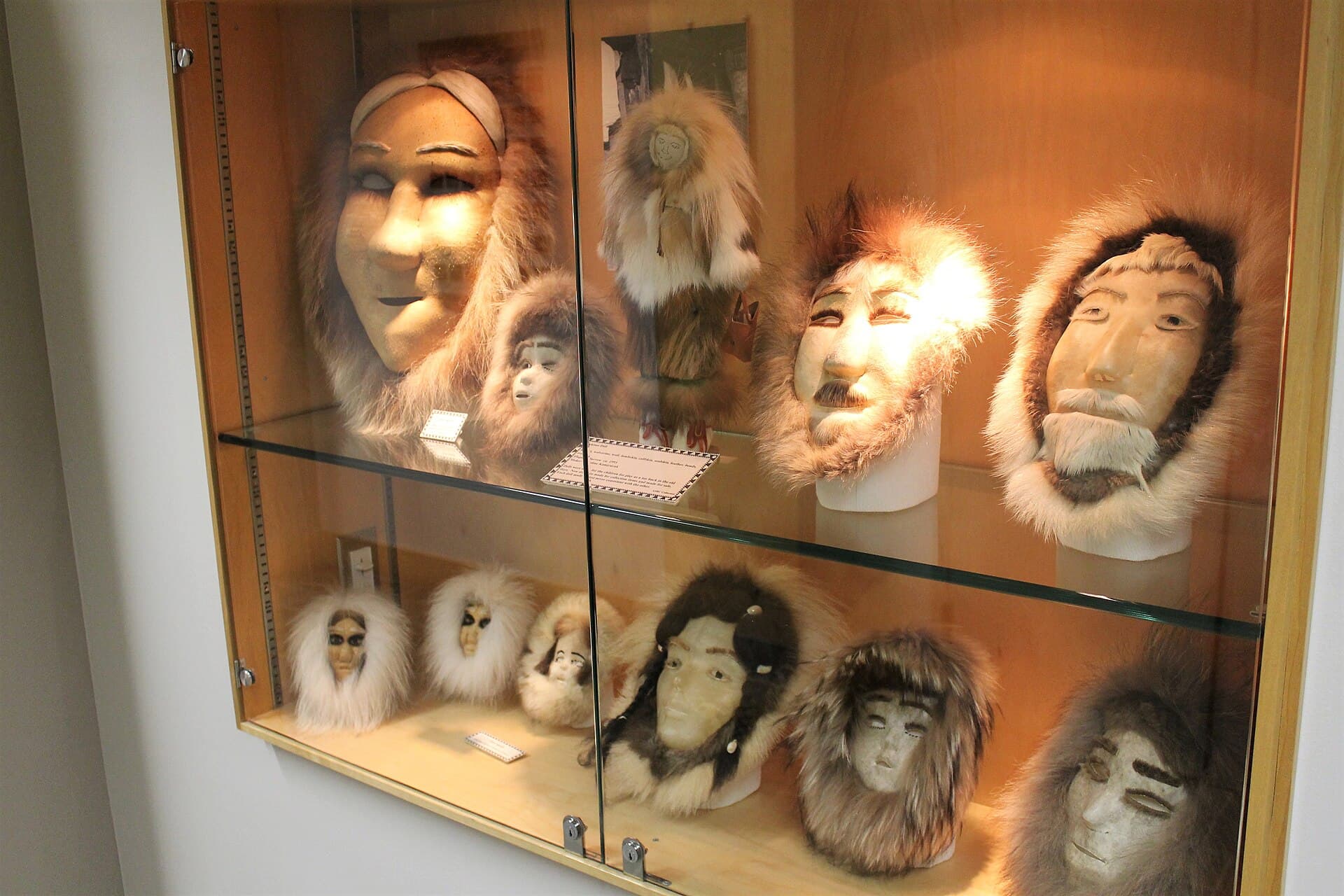
The building is designed for use, not just viewing. It houses exhibits, artifact collections, a library, a gift shop, and a traditional room where crafts are demonstrated and taught. That combination gives visitors more than a quick walkthrough. It offers the kind of orientation that helps explain what people see outside the front door, from subsistence gear to the rhythms of a whaling community.
The traditional room is especially important because it turns cultural knowledge into something active. Visitors can watch traditional crafts being demonstrated and taught, which makes the center useful for students and teachers who want more than a textbook account of Iñupiat culture. The library adds another layer, giving the center a research and learning function that supports serious study as well as casual visits.
Family programs make that access easier. The center’s Junior Ranger booklet and cultural orientation materials are designed to introduce language and traditions in a way that younger visitors can absorb. For households passing through town, or for school groups trying to ground a lesson in a real place, that makes the center a practical entry point into the borough’s identity.
Why whaling is central to the story
The Heritage Center is useful because it connects culture to daily survival. The National Park Service says Iñupiat and Yupik people in northern Alaska and the Bering Strait had been whaling for a thousand years before Yankee whalers arrived in the late 19th century. It also notes that more than 2,000 commercial whaling voyages sailed from New Bedford, Massachusetts, into Arctic waters.
Those facts matter because they show that the center is not telling a frozen story from the past. It helps explain a long transition from Indigenous whaling to the pressure of commercial whaling and then to today’s subsistence practices. Alaska Native people continue to practice subsistence whaling, and in Utqiagvik that means the center helps visitors understand food security, seasonal work, and community obligation all at once.
For anyone trying to read the borough correctly, that is the key lesson. Whaling is not only ceremonial or historical here. It is part of how knowledge moves across generations, how food reaches households, and how the community organizes around the seasons. The Heritage Center makes that easier to grasp than a generic cultural profile ever could.
Living culture, not a static display
The center’s programming reinforces that it is a living institution. The National Park Service says it includes Elders-in-Residence and Artists-in-Residence activities, which keeps knowledge in active circulation. Elders bring language, memory, and interpretation that cannot be replaced by labels on a wall, while artists keep craft traditions visible and teachable.
That living structure is one reason the center works so well as a guide for outsiders. A visiting teacher can learn how to frame lessons about Arctic life without flattening local traditions into stereotypes. A worker arriving for a short assignment can understand why certain practices matter in community life. A tourist can leave with a clearer sense that Utqiagvik is not just remote, but rooted in a long and continuing system of knowledge.
The center also sits within a broader institutional landscape that shapes North Slope life. The borough reported $303.9 million in actual fiscal 2024-2025 operating expenditures and a $376.3 million fiscal 2025-2026 operating budget, a reminder that public institutions carry real weight in a region where distance, climate, and community size make local governance central to daily life. In that setting, a borough-run cultural center is not ornamental. It is part of the civic infrastructure.
Why it belongs on every first visit list
What makes the Iñupiat Heritage Center especially useful is the way it ties place to practice. It is in Utqiagvik, the borough’s center of government and transport, but its reach goes well beyond town limits because it is owned for the whaling villages of the North Slope. That means the center reflects not only one building in one city, but a network of communities that share language, subsistence knowledge, and cultural authority.
For anyone trying to understand the North Slope Borough day to day, the center offers the fastest route in. It explains why whaling still matters, how crafts are taught, where language is protected, and how the borough presents itself to the world. In a place where distance can make everything seem abstract, the Iñupiat Heritage Center turns North Slope culture into something practical, visible, and current.
This article was produced by Prism’s automated news system from verified source data, official records, and press releases, then run through automated quality and moderation checks before publishing. The system is built and supervised by the people who set the standards it runs under. Read our full AI policy.
Did this article answer your question?