Late ice delays Utqiagvik's spring bowhead whaling season
Late sea ice held Utqiagvik’s whaling crews to one whale until last weekend, stretching the wait for muktuk and delaying a season that usually has 10 or more by late May.

Utqiagvik’s spring bowhead crews waited longer than usual for a safe opening, and the delay rippled into household freezers, meal plans and the transfer of whaling knowledge on the North Slope. The city did not land its first whale of the 2026 spring season until last weekend, leaving many families eager for muktuk after a long winter and a slow spring.
For Alaska’s largest subsistence whaling community, that kind of wait changes more than the harvest schedule. Chucky Panitchaiq Hopson II said that by this point in a normal season Utqiagvik has typically landed 10 or more whales, a pace that helps fill homes and keeps sharing networks moving across town. Instead, crews spent extra days watching the ice, coordinating with one another and waiting for a brief opening before boats could move safely.

The delay also underscored how dependent Utqiagvik remains on sea ice that can change quickly from year to year. Herman Ahsoak said the last time the town landed a whale this late was in 2013, when it got “pretty close to June.” That comparison lands hard in a community where the spring hunt is not symbolic but practical: bowhead harvests meet nutritional, subsistence and cultural needs, according to the North Slope Borough.
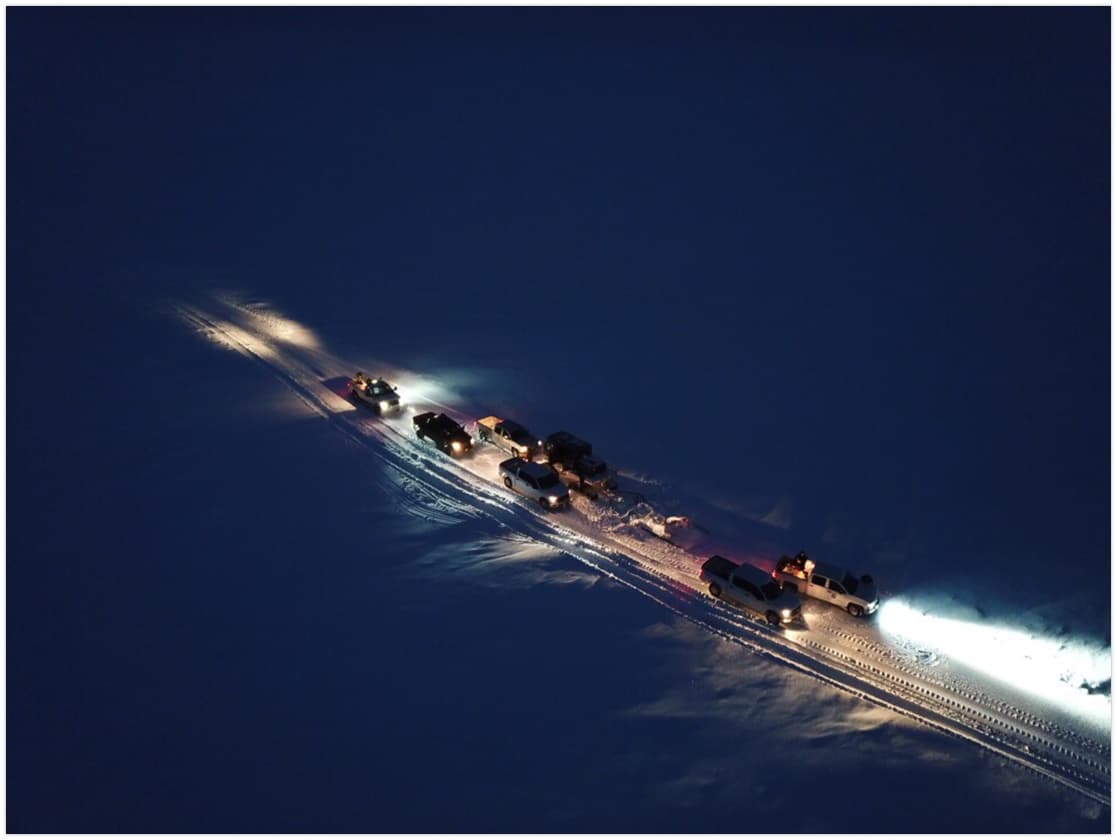
Utqiagvik’s whaling season is one of two annual hunts in the community. Fall hunting generally takes place from open water, while spring crews rely on shorefast ice to reach the lead edge where bowheads migrate. Those ice trails are not improvised at the last minute. The Alaska Arctic Observatory & Knowledge Hub says whalers, scientists and local organizations have worked together since 2007 to map and survey the community’s spring whaling sea ice, a collaboration meant to help crews travel more safely across a changing coast.
Scientists have documented why that effort matters. NOAA says the satellite record for sea-ice extent stretches back 47 years to 1979, and the last 20 years have been marked by lower extent and younger, thinner ice. As shorefast ice becomes less predictable, crews in Utqiagvik are left with more uncertainty over when the lead will open and how long a safe trail will hold.
The broader system around the hunt still carries weight beyond the harbor. The Bering-Chukchi-Beaufort bowhead stock continues to grow, and NOAA’s bowhead whale stock assessment notes that the International Whaling Commission set a block quota of 306 landed bowheads for 2013-2018. In Utqiagvik, though, the immediate story is simpler and more local: a late start has kept whale meat from being shared as widely as usual, and the community is still waiting for the season to move from watching ice to hauling boats.
This article was produced by Prism’s automated news system from verified source data, official records, and press releases, then run through automated quality and moderation checks before publishing. The system is built and supervised by the people who set the standards it runs under. Read our full AI policy.
Did this article answer your question?