North Slope Borough Visitors page highlights Iñupiat homeland and villages
The borough’s visitor page is a field guide to an Iñupiat homeland, with eight villages, remote travel realities and Utqiagvik at the center.
The North Slope Borough’s visitor page reads less like a welcome mat than a practical primer for arriving in Arctic Alaska. It makes one point immediately clear: this is an Iñupiat homeland, not a road town with a nearby metropolitan backup, and anyone coming here needs to understand the weather, the travel logistics and the culture that shape daily life.
An Iñupiat homeland first, a borough second
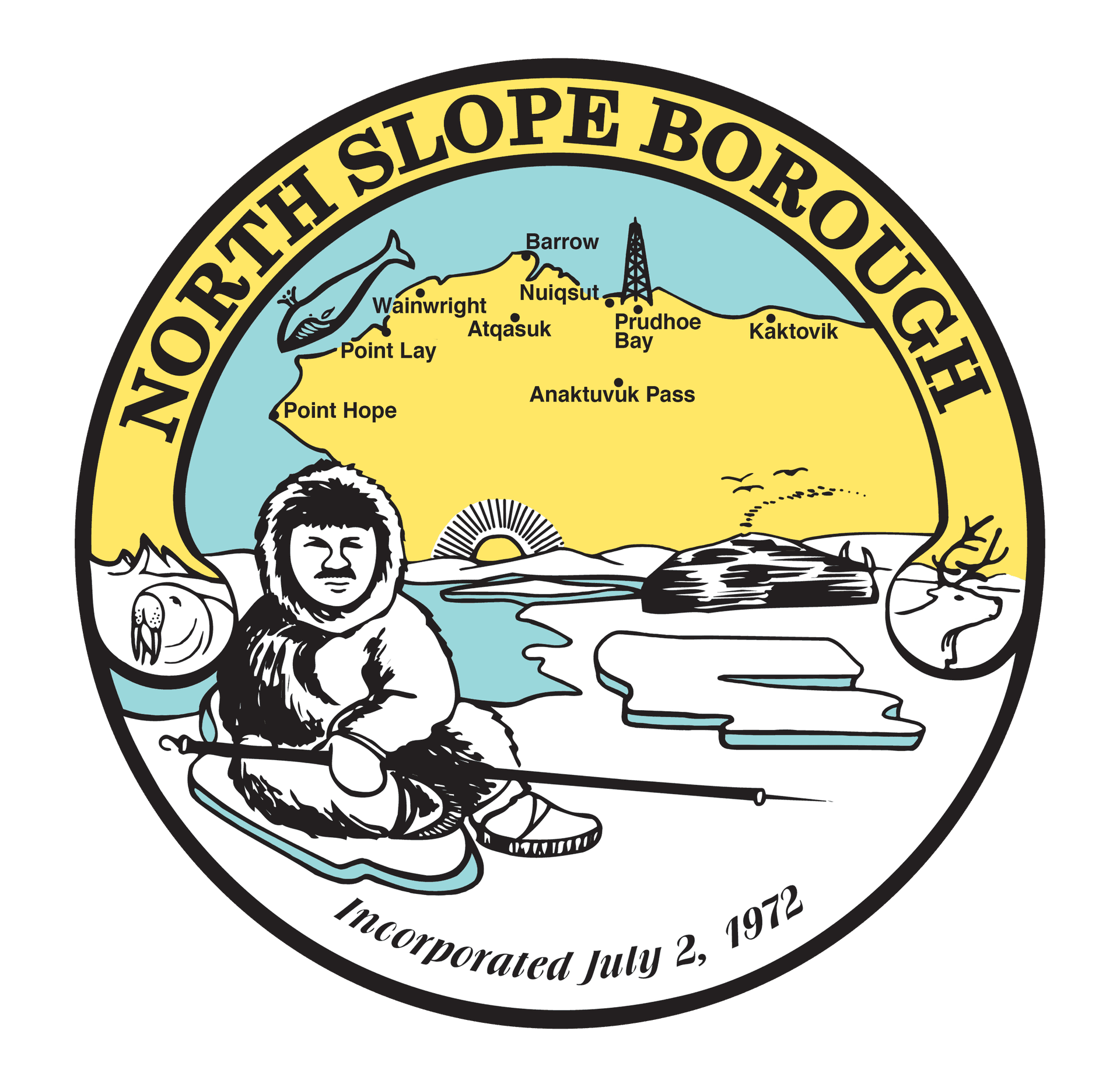
The borough’s own visitor materials say the majority of residents are Iñupiat and that people live in eight villages, with populations ranging from 250 to 4,429. That range matters because it shows the North Slope as a set of communities with very different scales, but a shared identity and governance structure. The same visitor page says there were 9,503 residents in 2011, while recent Census-linked figures put the borough at about 10,600 in 2025.
Utqiagvik sits at the center of that system. Borough materials describe it as the economic, transportation and administrative center for the North Slope Borough, and a 2020 Census-era figure for the city lists a population of 4,927. For anyone arriving for work, school, medical care or a short visit, that makes Utqiagvik the main point of entry, even though it is only one part of a much larger Arctic region.
Distance is not a side note here
The North Slope Borough covers 88,817.1 square miles, according to the Alaska Office of History and Archaeology, and the state’s Certified Local Government listing identifies it as a non-unified home rule borough. Those facts explain why the visitor page has to talk about more than places to see. In a borough that large, access to services, emergency response and routine travel are tied to weather, aviation and seasonal routes.
The practical reality is that the North Slope is not a typical road-connected destination. Communities are linked by aircraft, winter routes and marine access, so flight delays, sea ice conditions and storms can alter plans quickly. That affects residents every day, but it also shapes what contractors, new arrivals and short-term visitors need to carry, schedule and respect before they step off a plane.
What outsiders need to understand before arriving
The visitor page gives outsiders a concise lesson in local geography and social life: the borough is a living community built around family networks, hunting, whaling and subsistence practices that continue alongside modern infrastructure. That is not cultural decoration. It is the framework that ties villages together and helps explain why local knowledge carries so much weight in decisions about travel, safety and daily routines.
For people coming north, that means reading the region on its own terms. A schedule that works in Anchorage or Fairbanks may not survive Arctic wind, changing visibility or marine conditions, and a place that looks remote on a map is home to people who have maintained their traditions through major change, including the arrival of outsiders and outside industries. The borough’s visitor page is useful because it puts those realities in front of the reader before a trip begins.
A government shaped by history
The borough’s modern identity is rooted in the Alaska Native Claims Settlement Act of 1971 and the borough’s official founding in 1972. Those milestones reshaped land ownership and Native regional governance across Alaska, and the North Slope’s public materials still reflect that history in the way they emphasize local control, culture and self-determination.
That emphasis is visible in the borough’s Inupiat History, Language and Culture Commission, which was certified on April 20, 1987. The borough’s home page says it works with tribes, cities, corporations, schools and businesses to support a strong culture, and it describes itself as the “farthest north municipal government.” Together, those details show a government that is not only administering services, but also trying to preserve the social and cultural foundations that make the borough distinct.
Why the visitor page matters to residents, too
Although the page is framed for visitors, it works as a compact reminder for residents of how the borough presents itself to the outside world. It highlights the eight villages, the Iñupiat majority and the scale of the region, while also pointing to the practical realities that shape everyday life in Utqiagvik and beyond. For people who live here, that can be a useful check on how well outside institutions understand the place they are entering.
The strongest value of the page is that it links place, population and governance in one place. In a borough of 88,817.1 square miles, with villages that range from a few hundred residents to several thousand, the differences between a visitor’s impression and a community’s lived reality can be large. The page narrows that gap by making the North Slope’s culture, scale and logistics impossible to miss before anyone arrives.
This article was produced by Prism’s automated news system from verified source data, official records, and press releases, then run through automated quality and moderation checks before publishing. The system is built and supervised by the people who set the standards it runs under. Read our full AI policy.
Did this article answer your question?