North Slope study tracks whimbrel decline across the Arctic
A tiny shorebird is acting as a warning signal for the North Slope, where its decline may point to shrinking wetlands, changing insect food supplies, and broader habitat stress.
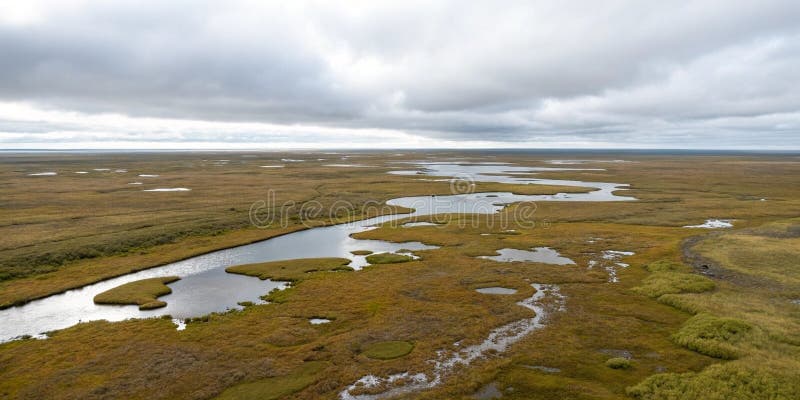
A whimbrel moving through the tundra west of Kaktovik can tell scientists far more than where one shorebird flew next. On the North Slope, Daniel Ruthrauff is using the species to read the health of coastal wetlands, insect-rich summer habitat, and the fragile landscape that supports subsistence and future development decisions.
Why the whimbrel matters on the North Slope
Whimbrels breed in Alaska’s tundra and boreal habitats during summer, then spend the winter along the coastlines of the continental United States, Central America, and South America. That long circuit makes them one of the Arctic’s most far-ranging birds, with the species’ curved bill, distinctive call, and hemispheric migration tying the North Slope to places as far away as Brazil and Australia. Ruthrauff, a researcher with the U.S. Geological Survey Alaska Science Center, is studying them in the narrow window when the birds are on local breeding grounds and the landscape is easiest to observe.
Whimbrels attempt to breed, feed, and raise young during the brief Arctic summer, which means wetland conditions here can affect whether they make it through the season and eventually survive the full migration.
What the fieldwork is trying to learn
Ruthrauff planned to attach tiny satellite transmitters to the birds so scientists can follow where individual whimbrels go, where they stop, and whether they survive the long journey. That kind of tracking is designed to identify bottlenecks, the places where a bird is most likely to lose ground, and to show which habitats matter most for protection. USGS has an active whimbrel tracking-data project, part of a broader effort to compile migration records and use them for conservation decisions.
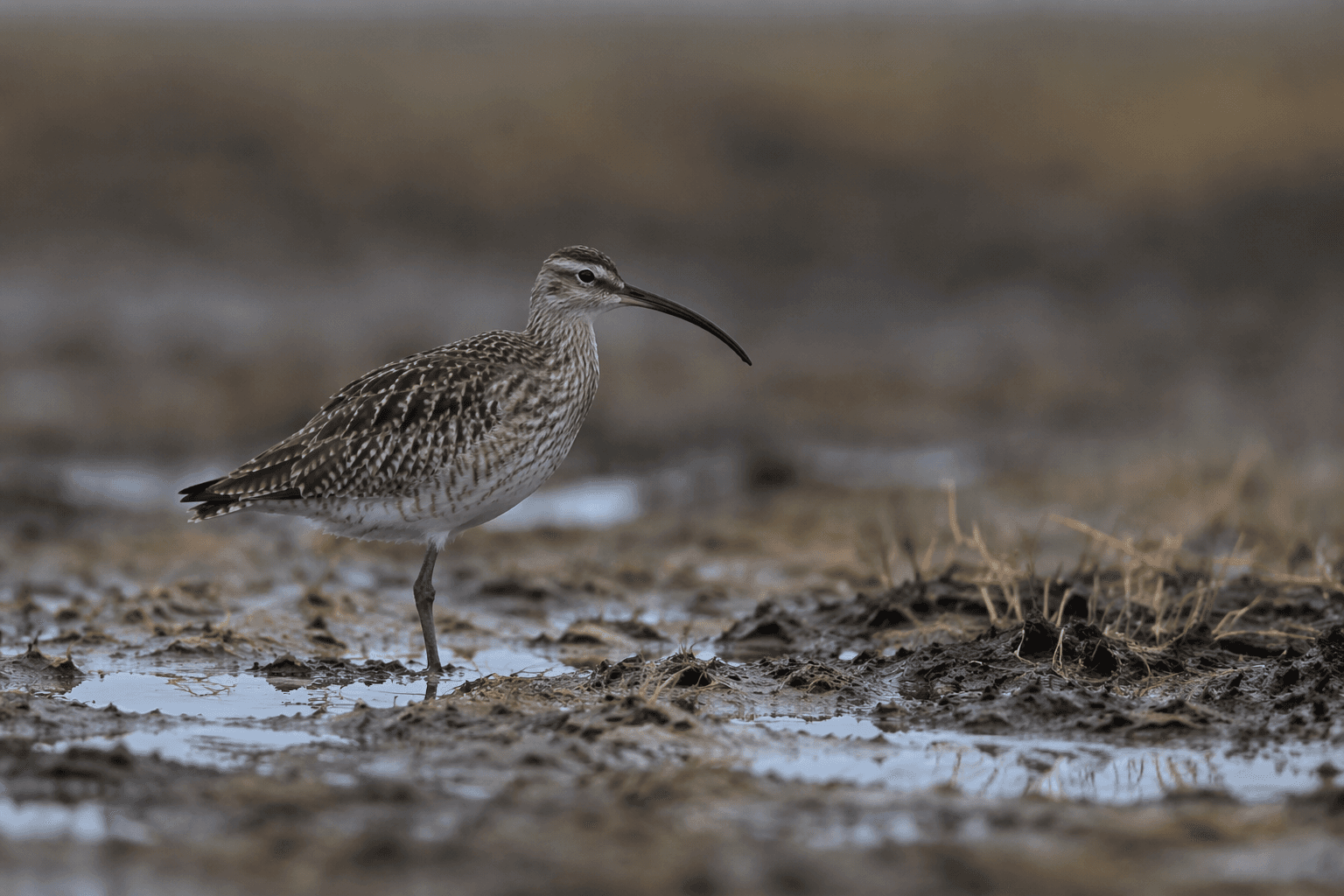
Earlier USGS work used solar-powered transmitters to document the migration of individual birds and identify habitats important to migratory shorebirds. If scientists know where birds concentrate, where they fail, and where they successfully refuel, managers can decide which stretches of coast, wetland, or tundra deserve the fastest protection. On the North Slope, that can shape how agencies think about sensitive ground near villages, haul routes, and other development pressure points.
A population that has dropped hard
North American whimbrel numbers have fallen about 70 percent over several decades. BirdLife estimates the global population at 1.8 million to 2.65 million birds and puts the North American decline at roughly 70 percent over about 22 years. Manomet Conservation Sciences says some shorebird species, including whimbrel, have declined by more than 70 percent in the last 30 years.
A 2026 U.S. Geological Survey publication found more than half of monitored North American shorebird populations have declined by over 50 percent since 1980. A 2025 State of the Birds summary found major losses across shorebirds.
For whimbrels, loss of coastal wetland habitat is one of the greatest threats. On the North Slope, wetlands are the feeding and nesting fabric that supports birds, fish, and the timing of seasonal activity across the coast.
The legacy of Shiloh Schulte
Shiloh Schulte, one of the scientists tied to this effort, died in a helicopter crash in Alaska on June 4, 2025. Ruthrauff has said he is continuing the research in part to honor that legacy, keeping the project moving in the same landscapes Schulte helped define through years of fieldwork.
Schulte had spent about 15 years tracking shorebirds in Alaska’s Arctic, including work in the central National Petroleum Reserve in Alaska and the Arctic National Wildlife Refuge. The fatal helicopter crash near Deadhorse occurred after the aircraft left Deadhorse around 10:40 a.m. A preliminary National Transportation Safety Board report cited flat light conditions and a low cloud ceiling near the accident.
What the numbers mean for local decision-making
The Atlantic Flyway Shorebird Initiative lists whimbrel as one of its three focal species and now aims to increase focal populations by 15 percent to 20 percent over 10 years. Older materials from the same initiative set a smaller goal, calling for a 10 percent increase by 2025.
For North Slope Borough residents and decision-makers, tracking can show whether breeding habitat, insect availability, and wetland conditions are holding together well enough for the birds to complete the full cycle. If declines continue, it would point to broader pressure on the Arctic system, with possible consequences for wildlife policy, subsistence-season planning, and how coastal and wetland areas are treated as development advances.
This article was produced by Prism’s automated news system from verified source data, official records, and press releases, then run through automated quality and moderation checks before publishing. The system is built and supervised by the people who set the standards it runs under. Read our full AI policy.
Did this article answer your question?