Point Hope profile highlights ancient whaling roots and borough services
Point Hope’s profile shows a village where ancient bowhead-whaling roots and everyday borough services are equally vital to survival on a storm-exposed coast.

A village built on history and hard infrastructure
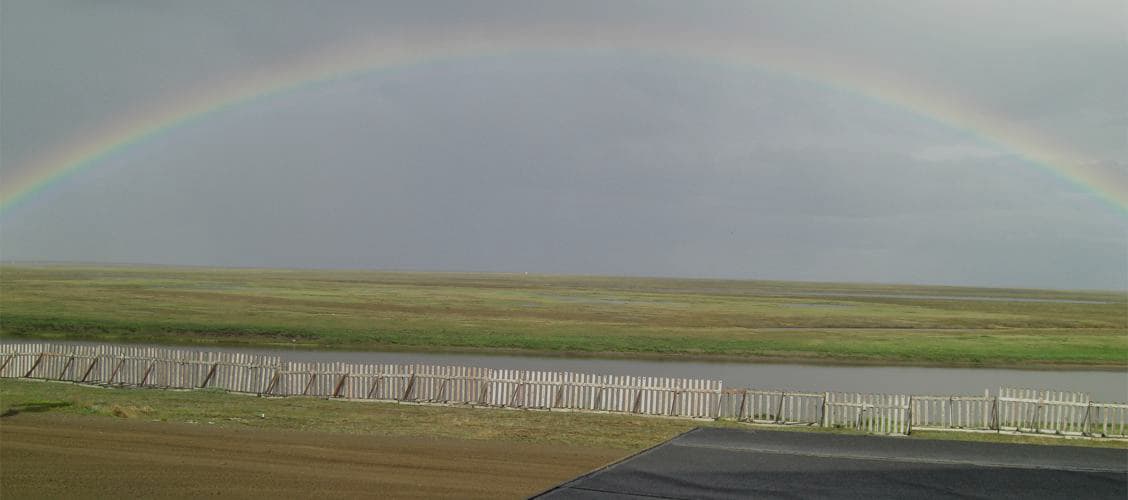
Point Hope sits near the end of a triangular spit that reaches 15 miles into the Chukchi Sea, about 248 miles southwest of Utqiaġvik. That geography is more than a map detail. It is part of why the community is counted among the longest continually inhabited places in North America, and why its story keeps folding ancient subsistence, cultural memory, and public works into the same frame.
The borough says some of the earliest residents came for bowhead whaling roughly 2,000 years ago. Regional Iñupiat and whaling sources push that history even farther back, saying the tradition in this area may go back 2,500 years. Near Point Hope, Ipiutak was inhabited around 600 BC, and the Ipiutak archaeological district is listed on the National Register of Historic Places. In Point Hope, the past is not a museum piece. It is part of the community’s daily identity, place names, and relationship to the sea.
Whaling remains a living community practice
Point Hope is one of the Alaska Eskimo Whaling Commission’s bowhead-whaling communities, and that status still shapes life in practical and emotional ways. The spring bowhead whale harvest is not just a subsistence activity. It is a gathering point for sharing, feeding the community, and reinforcing ties that stretch across households and generations.
That matters because the whaling tradition is both nutritional and social. The Alaska Eskimo Whaling Commission describes bowhead whales as a primary food source for high Arctic Alaska Native communities for more than 2,000 years, and Point Hope remains part of that network of harvest, sharing, and preparation. In a place this remote, food security and cultural continuity often move together. The whale hunt is one of the clearest examples of how heritage still functions as community infrastructure.
What keeps the village running every day
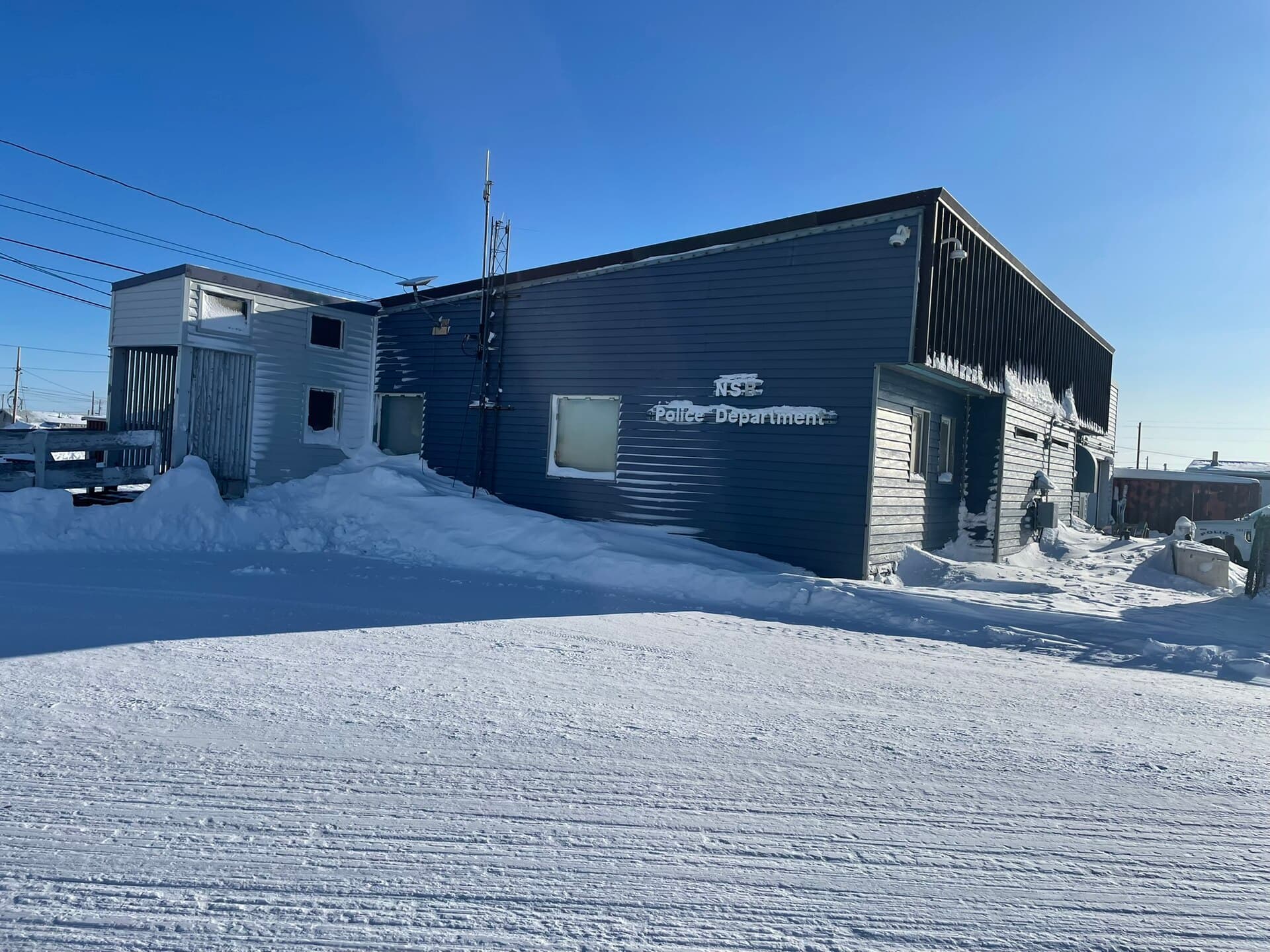
The borough’s profile makes clear that Point Hope is not operating on history alone. North Slope Borough provides the electricity, maintains the water treatment facility and sewage pumping facility, and offers trash pickup free of charge. Those are basic services, but in a remote village they are the difference between routine life and crisis.
Water and sewer work in Point Hope also connect to a broader borough system. North Slope Borough Water & Sewer is responsible for operations and maintenance of the water and wastewater treatment, piped distribution, and piped collection systems in all villages. In a community so far from major road access, that technical work is not invisible back office labor. It is the service layer that keeps homes functioning, protects public health, and helps prevent small failures from becoming large ones.
The clinic is another essential piece of daily support. Point Hope has a health clinic staffed by community health aides that is open every day and available for emergencies at all hours. For residents, that means medical care is not confined to weekday business hours, and urgent needs can be met locally even when weather or distance would make travel difficult. In a North Slope community, continuous access to basic care is not a convenience. It is a public-health safeguard.
How people and goods actually move in and out
Transportation in Point Hope is shaped by the seasons and by the sea. The state-owned paved airstrip is the village’s only year-round access, which makes aviation the constant thread holding the community to the rest of Alaska. When summer arrives, barges deliver goods, bringing in supplies that would be difficult or impossible to move any other way.
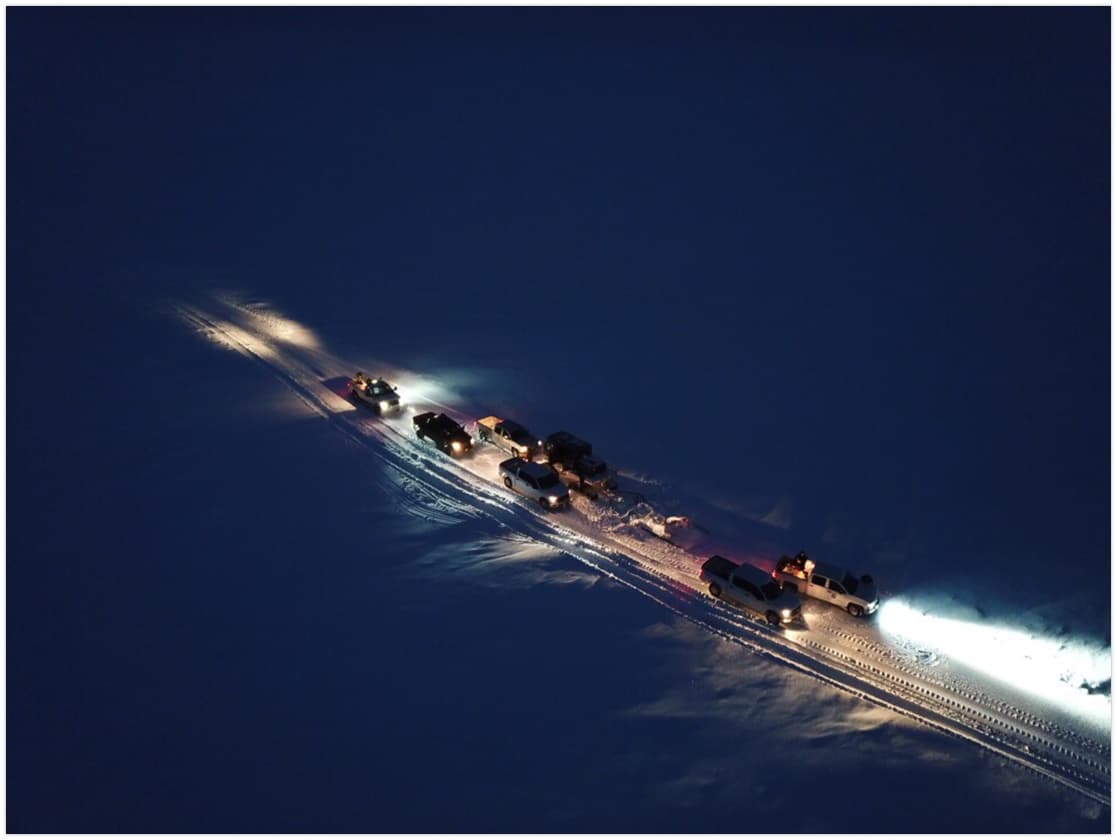
Local travel still depends on the tools of Arctic life. Skiffs, umiats, and snow machines are part of the everyday mobility system, adapting to open water, ice, and weather. That mixed transportation network shows how Point Hope works: one mode of access is never enough, so residents rely on a layered system that changes with the season. When the airstrip, sea lane, or ice route is disrupted, the whole village feels it quickly.
Flood risk, evacuation planning, and the limits of the landscape
Point Hope sits about ten feet above sea level, which leaves it vulnerable to flooding. That low elevation is one of the clearest reminders that the community’s resilience is always being tested by geography. A village built on a narrow coastal spit has little room for error when storms, sea conditions, or shoreline change press in from the outside.
Beacon Hill, at 46 feet above sea level, serves as the community’s evacuation point. That detail says a great deal about life in Point Hope. Safety planning is not abstract, and high ground is not decorative terrain. It is part of the emergency map, the place residents turn to when conditions on the coast turn dangerous.
Why Point Hope matters to the North Slope
Point Hope is significant because it holds so many responsibilities at once. It is a bowhead-whaling community, an archaeological landmark, a service center, and a place where the borough’s most basic commitments are measured in electricity, water, waste removal, clinic coverage, air access, and evacuation readiness. That combination makes the village a sharp example of how North Slope borough support shows up in ordinary life.
It also explains why changes in transportation, health access, coastal conditions, or erosion risk can ripple through Point Hope so quickly. In a community this exposed, resilience is not a slogan. It is the steady work of keeping homes powered, water systems operating, supplies moving, and emergency routes clear while cultural traditions continue to anchor the village to its past and future.
This article was produced by Prism’s automated news system from verified source data, official records, and press releases, then run through automated quality and moderation checks before publishing. The system is built and supervised by the people who set the standards it runs under. Read our full AI policy.
Did this article answer your question?