Toolik Field Station opens to public for Visitor's Day June 6
Toolik Field Station will open its labs and long-term Arctic study sites to visitors June 6, with guided tours free and lunch sold separately.
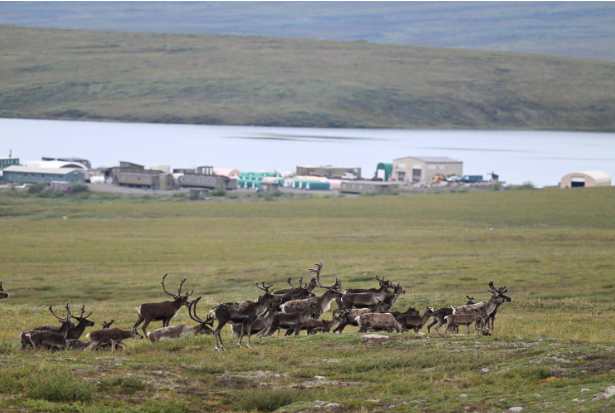
A rare public look at one of the North Slope’s most important science sites is coming to mile 284.5 of the Dalton Highway, where Toolik Field Station will open its doors Saturday, June 6, for a Visitor’s Day from 9:30 a.m. to 4 p.m. The event gives residents, travelers and anyone following Arctic research a chance to see how work at Toolik connects to the land, the weather and the long-term changes reshaping the North Slope.
Visitors will be able to meet station staff and scientists, tour Toolik facilities and long-term research sites, and move through the station with a Toolik naturalist guiding the day’s program. The University of Alaska Fairbanks describes Toolik as a leading year-round Arctic research, observation and education facility, and the station’s outreach work is built around showing how science happens in the Brooks Range foothills, not just in a classroom or office.

That matters locally because Toolik has been part of Arctic research since July 1975, when a 16-foot travel trailer was placed at the north end of Toolik Lake. In 1987, it became the Arctic tundra site of the National Science Foundation’s Long-Term Ecological Research program. Today, the Arctic Long-Term Ecological Research site centered at Toolik covers the Toolik Lake watershed and the adjacent upper Kuparuk River watershed, giving researchers a long view of ecological change across a part of Alaska where warming is rapid and the terrain is central to transport, energy and wildlife patterns.
Toolik’s mission is to deepen understanding of the Arctic while providing labs and accommodations for research and education. The station says its work spans ecology, animal physiology, space physics and atmospheric chemistry, and its science pages point to climate-change studies, including research on how Arctic river networks can act as sensors of climate change. The station also supports students and early-career researchers through education programs, internships and research awards, extending its reach beyond senior scientists.
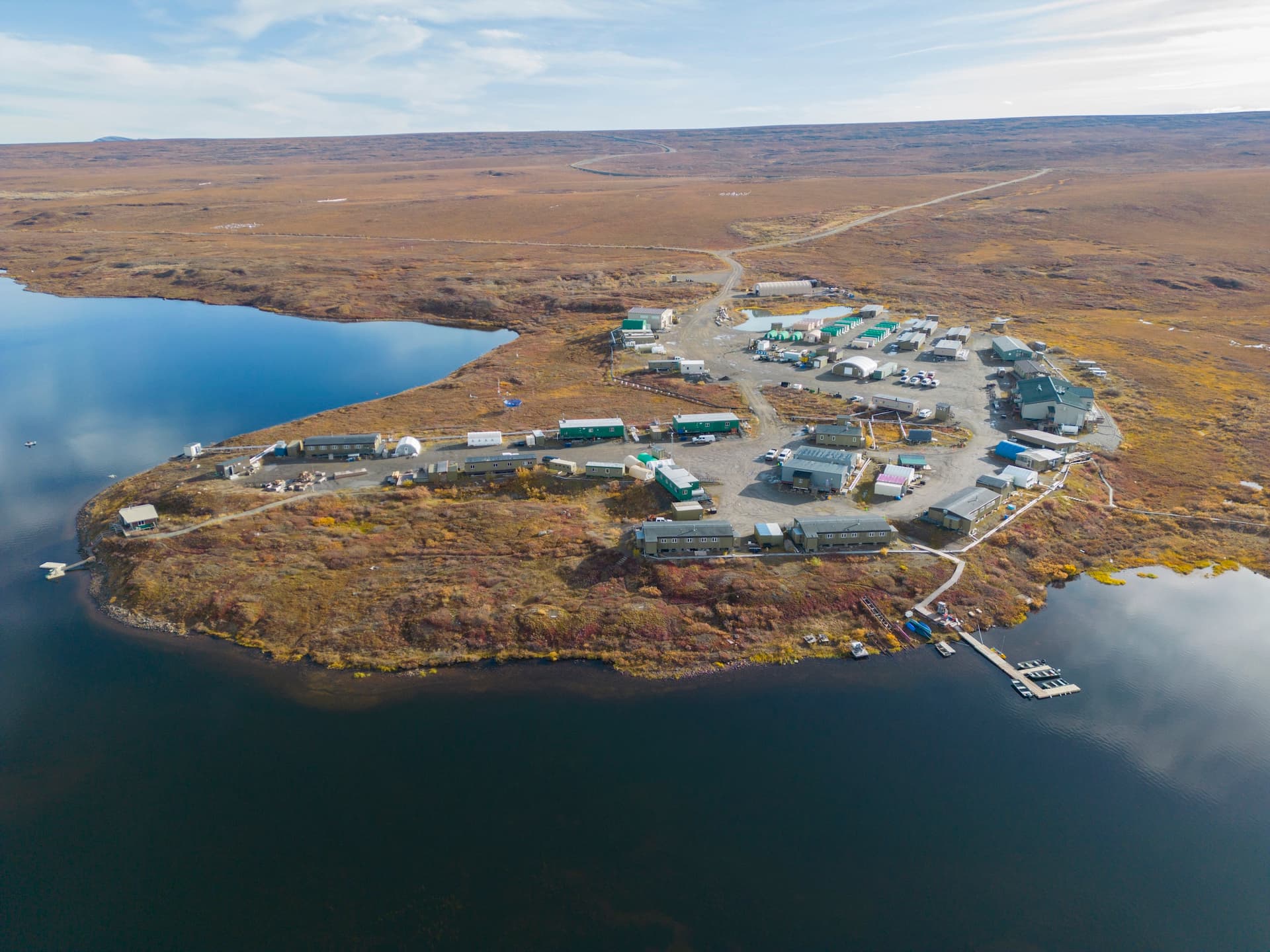
The logistics are part of the story. Tours and self-guided science and nature walks are free, but lunch must be purchased in advance. Visitors must arrange their own travel and return, overnight accommodations are not available, and camping is not allowed in the Toolik Research Natural Area, though Galbraith Lake Campground is nearby. Toolik also warns that the drive can take 9 to 12 hours on a largely unpaved industrial road serving Prudhoe Bay operations, with limited services and little or no cell or internet coverage.

Toolik said it connected with more than 1,900 people in spring outreach events, and the June 6 open house continues that push to bring Arctic science within reach of the public. For North Slope residents, it is a chance to see how a station that began with a trailer at Toolik Lake became a year-round observatory with a $16.3 million history of federal support and a growing role in understanding the North Slope’s future.
This article was produced by Prism’s automated news system from verified source data, official records, and press releases, then run through automated quality and moderation checks before publishing. The system is built and supervised by the people who set the standards it runs under. Read our full AI policy.
Did this article answer your question?