Travel Alaska guide presents Utqiagvik through local eyes
Utqiagvik's local guide could send money to artists, guides, and shops, but only if visitors spend in town and respect a community that controls its own story.
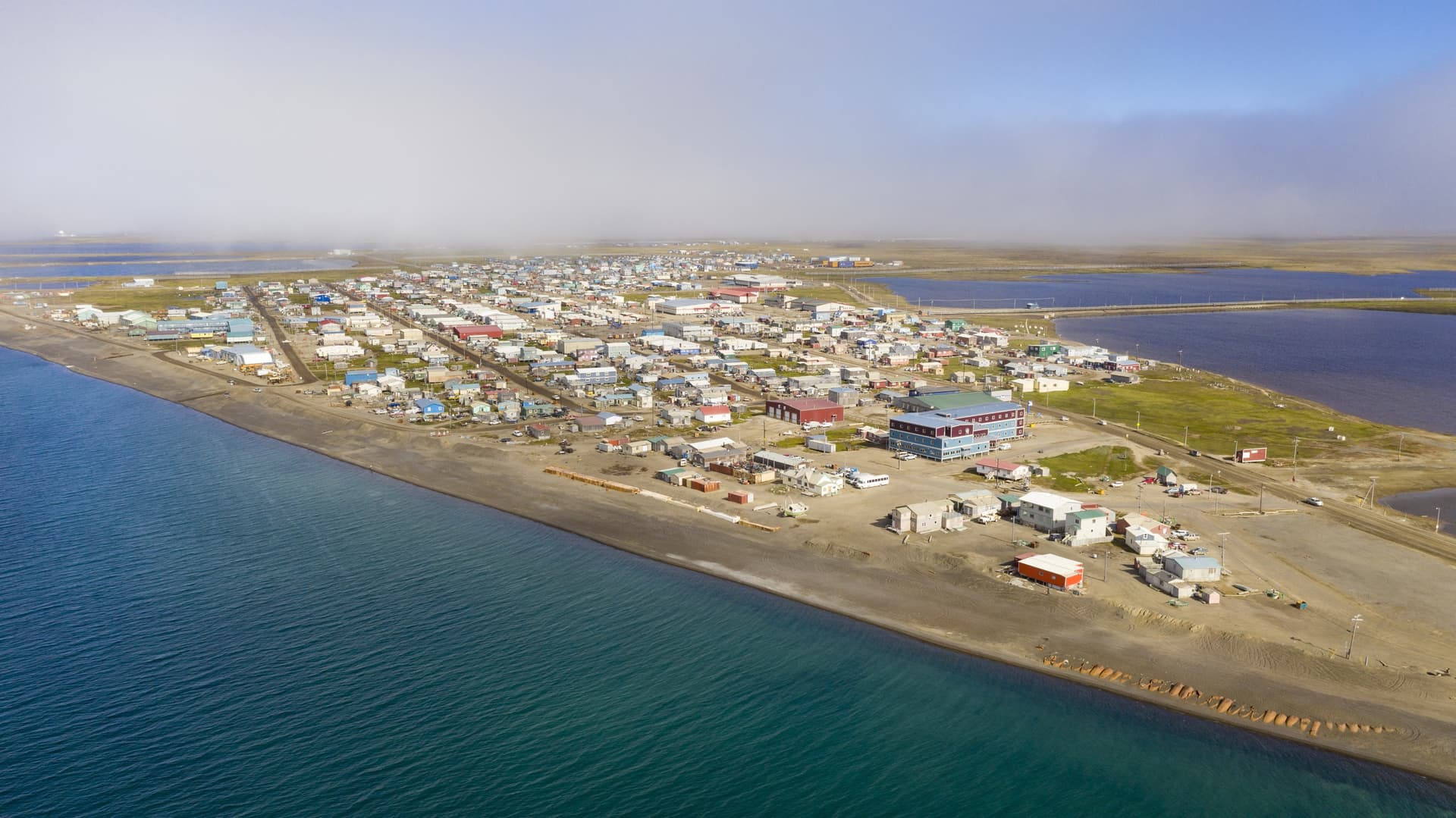
A guide that presents Utqiagvik through local eyes can do more than steer visitors toward a photo stop. It can help decide whether outside attention turns into real income for artists, guides, and small shops, or just another round of people passing through a place they barely understand. In a city of 4,927 that serves as the North Slope Borough seat and largest community, the difference matters.
A local lens, not a postcard
Travel Alaska frames Utqiagvik as more than a dot on the edge of the Arctic Ocean, and that framing is the point. The city sits north of the Arctic Circle, is the northernmost community in the United States, and remains one of the largest Iñupiaq settlements in Alaska. For many readers, the name still carries a second history too: the city was known as Barrow from 1901 until voters restored the name Utqiagvik in 2016.
That matters because the guide is not describing an empty frontier. It is describing a working community that also happens to be the administrative center of the North Slope Borough, a borough of 11,031 people in the 2020 census. Utqiagvik alone makes up nearly half of that population, so any outside attention lands in a place where borough government, schools, businesses, and family life all sit close together.
Where the money could reach local hands
A visitor guide can help local businesses if it sends people to the places where residents already work and sell. In Utqiagvik, that means more than lodging and meals. It can mean purchases from local artists, conversations with guides who know the coastline, and spending that follows the rhythms of a small city rather than the assumptions of a resort town.
But the promise has limits built into the geography. Utqiagvik’s population size, its Arctic Ocean location, and its role as the borough’s largest city all point to a place where capacity is finite and travel is never casual. Outside attention may increase demand, but it does not automatically create more rooms, more flights, or more storefront space, and that is why the real test is whether the benefits stay with residents instead of leaking away to outside intermediaries.
The city’s climate also shapes what any visitor economy can realistically look like. The Alaska Department of Law describes Utqiagvik as technically a desert, with about five inches of rainfall, or snowfall equivalent, each year. The guide may make the city more visible, but it cannot change the fact that business here still runs through a short summer window, weather constraints, and a landscape that remains extreme by any lower-48 standard.

The daylight schedule sets the pace
Utqiagvik’s seasonal light is one of the clearest reminders that this is not a typical travel destination. Travel Alaska notes about 24 hours of daylight from May 10 to August 2 and about 24 hours of darkness from November 18 to January 23. That swing affects everything from how visitors plan their days to how residents organize work, family time, and community events.
For outside travelers, those dates are not a novelty. They shape the practical side of any visit, including when it is easiest to move around town, when visibility is reliable, and when a short trip may feel much longer or much stranger than expected. For local businesses, the light cycle helps determine when visitor spending is likely to concentrate, which is another reason a guide has to function as a planning tool, not just a cultural introduction.
Culture is the center, not the backdrop
The strongest part of a local guide is the way it shifts the narrative away from spectacle and toward lived experience. State heritage materials say the North Slope Borough’s purpose is to preserve and perpetuate the history, language, and culture of the North Slope, and they describe a vision of an Iñupiaq-speaking community grounded in Iñupiaq history and culture. That is not decorative language. It is the framework that should shape how any visitor talks about the city.
Utqiagvik’s identity is also tied to daily practices that do not exist to entertain outsiders. State materials describe local life as including whale hunting, and they note the northernmost AstroTurf field in the world, a detail that says as much about adaptation as it does about modern amenities. A serious guide has to leave room for both, because a place that can support subsistence traditions and a sports field in the same community is not easily reduced to a single narrative.
That is where place names matter. Utqiagvik’s return from Barrow was more than a label change. It restored the city’s traditional Iñupiaq name and signaled that the story of the community should be told from inside the community, not only by people arriving from outside with their own expectations.

A place with military, research, and regional weight
Utqiagvik’s significance goes beyond tourism, and the guide should make that plain. Alaska heritage materials note that the U.S. military established DEW-Line stations on the North Slope during the Cold War, and that the Naval Arctic Research Laboratory was established in Barrow. Those details matter because they show how long the region has been shaped by strategic, scientific, and federal interests, not just by seasonal visitors.
That history still sits alongside the city’s present role as the northernmost borough seat in Alaska. Utqiagvik is not only a destination on the Arctic Ocean, it is a place where public administration, regional services, and local identity intersect every day. When an outside publication presents the city through local eyes, it has a chance to acknowledge that reality instead of flattening it into scenery.
What outside attention should change, and what it should not
The best outcome from a guide like this is not more noise. It is more informed spending, more respectful visits, and a clearer path for local people to define what gets noticed and what gets left alone. That is especially important in a borough where nearly every practical question, from travel timing to cultural expectation, runs through the same small set of streets, institutions, and families.
Utqiagvik can benefit when visitors understand that they are entering a living Iñupiaq community with its own rules, priorities, and history. The city’s size, its role in the North Slope Borough, and its seasonal extremes all make that plain. If the guide does its job, it will send money into local hands, but it will also do something more basic and more durable: it will tell outsiders that Utqiagvik is a place to meet on local terms.
This article was produced by Prism’s automated news system from verified source data, official records, and press releases, then run through automated quality and moderation checks before publishing. The system is built and supervised by the people who set the standards it runs under. Read our full AI policy.
Did this article answer your question?