Utqiagvik crew lands whale late in the spring season
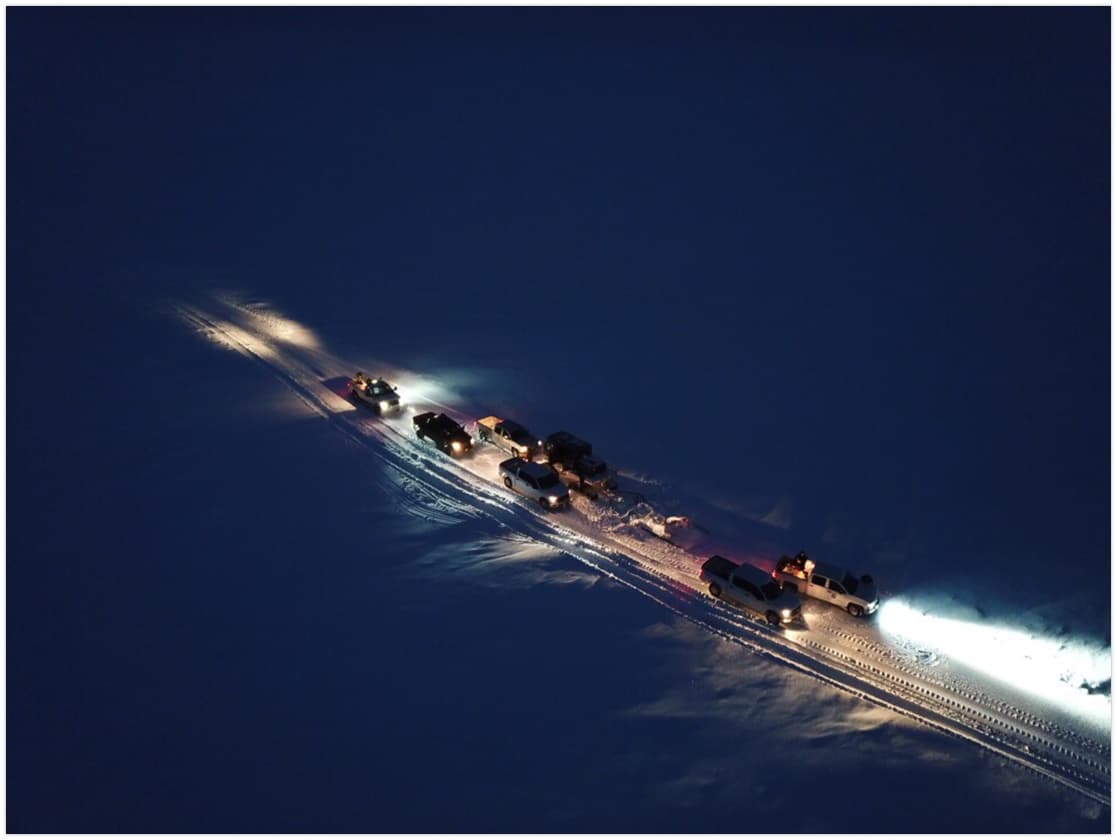
A late spring whale landing in Utqiagvik sent meat and muktuk into the community after crews spent weeks watching changing ice and weather.

Utqiagvik finally landed a whale late in the spring hunt, a catch that matters far beyond a single crew because it feeds households, resets family schedules, and sets off the work of cutting, sharing and gathering that follows every successful landing in the North Slope Borough’s northernmost community.
Bowhead whaling is one of the Iñupiat’s oldest subsistence traditions in Alaska, with roots stretching back at least 1,500 years. In Utqiagvik, the harvest is not symbolic. One whale can supply families with hundreds of pounds of meat, along with muktuk and other parts that move quickly through the local sharing network. When the landing comes late, the pressure builds on crews, relatives and neighbors who have been waiting through uncertain ice and weather.
This spring hunt depends on shorefast ice attached to the coast, and whalers say that ice has become thinner and less predictable as Arctic temperatures rise. Warmer conditions have pushed sea ice to form later in winter and thaw earlier, making each season harder to read. In that setting, a late whale is more than a milestone. It is evidence that crews stayed with the hunt through difficult conditions long enough to bring one in.

The timing also stands out against recent Utqiagvik seasons. In 2019, crews went nearly two months after the hunt opened on Sept. 21 before landing a bowhead. That same year, the community landed one whale in November, far fewer than the almost 20 bowheads harvested during the 2018 fall season. Those swings show how closely food access and cultural rhythm now track the ice.
The city itself carries that history in its name. Residents voted in 2016, by a margin of six votes, to restore the Iñupiaq name Utqiagvik from Barrow, a reminder that local identity and whaling remain tightly linked. For families on the North Slope, a late whale still means the same thing it has for generations: food on the table, work shared across households, and a culture that endures even as the seasons shift around it.
This article was produced by Prism’s automated news system from verified source data, official records, and press releases, then run through automated quality and moderation checks before publishing. The system is built and supervised by the people who set the standards it runs under. Read our full AI policy.
Did this article answer your question?