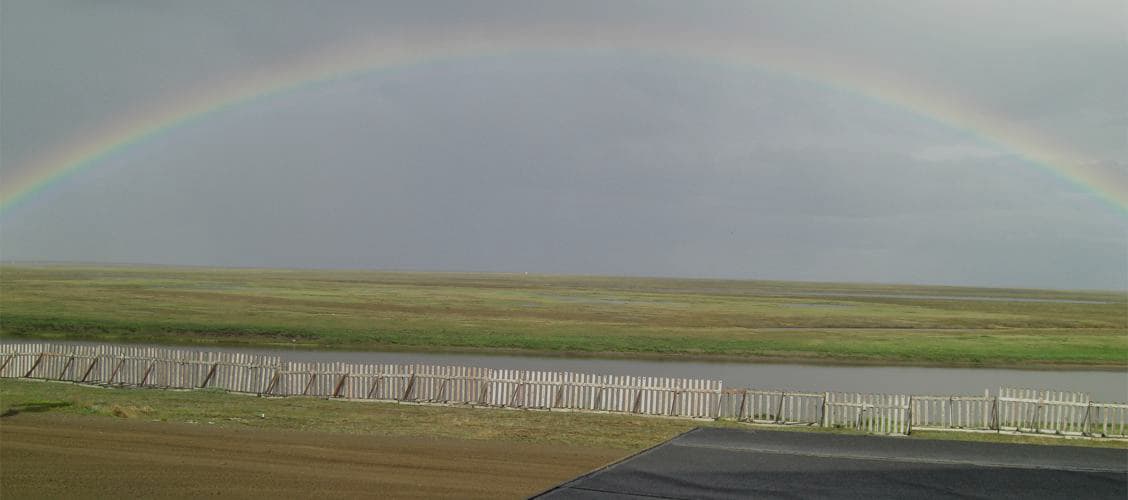
Utqiagvik walking tour spotlights Arctic history, logistics and local life
Utqiagvik's 37-stop walk traces City Hall, the hospital and whaling sites in a town where Arctic light and roadless logistics shape daily life.
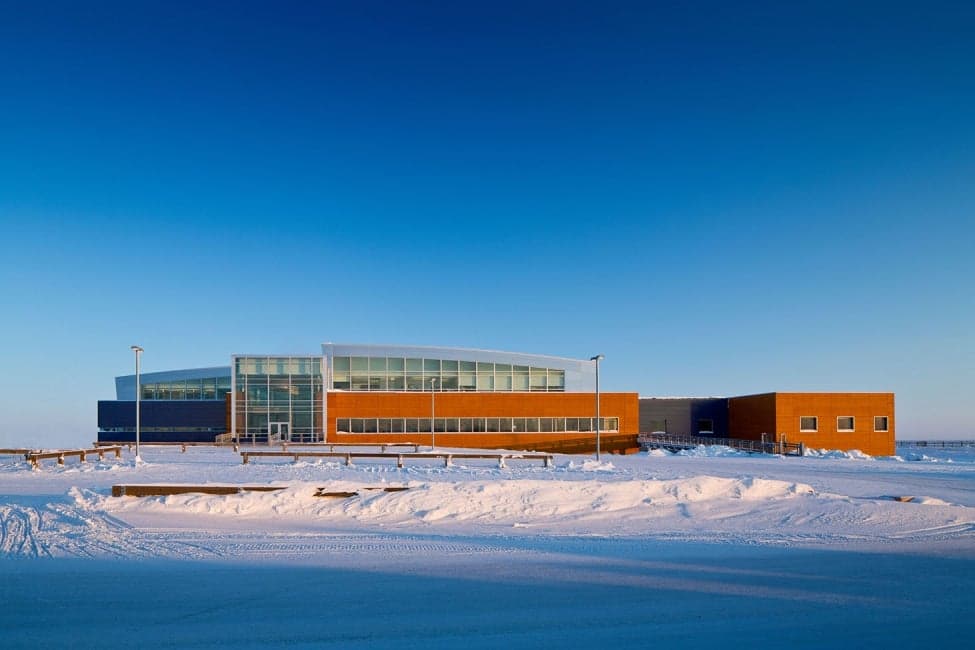
Utqiagvik sits on the Chukchi Sea coast as the northernmost community in the United States, with 4,927 residents counted in the 2020 Census. Its streets make more sense as a chain of institutions, house numbers and landmarks than as a familiar city grid.
Getting your bearings
The City of Utqiagvik calls itself the economic, transportation and administrative center for North Slope Borough, and that role shows up the moment you arrive by plane instead of by road. Some travelers still come in on same-day trips from Anchorage or Fairbanks, which makes a short walking route especially useful for seeing the town’s core without depending on a vehicle.
Local wayfinding runs on practical details. The ALASKA.ORG walking tour lays out 37 numbered points, and the first 28 follow the bus-tour route, so the route works as both a sightseeing guide and a street-level orientation tool. Taxi fares are set by the City of Utqiagvik Taxi Commission, and house numbers and business names matter more than street names when you are getting around.
The town’s own history also appears in the basics. City material places incorporation in 1958, while North Slope Borough material gives 1959. The borough says the community is traditionally known as Ukpeaġvik, meaning “place where snowy owls are hunted.”
The civic spine
The route is most useful where it passes the buildings that keep daily life moving. City Hall, the North Slope Borough Administration Building, Barrow Utilities & Electric Cooperative, Samuel Simmonds Memorial Hospital, Barrow High School, KBRW radio and the Piuraagvik Recreation Center all sit within the walk, along with Barrow’s Visitor Center and the Arctic Slope Regional Corporation.
The route also crosses a fresh-water lake, a practical feature in a place where water, drainage and access are constant concerns.
History underfoot
The route passes the original settlement and house mounds, where archaeological evidence of habitation reaches back to about 800 AD, and it leads into the Iñupiat Heritage Center, which tells the story of the Iñupiat people and recognizes that they have thrived there for thousands of years. The center also reflects the arrival of 19th-century commercial whalers who sought the bowhead, which is why whaling remains part of the town’s public story rather than a separate chapter.
The heritage center, dedicated in February 1999, houses exhibits, artifact collections, a library, a gift shop and a traditional room for crafts and resident programs. It is owned and managed by the North Slope Borough as a National Park Service affiliated area.
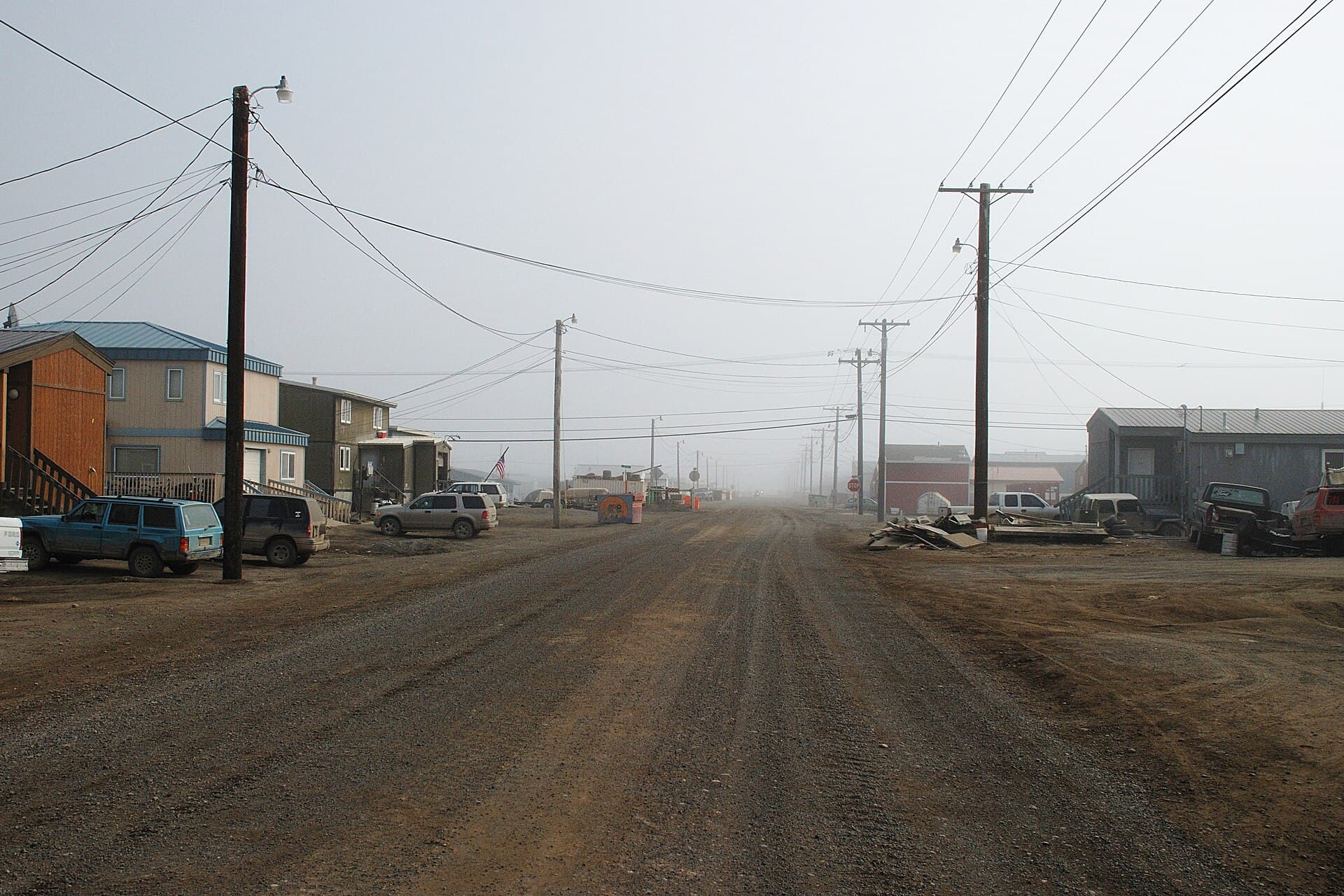
The walk also threads through memory sites tied to national and local history. The Will Rogers and Wiley Post Monument marks the fatal crash near Point Barrow on August 15, 1935, and the old settlement at Nuvuk, the historic whaling station, Whale Bone Arch and the Nalukataq site all tie the route back to subsistence whaling and the shoreline that shaped it. Point Barrow, also known as Nuvuk, is the northernmost point of Alaska, and the community reverted to its Inupiaq name, Utqiagvik, in 2016 even as older names remain visible in landmark names and public memory.
Walking with the light
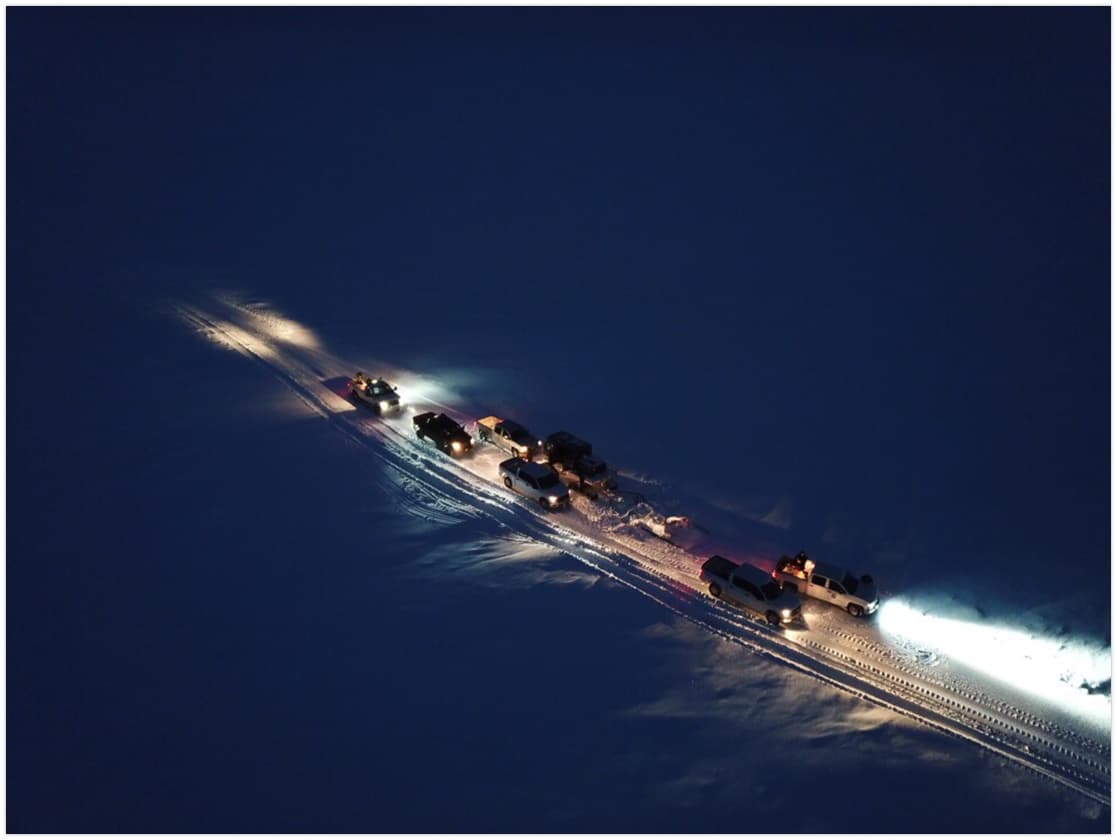
The same route feels entirely different depending on the season. Travel Alaska says Utqiagvik gets 24-hour daylight from May 10 through August 2 and 24-hour darkness from November 18 through January 23, while the National Park Service describes 67 days without the rising sun and about 80 days of summer sunshine. The National Park Service also says temperatures can dip to at least -20°F, while summer temperatures climb into the high 40s.
That swing changes how a walk reads the town. In summer, the Whale Bone Arch and the Arctic Ocean edge become obvious markers of place, with long daylight giving the route a wide-open feel. In winter, the same path centers schools, utilities, health care and borough offices in darkness and wind.
This article was produced by Prism’s automated news system from verified source data, official records, and press releases, then run through automated quality and moderation checks before publishing. The system is built and supervised by the people who set the standards it runs under. Read our full AI policy.
Did this article answer your question?