Perry County Museum preserves history in former courthouse in Cannelton
Perry County Museum turns the old Cannelton courthouse into a practical research stop for family history, veterans, and county-seat questions.

A copy of Perry County First Families sits in the Genealogy Department of the Perry County Library in Tell City, and that book shows what the Perry County Museum does best: turn county history into something families can actually use. Housed in the former Perry County Courthouse at 125 S. 7th Street in Cannelton, the museum gives residents a place to trace names, service, land, and roots in the same building where county business once happened.
A courthouse that still tells the county’s story
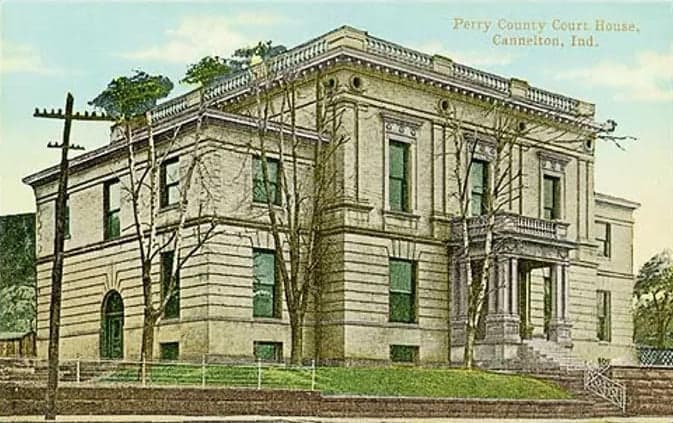
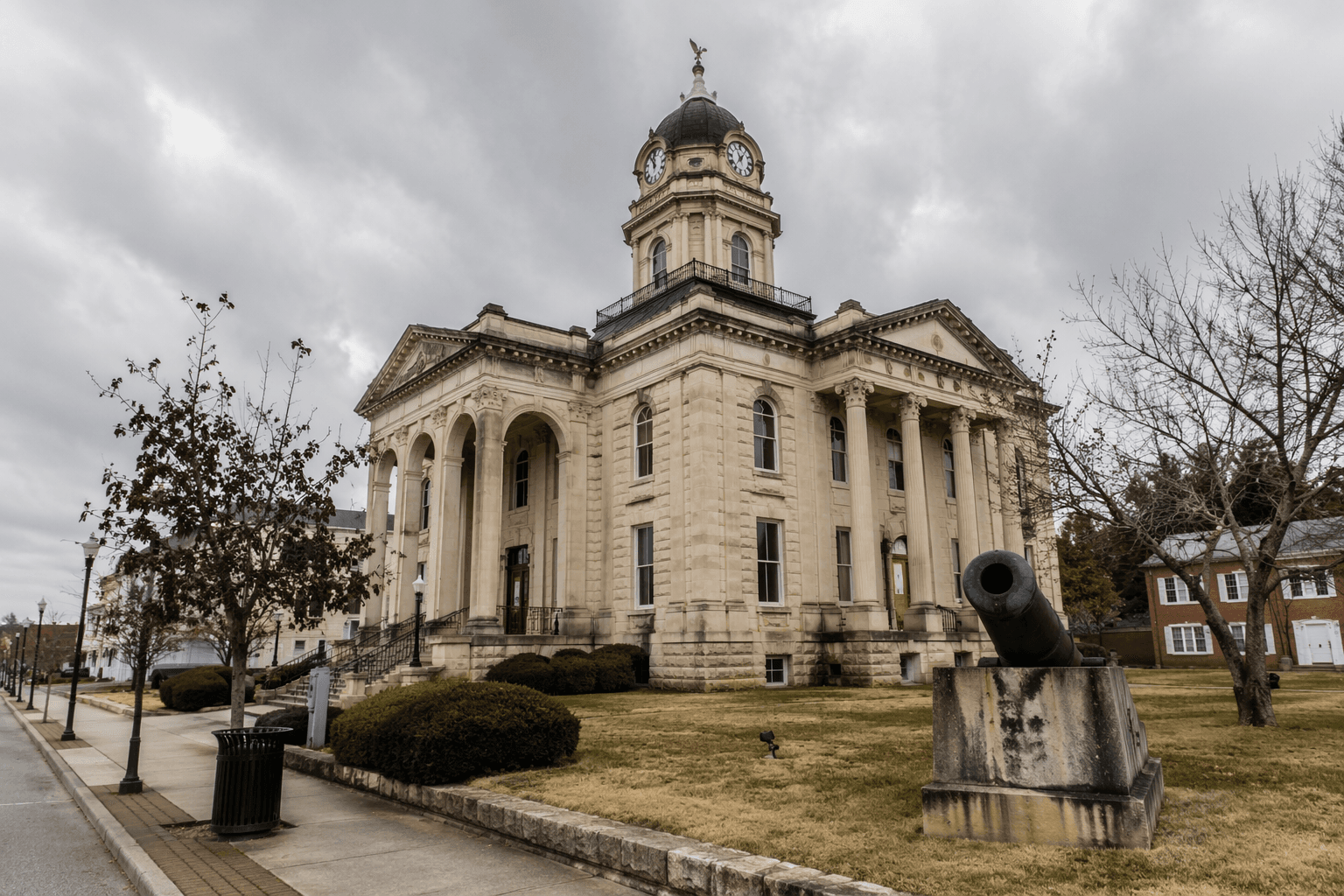
The building itself is part of the exhibit. Built in 1896, the former courthouse served as Perry County’s seat until 1994, when county government moved to Tell City. The museum board purchased the property in December 1998, preserving a landmark many local families already recognize from generations of civic life.
The structure adds architectural value to the historical value. It was built in French Renaissance style, with yellow brick, Bedford limestone lintels, and a massive sandstone foundation quarried from hills near Cannelton. That makes the museum more than a room full of artifacts. It is a surviving piece of the county’s government history, rooted in the same town that once held the county seat for more than a century.
What you can learn inside
The museum’s local history section is built around specific, researchable topics rather than broad nostalgia. Its articles and notes cover the Society of Indiana Pioneers for Perry County, Revolutionary War soldiers, African-American Civil War soldiers, War of 1812 soldiers, Perry County First Families, the Perry County Veterans Project, and a brief history of the county and its namesake.
That range matters for families trying to connect one generation to the next. A surname in an old Bible, a military marker, or a faded photograph can often be matched to one of those themes. The museum’s focus on named people and documented family lines makes it useful for genealogy work, school projects, and anyone trying to understand how a household fits into Perry County’s wider story.
The county history itself gives those searches a firmer frame. Perry County was formed on November 1, 1814, from Gibson and Warrick counties, two years before Indiana became a state. It was named for Commodore Oliver Hazard Perry, and its county-seat path ran from Troy to Rome to Cannelton and then to Tell City. For families, that sequence is more than trivia: it explains why records, memories, and civic identity are spread across multiple towns.
How families can use the museum for ancestry and roots
For anyone starting a family search, the museum is best treated as a first stop, not the last. Its genealogy work and local-history notes can help narrow down names, service eras, and family branches before a trip to the library or county records. The museum also accepts artifact and financial donations, so a family photograph, letter, church program, or military document can become part of the county’s shared record instead of sitting unseen in a drawer.
The Perry County First Families project is especially valuable because it was published as a limited-edition book and donated to schools and libraries. That makes it a bridge between private family memory and public research. A copy available in the Genealogy Department of the Perry County Library in Tell City gives researchers another place to check lineages, compare names, and confirm connections across households that shaped the county early on.
The museum’s material also helps with questions that go beyond ancestry. County-seat changes often leave trails in land use, deeds, and civic records, and Perry County’s move from Cannelton to Tell City in 1994 gives context to where older papers may be found and why the former courthouse still matters. The old government building is a reminder that local history is not confined to one place on a map; it follows the movement of public offices, court business, and family life across the county.
Why the setting in Cannelton matters
Keeping the museum in the former courthouse gives the collection a public meaning that a newer building could not match as easily. Residents walking into the old courthouse are not entering a generic display space. They are stepping into a place where county decisions were once made, where civil records once centered, and where the long arc of Perry County government is still visible in brick and stone.
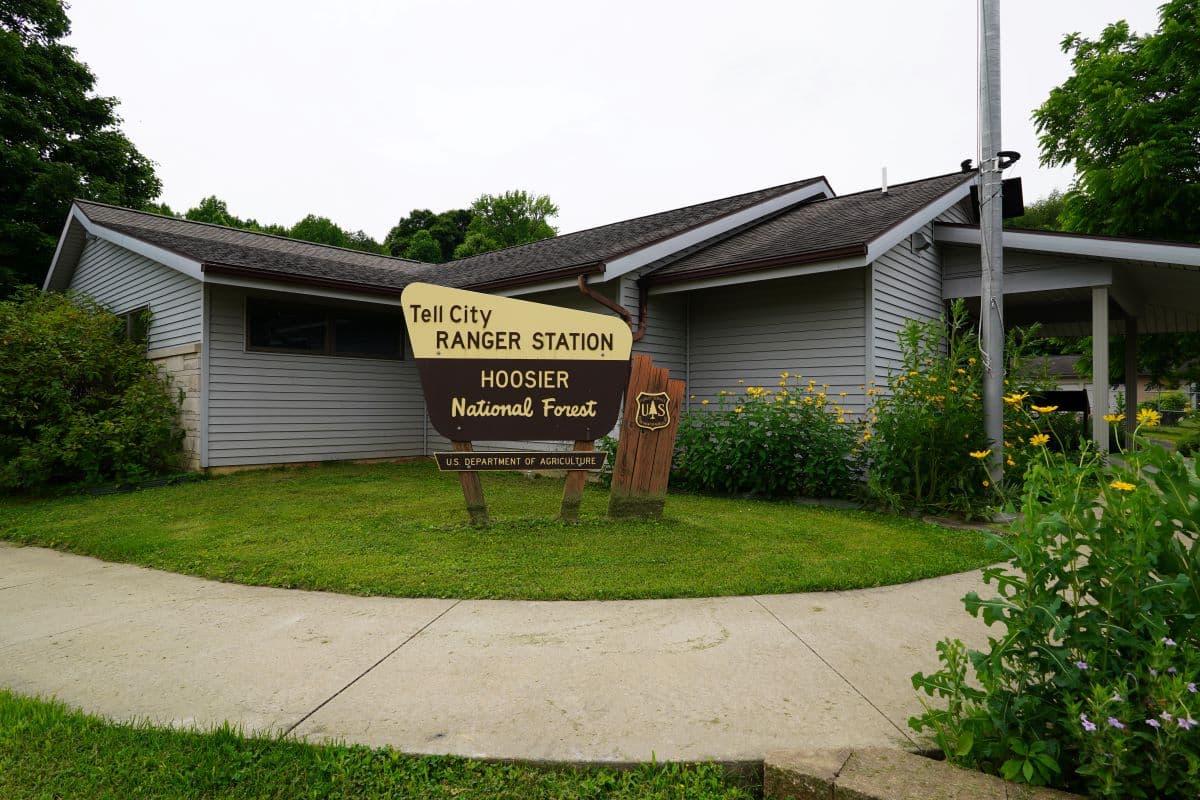
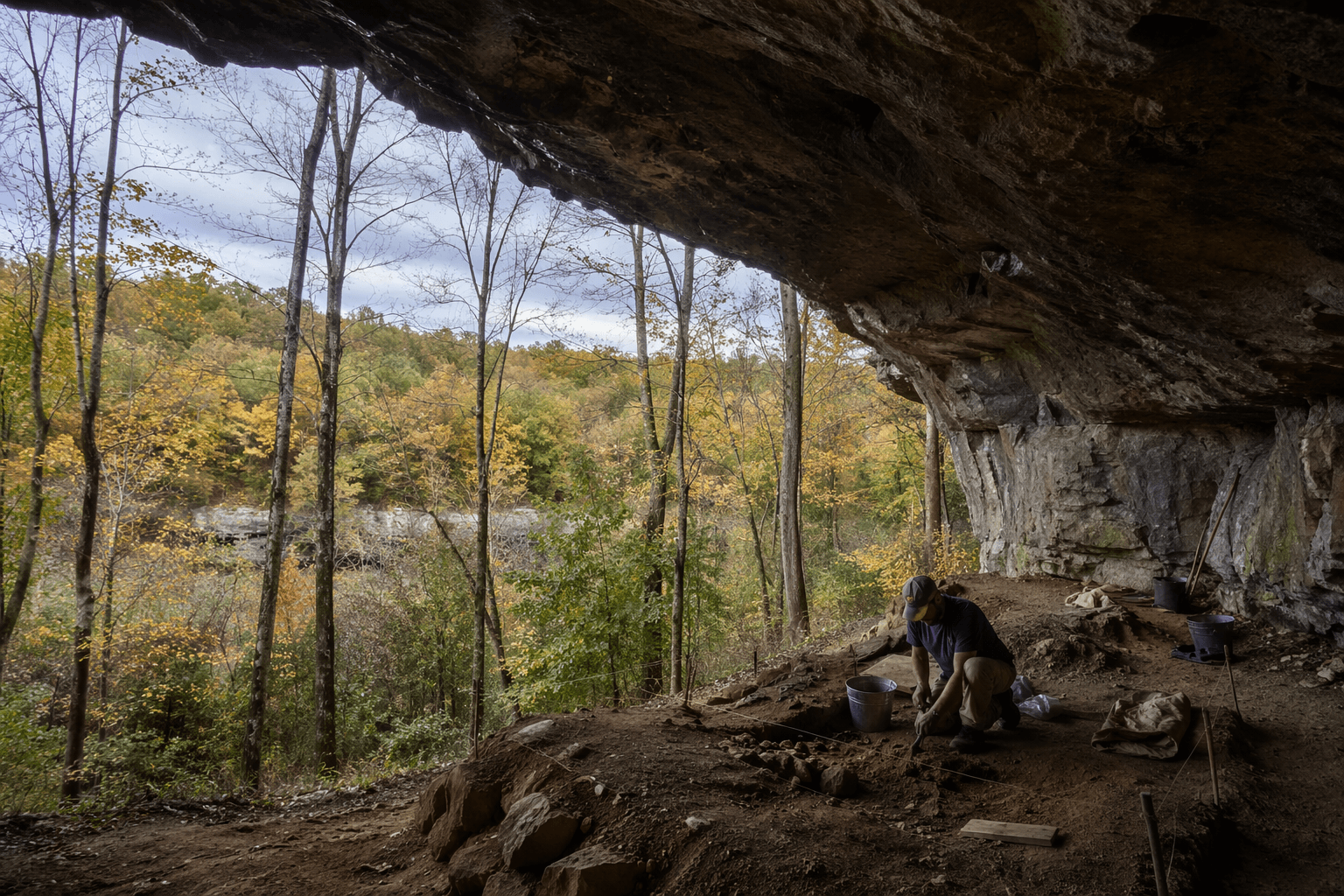
That setting also keeps attention on Cannelton’s place in the county story. The courthouse stayed there from 1859 through 1994, which means the building witnessed generations of change in farming, river towns, migration, and family settlement. In a county that also includes more than 60,000 acres of Hoosier National Forest, the museum helps connect town history to the land around it, showing that Perry County’s story has always been shaped by both institutions and landscape.
How the museum stays open to the community
The Perry County Museum is a 501(c)(3) nonprofit, and it is run entirely by volunteers. That volunteer structure is part of why the museum works as a community preservation project instead of a detached institution. People handle phone calls and emails, and the museum is actively looking for volunteers to help with age-appropriate programs, school visits, senior-center outreach, club presentations, genealogy research, and inquiries from out-of-town family researchers.
That makes the museum useful in practical, everyday ways. A student can learn about a Revolutionary War ancestor. A family can ask whether a military name belongs in the county’s record. A retiree can bring in a box of documents that might help another branch of the same family. And because the museum accepts donations, the archive can keep growing from the county itself, not just from official records.
The result is a local institution built for use. In Cannelton’s former courthouse, Perry County’s past is not sealed away as decoration. It remains searchable, teachable, and open to the people whose names shaped it.
This article was produced by Prism’s automated news system from verified source data, official records, and press releases, then run through automated quality and moderation checks before publishing. The system is built and supervised by the people who set the standards it runs under. Read our full AI policy.
Did this article answer your question?