Perry County site highlights history, population and scenic byway views
Perry County’s site puts offices, community links and local history in one place, while the Ohio River and Hoosier National Forest define the landscape.
Start with the county website for the basics
Perry County residents looking for a fast way to navigate local government can start with the county website, which works as a practical directory for civic life, schools, tourism and community services. It links out to Tell City government, Cannelton, Troy, Perry County Schools, the Perry County Convention and Tourism Bureau, Hoosier National Forest, the Perry County Chamber of Commerce, the Perry County Library, the Perry County Museum and the United Way of Perry County, making it easier to move from one local need to the next without hunting through scattered pages.

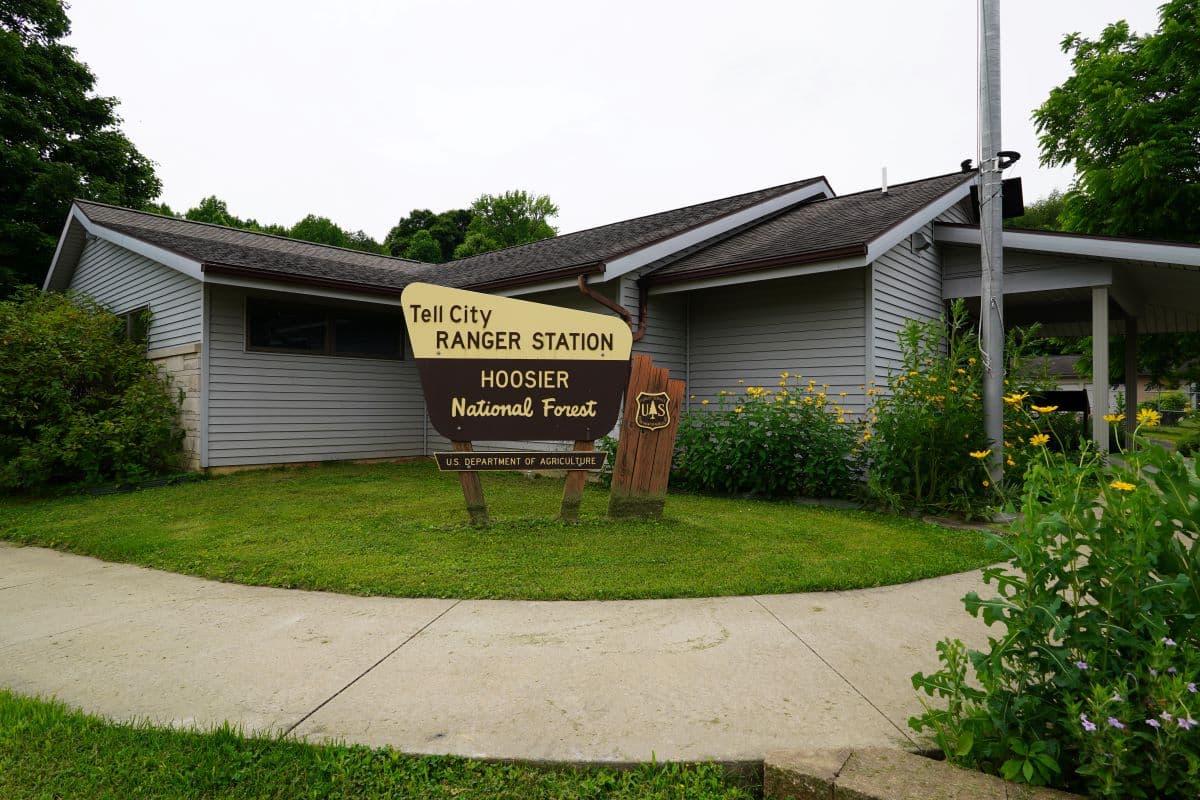
That matters because the county government is centered at 2219 Payne Street in Tell City, IN 47586, and the website gives residents a direct way to understand how the county is organized. The Perry County Council has seven members, with four elected from districts and three elected at large, while the Perry County Board of Commissioners serves as the county’s legislative and executive body. For anyone trying to find an office, figure out who handles a local issue or get oriented before a visit, the site functions as the most efficient first stop.
A county shaped by river, forest and shifting county seats
Perry County’s history is tied to movement, borders and the practical needs of county government. The county was organized in 1814 and was named for War of 1812 hero Commodore Oliver Hazard Perry. It also holds a small but notable place in Indiana history, since it was the last county in the state to be created before the Territory of Indiana applied to Congress for an enabling act.
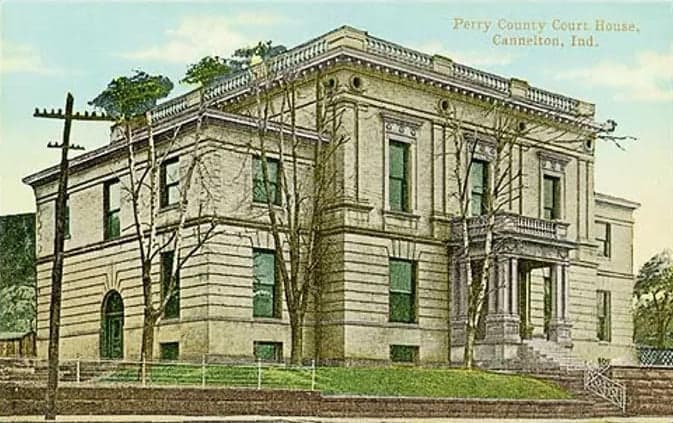
Its county seat has moved more than once, which helps explain why different towns still carry pieces of the county’s civic memory. The first seat was in Troy, then came Rome, then Cannelton from 1859 through 1994, before the seat moved to Tell City, where it remains today. That path tells a broader story about where people lived, worked and gathered as the county evolved, and it still shapes how residents think about local identity.
The county’s borders add another layer of context. Perry County sits along the Ohio River on the south and also borders Spencer County, Dubois County and Crawford County. That location places it squarely in the river country of southern Indiana, where transportation routes, small towns and outdoor access all intersect.
Population trends show a small county that has stayed steady
The population figures give a clear picture of Perry County’s scale. The U.S. Census Bureau counted 19,170 residents in the 2020 Census, compared with 19,338 in 2010, and it estimated 19,389 residents on July 1, 2025. Those numbers show a county that has remained in a fairly narrow population band for more than a decade, which is useful context for understanding its economy, public services and long-term planning needs.
For a county of roughly 19,000 people, even modest shifts can matter. A population that is stable rather than rapidly growing often means local government has to balance familiar service demands with limited scale, from roads and schools to libraries and emergency coordination. It also helps explain why the county website’s role as a central information hub is so valuable: in a small county, residents benefit when basic government and community links are easy to find in one place.
Hoosier National Forest is part of the county’s identity, not just its scenery
Perry County’s forestland is one of its most important geographic assets. The county says it includes more than 60,000 acres of Hoosier National Forest, and the Forest Service describes the broader forest as a 205,000-acre landscape in south-central Indiana. That difference matters because it places Perry County inside a much larger recreation system that draws visitors across the region.
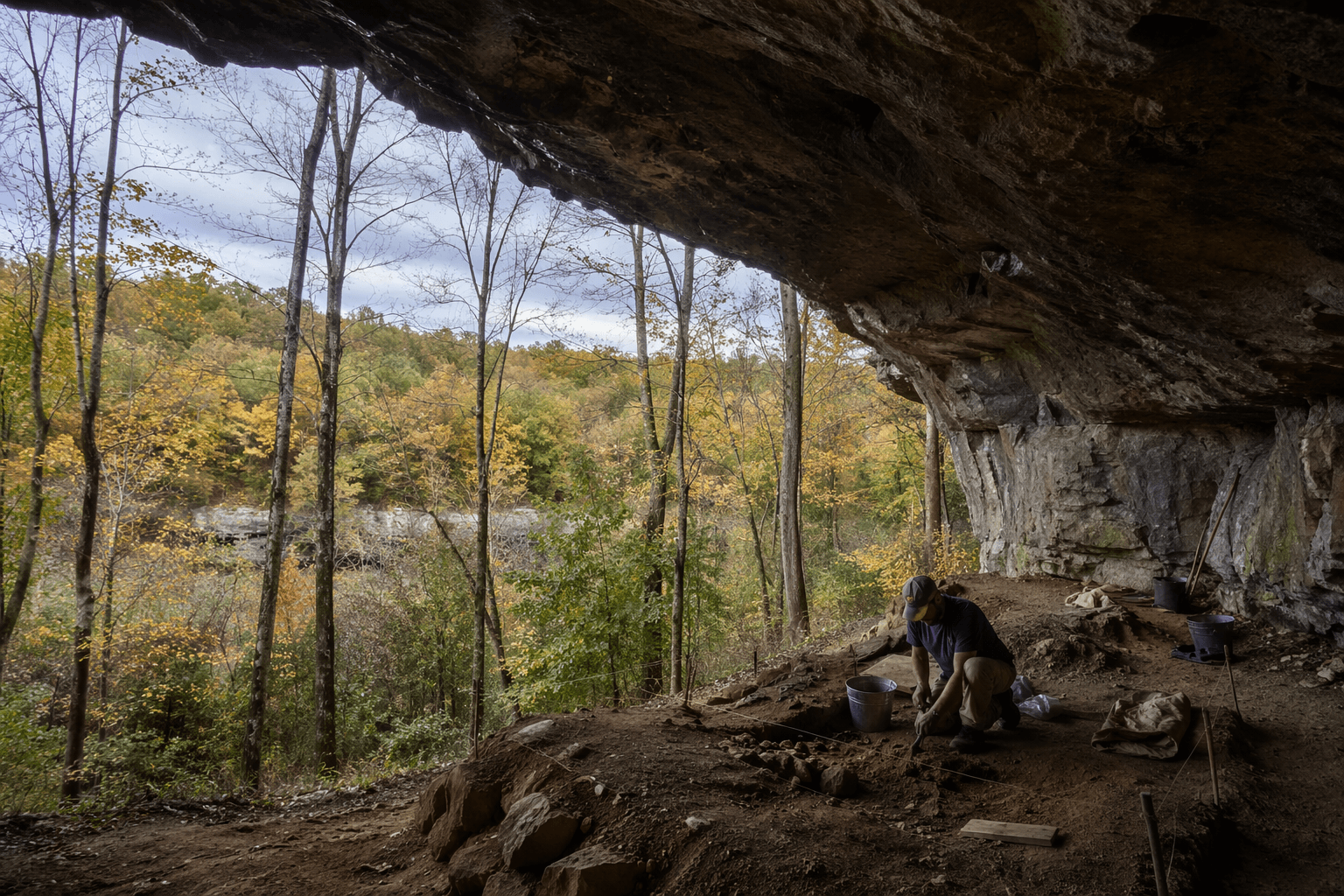
The forest is built for activity as much as for viewership. The Forest Service says it offers hiking, fishing, hunting, mountain biking and horseback riding, with more than 260 miles of trails. It is also within a two-hour drive of Cincinnati, Evansville, Indianapolis and Louisville, which helps explain why it has a regional pull well beyond county lines. For Perry County, that means the forest is not only a scenic backdrop but also an asset that supports outdoor recreation, tourism and quality of life.
Highway 66 and the Ohio River Scenic Byway frame the views
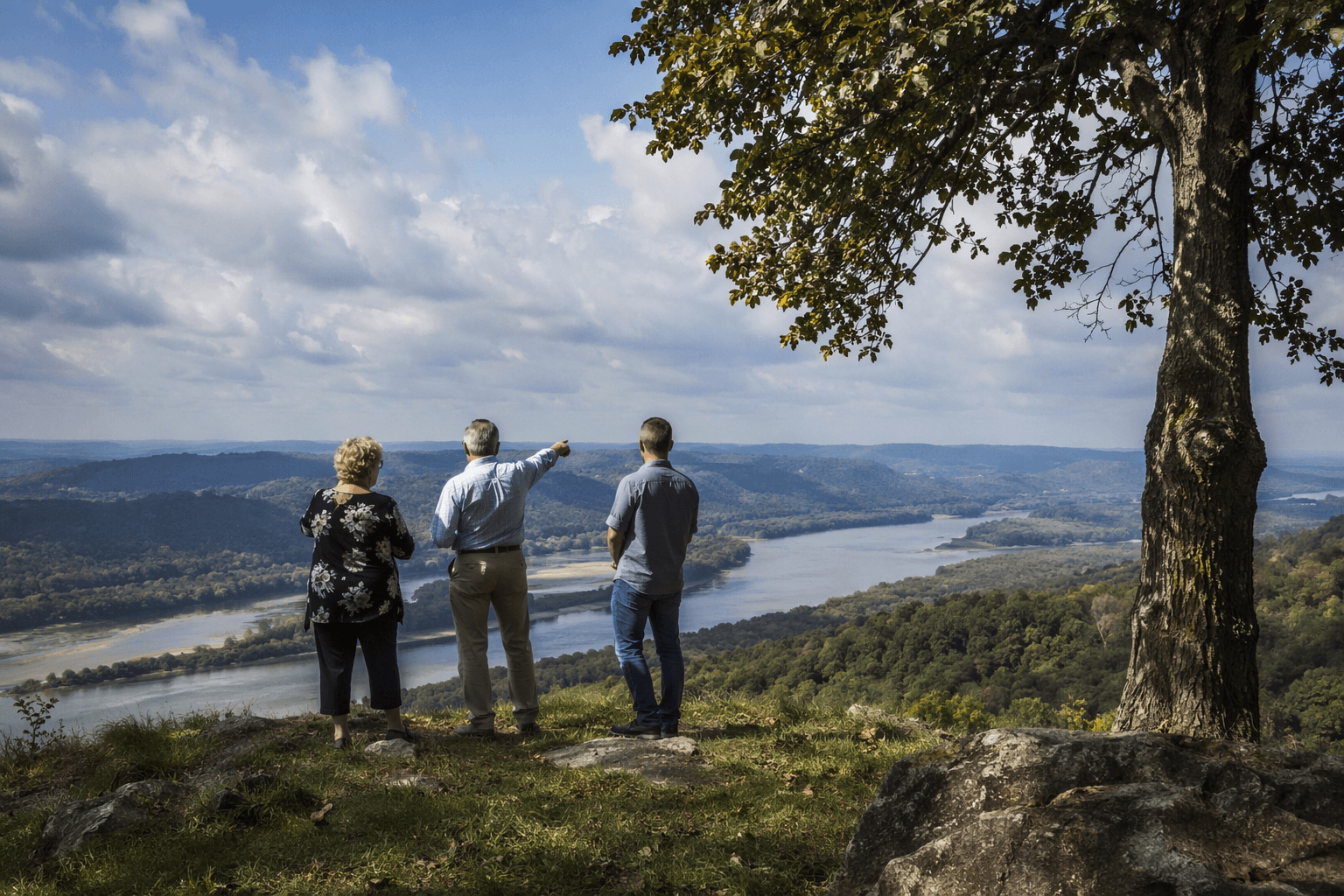
One of the county’s most recognizable drives is the Ohio River Scenic Byway on Highway 66. The county points residents toward that route because it captures the combination of river frontage, wooded terrain and small-town settlement that defines the area. For people who want to understand Perry County visually, the byway is one of the best starting points.
The Ohio River itself remains central to the county’s identity, shaping both the landscape and the local sense of place. It is one of the reasons Perry County reads as both a working county and an outdoor destination. The river, the forest and the string of towns along the way create a setting that is distinct to this part of Indiana, and the scenic byway gives drivers a way to see how those pieces fit together.
Tell City still anchors local heritage
Tell City is more than the county seat. It is also part of the county’s cultural story, including the Schweizer Fest, which began in 1959 and is now one of Indiana’s longest-running community festivals. That gives the city a special place in county life, where government, heritage and tourism overlap.
Taken together, Perry County’s website, its history and its geography offer a compact but useful portrait of the county as it functions today. Residents looking for offices, community connections, population context or a route to some of the county’s best views can find all of it tied together in one place, with Tell City, the Ohio River and Hoosier National Forest at the center of the map.
This article was produced by Prism’s automated news system from verified source data, official records, and press releases, then run through automated quality and moderation checks before publishing. The system is built and supervised by the people who set the standards it runs under. Read our full AI policy.
Did this article answer your question?