Pick Perry highlights outdoor recreation and small-town charm in Perry County
Perry County is branding itself around the river, forest, and small-town life, but the real test is whether that image still matches daily life on the ground.
A county shaped by river and forest
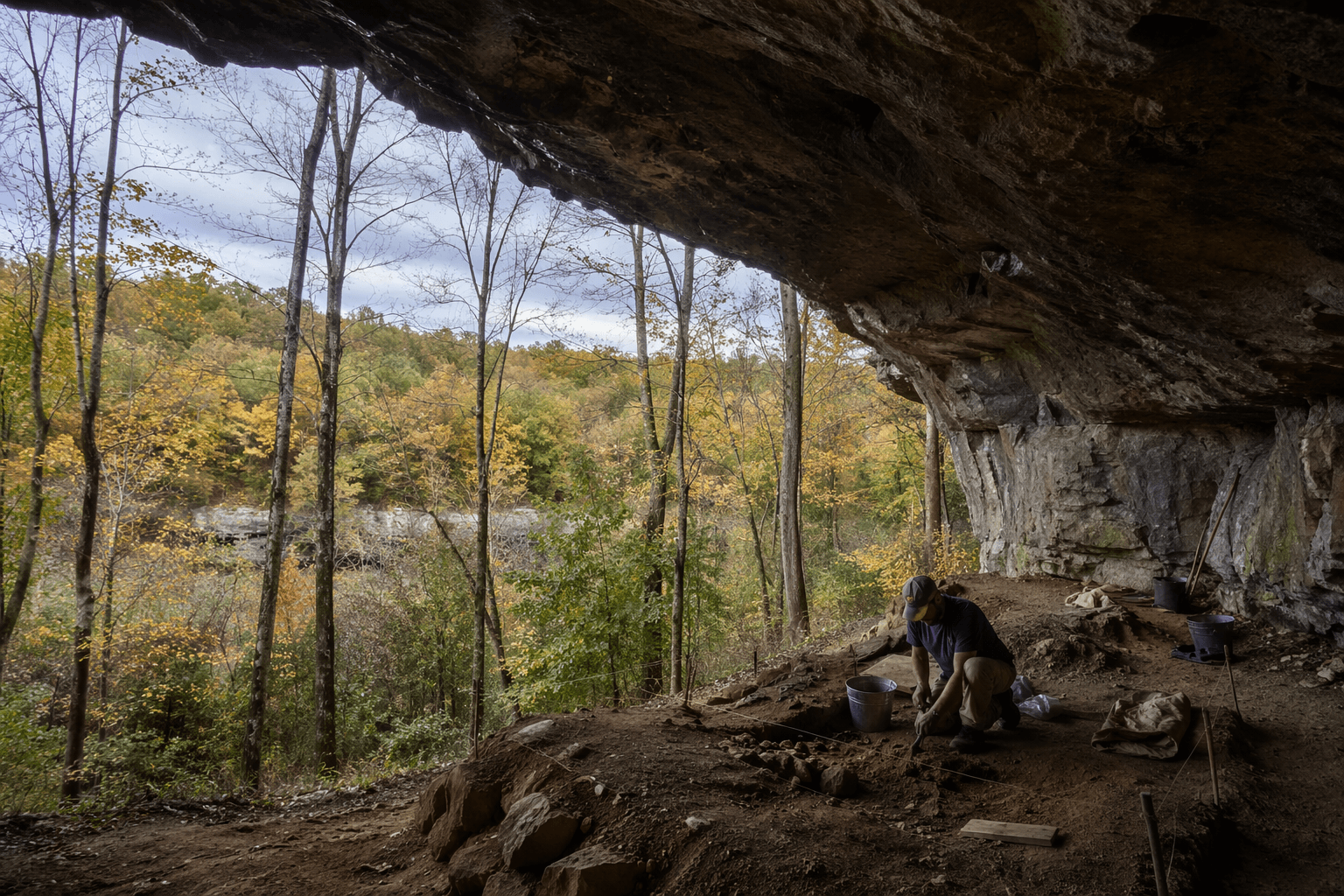
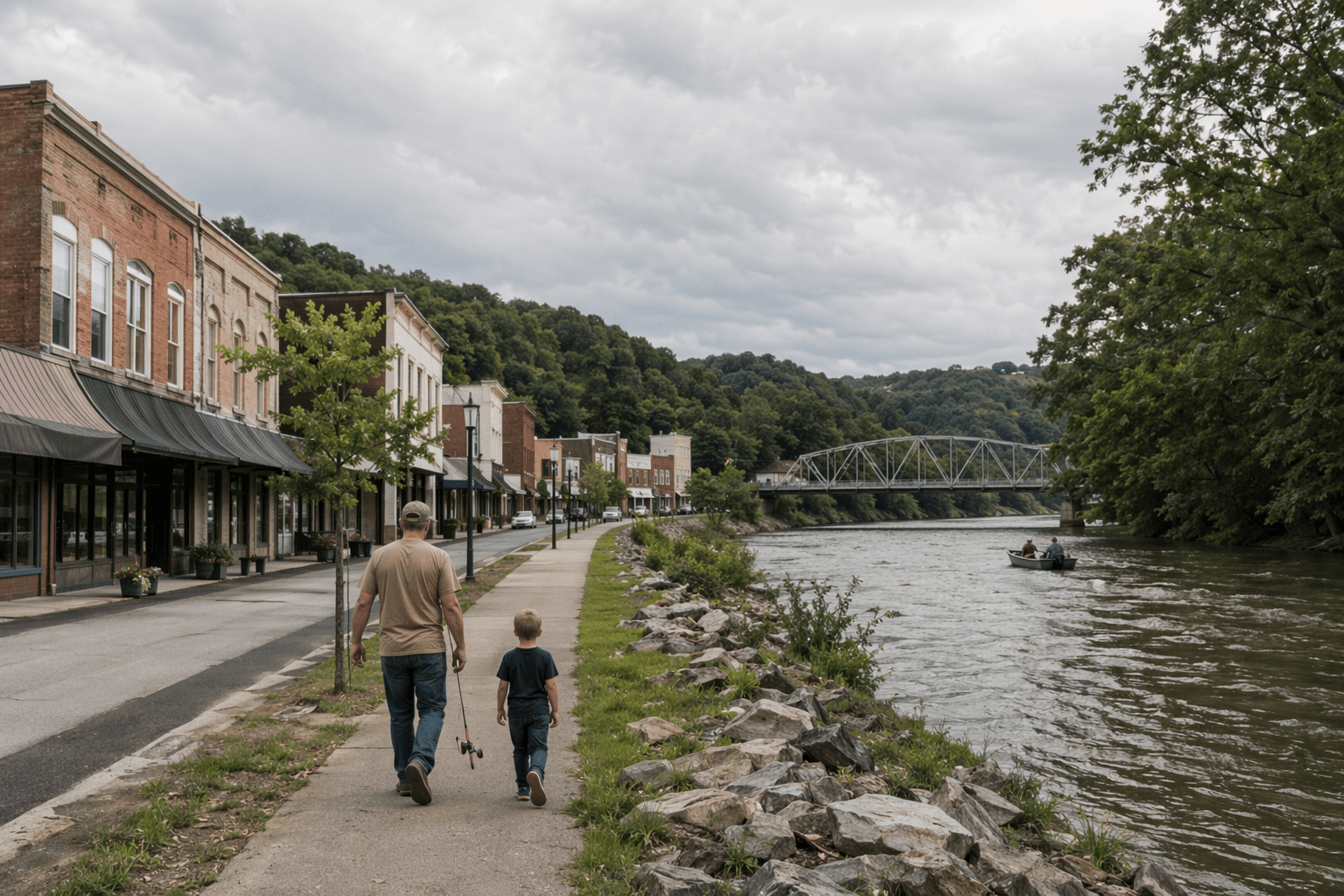
Perry County’s public image starts with geography. The Ohio River forms the county’s southern edge, while more than 60,000 acres of Hoosier National Forest give the interior a distinctly wooded character that sets the pace for everyday life. That combination is exactly what the Perry County Convention and Visitors Bureau is trying to sell: a place where scenic views, outdoor recreation, and small-town identity are not separate ideas, but part of the same landscape.

The county’s pitch is simple and deliberate. Pick Perry frames the area as a destination for people who want a slower pace, local gathering spots, and room to explore nature and history without treating the county as a place to pass through on the way somewhere else. That matters in Perry County because the landscape is not just scenery. It is the backbone of how the county presents itself to visitors, newcomers, and businesses deciding whether this is a place worth investing in.
What Pick Perry is really saying
The tourism message is bigger than a list of attractions. By describing Perry County as nestled between Hoosier National Forest and the Ohio River, the county is linking recreation to community identity. Hiking, paddling, visiting local events, and spending time in the towns are presented as part of the same civic fabric that supports schools, businesses, and public life.
That overlap has real policy implications. A county that markets itself as scenic and welcoming is also making a case for quality of life, not just tourism dollars. In practice, that can shape how local leaders talk about economic development, downtown vitality, and whether Perry County is trying to attract short-term visitors, long-term residents, or both. The message is clear: the county wants growth, but it wants growth that still feels like Perry County.
Outdoor recreation is concrete, not abstract
The county’s parks and recreation department gives the brand physical form. It says it operates four park facilities ranging from 1 acre to 128 acres, all located along the Ohio River Scenic Byway, Indiana State Road 66. Its mission is straightforward: serve residents and encourage tourism. That dual purpose shows how tightly local quality of life and visitor appeal are connected here.
The amenities are practical and easy to picture. Perry County points to a scenic overlook of the Ohio River and Cannelton Locks & Dam, two public boat launches, walking trails, shelter houses, and restrooms. Those features tell a broader story than any slogan can. They show a county trying to make its river access usable, not just picturesque, and to turn open space into a real public asset for families, anglers, paddlers, and day-trippers alike.
History still shapes the county’s identity
Perry County’s present-day branding sits on a deep historical base. The county was organized in 1814, was the last county in Indiana created before the territory applied to Congress for an enabling act, and was named for War of 1812 hero Commodore Oliver Hazard Perry. That origin story gives the county more than scenic appeal. It gives it a place in Indiana’s early political geography.
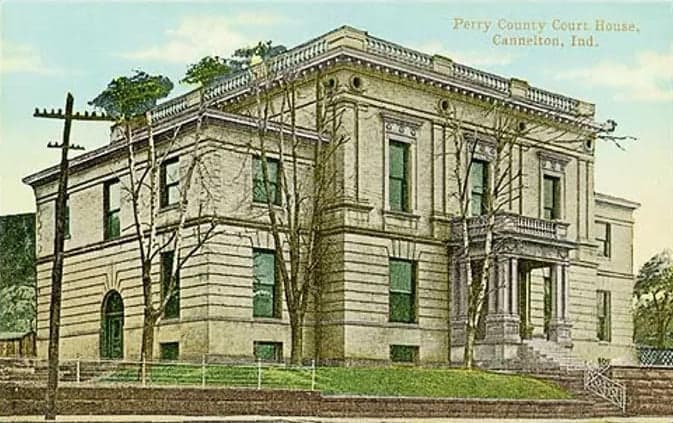
The county seat also moved over time, from Troy to Rome to Cannelton and then to Tell City in 1994. That progression helps explain why county identity here feels layered rather than fixed. Civic life has shifted with the river, the roads, and the changing centers of population and commerce, but the county’s public story still draws from the same river-town heritage that has defined it for generations.
Cannelton remains a useful window into that history. The Cannelton Cotton Mills, also known as Indiana Cotton Mills, began in May 1849, and the first cloth was woven there on January 7, 1851. The National Park Service describes the Cannelton Historic District as a river town constrained by the Ohio River and high rock bluffs, a reminder that geography has long shaped not only settlement and industry, but also how residents move through the county today.
Why the message matters for development
Perry County’s size gives the branding extra weight. The U.S. Census Bureau says the county had 19,170 residents in the 2020 Census and 7,758 households in 2020-2024 estimates. It also reports a 75.5% owner-occupied housing rate and a median gross rent of $682. Those figures suggest a county where housing stability and affordability are part of the local story, and where place-based marketing may help support both population retention and modest growth.
The transportation links matter too. Perry County says Interstate 64 and Indiana 66 make it easier to reach larger metros such as Evansville and Louisville. That access matters because the county is not positioning itself as isolated. It is presenting itself as reachable, with river scenery and public recreation close enough to pull in visitors while still preserving the feel of a smaller community.
The county’s natural assets also extend beyond local boundaries. Hoosier National Forest offers year-round recreation, and the Ohio River became part of the Lewis and Clark National Historic Trail in 2019. Those facts place Perry County inside a broader story of national travel, settlement, and exploration, while still keeping the focus on the everyday places where residents actually live, work, and gather.
What residents are likely to recognize
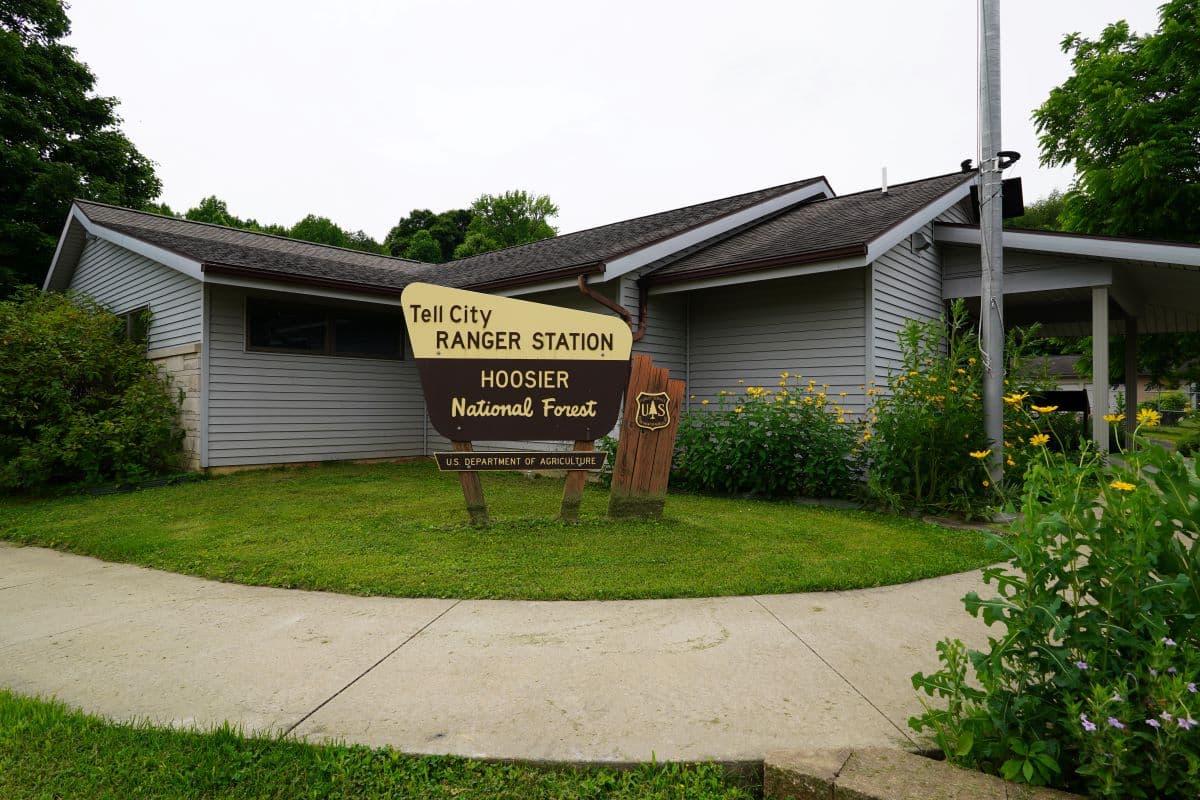
The strongest thing about the Pick Perry message is that it does not rely on a fantasy version of the county. It is built from places people already know: Tell City, Cannelton, the river overlooks, the boat launches, the wooded hills, and the roads that tie them together. That gives the campaign credibility, but it also creates a standard that local leaders will have to meet.
If Perry County wants to keep attracting visitors without flattening its character, the balance will be familiar to anyone who lives there. Downtowns need to stay active. Parks need to remain usable. The county’s river-and-forest identity has to support real civic life, not just a polished brochure. In Perry County, the best tourism pitch is also the hardest promise to keep: the place has to remain livable for the people who call it home.
This article was produced by Prism’s automated news system from verified source data, official records, and press releases, then run through automated quality and moderation checks before publishing. The system is built and supervised by the people who set the standards it runs under. Read our full AI policy.
Did this article answer your question?