Rickenbaugh House links Perry County history with Celina Lake recreation
Rickenbaugh House turns one Perry County stop into a full day: a restored sandstone home, a 1-mile interpretive trail and a 15.7-mile lakeside hike option.

The Rickenbaugh House gives Perry County a compact route that folds local history into a lake day. Jacob Rickenbaugh came to the Celina Lake area in 1854, bought 320 acres for his tanning business because of the white oak and chestnut trees, and the Forest Service places the house’s construction in 1874. For families and weekend visitors, the payoff is simple: a restored sandstone home, a 1-mile interpretive walk and a bigger lake loop if you want to keep going.
Rickenbaugh House sets the historical anchor
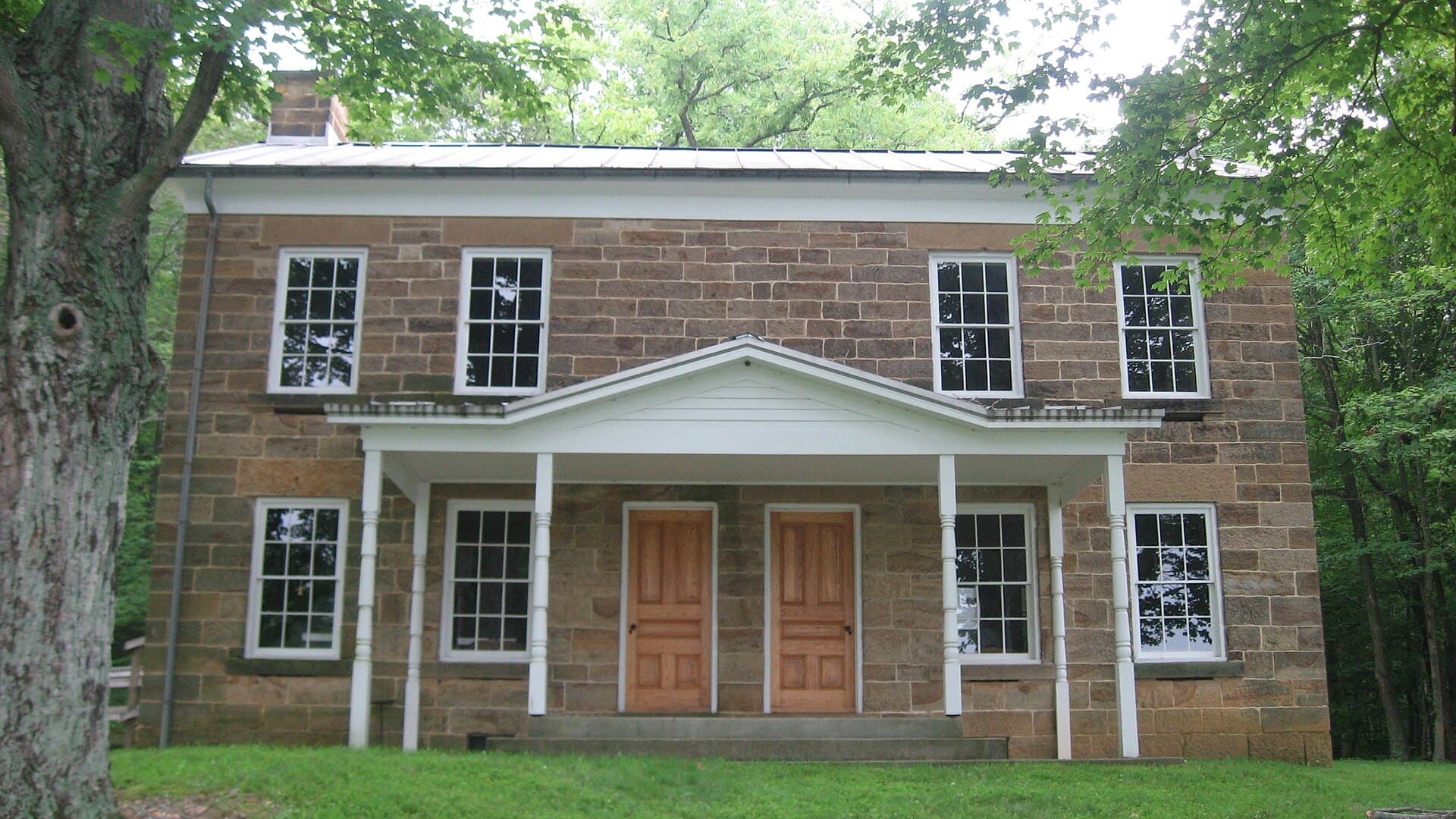
The old rock house on the banks of Celina Lake is more than a scenic stop. The Forest Service says the home was restored to its original condition, and family antiques plus original furnishings help make the interior feel like a lived-in part of Perry County’s past rather than a static display. The site was acquired by the U.S. Forest Service in 1968 and listed on the National Register of Historic Places in 1984, giving it a place in both local memory and the formal record.
Rehabilitation work began in the fall of 2001, and the details matter: tuckpointing the sandstone blocks, reconstructing the porch and adding exterior trim based on old photos. Those repairs preserved the look of the historic sandstone house while keeping the story legible for visitors who only have a short window to stop. The house is also tied to the Celina Post Office, which was associated with the site for decades, adding another layer to the way this corner of Oil Township served the community.
Jacob Rickenbaugh’s tanning business explains why the location mattered in the first place. He chose the site for its timber resources, and that practical decision still shapes the visitor experience today: the house sits above the lake, the trail interprets the family story, and the surrounding recreation area makes it easy to turn a history stop into a full outing.

The Celina Interpretive Trail makes the story walkable
If you want the quickest way to understand the site, the Celina Interpretive Trail is the place to start. The trail is about 1 mile long, has roughly 12 interpretive stops and is described by the Forest Service as an easy 30-minute walk. That makes it one of the most efficient ways to connect the house to the wider landscape without needing a long hike or a complicated itinerary.
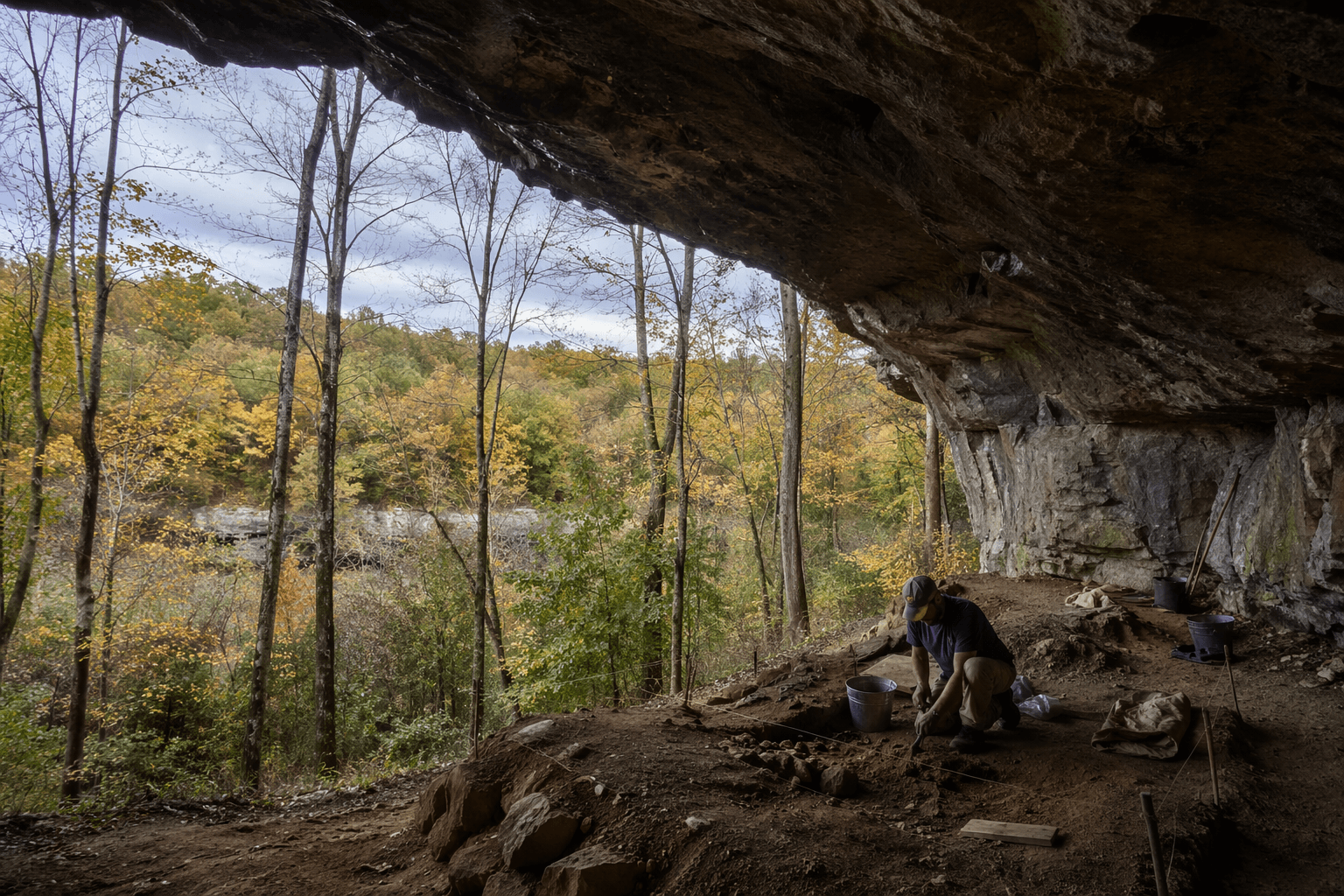
The stops focus on the Rickenbaugh family, the building of the stone house and post office, and the Native Americans who preceded them. That combination gives the trail more depth than a simple nature walk: it places the house inside a longer local timeline and shows how the site changed from Indigenous presence to settlement to public recreation. Because the route is short, it works well for children, grandparents and anyone who wants a clear historical payoff without spending the whole afternoon on foot.
The trail also works as a transition piece. You can take in the house first, walk the interpretive route for context, and then decide whether to stop at the lake, camp overnight or head for the longer forest trail. That flow keeps the day flexible while still giving the history stop real weight.
Indian-Celina Lakes adds the recreation side
The Indian-Celina Lakes Recreation Area sits just off Indiana 37, south of Interstate 64, at the entrance sign for the recreation area. The Forest Service describes it as having two camping loops and two lakes for paddling, fishing and boating, with electric motors only on the water. It is operated by a concessionaire under a special use permit from early April through late October, a seasonal setup that matters for anyone planning an overnight stay or a spring or fall trip.
The camping layout is concrete and useful for planning. North Face and South Slope together provide 63 campsites, including four double sites. That gives the area enough capacity for weekend use while still keeping the visit centered on the lakes and the surrounding forest rather than on large-scale development. If your day trip turns into a stay, the site is built to handle it.
Celina Lake itself carries its own story. The 156-acre lake below the Rickenbaugh House was constructed in 1968 for flood control and later became a recreational destination. It is the largest of the four lakes in the Middle Forks Lake Complex, which helps explain why the area has become such a strong draw for both local outings and longer stays.
The Two Lakes Loop is the bigger commitment
For visitors who want more than the short interpretive walk, the Two Lakes Loop Trail stretches 15.7 miles and is designated a National Recreation Trail. The main route is marked in white, and orange-marked spurs allow shorter hikes. The trail offers hardwood-forest scenery and lake views, but the Forest Service also notes that much of it runs on steep slopes.
That elevation change is the key planning detail. Half the distance can take 4 to 5 hours to hike, so this is not a quick add-on after the house stop. It is a full-day backcountry outing that rewards experienced hikers, while visitors with limited time can stay with the Celina Interpretive Trail and the lake shoreline without missing the main historical thread.
How to make the route work
The easiest order is straightforward: start at the Rickenbaugh House, walk the Celina Interpretive Trail, then move to Indian-Celina Lakes for paddling, fishing, camping or a longer hike. That sequence keeps the historical core first and the recreation options second, which matches how the site is built. The history is compact, the short trail is manageable and the larger loop is available only if you want to trade convenience for distance.
For Perry County, that combination is what makes the stop worth the drive. The house preserves the county’s 19th-century working history, the trail explains it in about half an hour and the lakes give the day a second life once the walking is done.
This article was produced by Prism’s automated news system from verified source data, official records, and press releases, then run through automated quality and moderation checks before publishing. The system is built and supervised by the people who set the standards it runs under. Read our full AI policy.
Did this article answer your question?