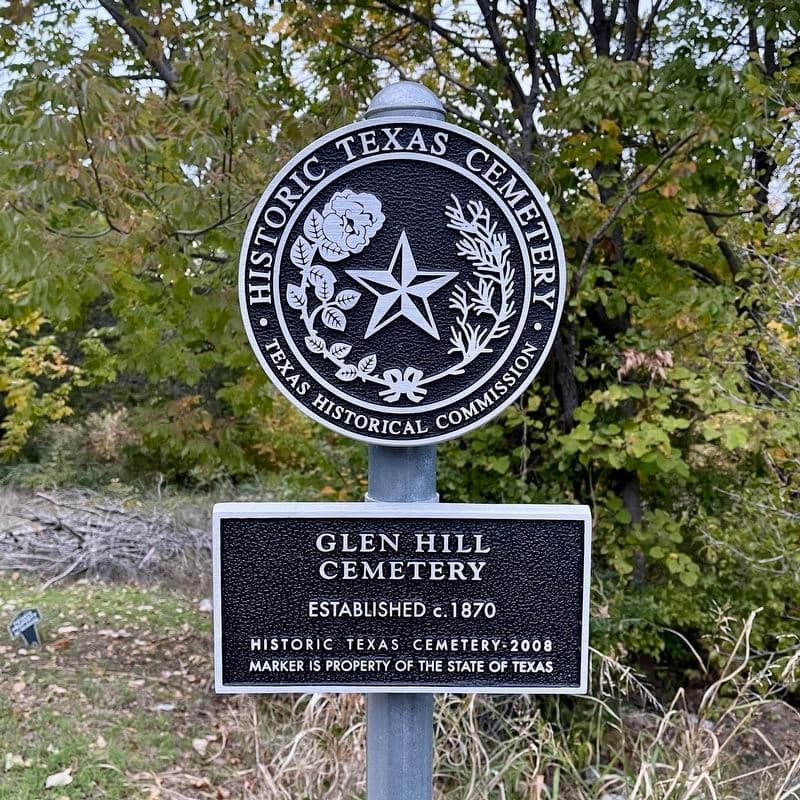
Blackland’s farming past reveals Rockwall County’s rural roots
Blackland’s old gristmill, school and post office trace how Rockwall County shifted from farm settlement to county-seat growth along SH 276.
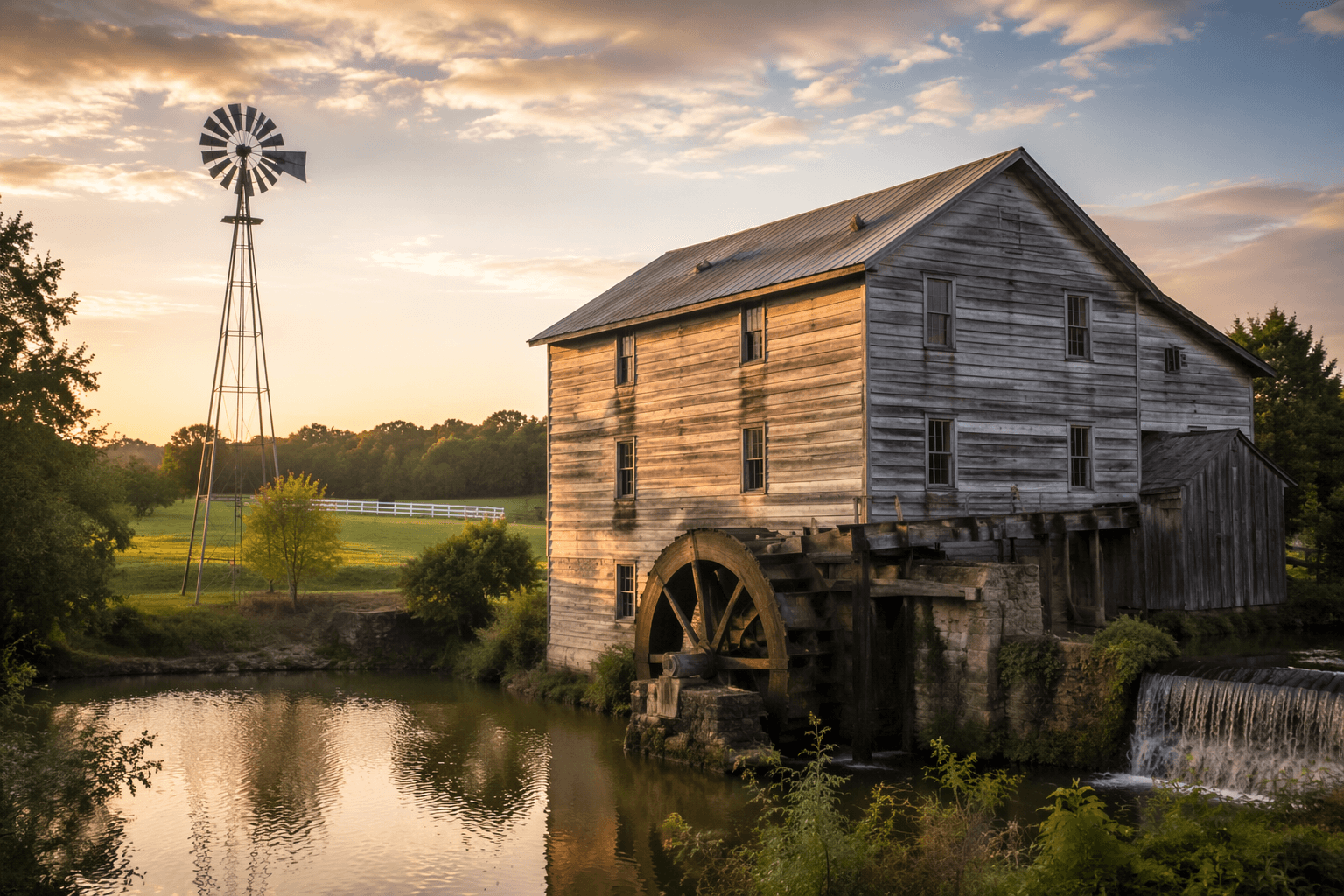
Blackland sits just four miles southeast of Rockwall on State Highway 276, but its history reaches far beyond the roadside. The small settlement grew out of the Texas Blackland Prairies and once worked as a practical farm community, with a post office, a gristmill and crops moving out by the wagonload. Its rise and decline show how Rockwall County’s rural landscape was reshaped long before suburban growth reached the southeast side of the county.
A prairie community with real commercial weight
The Texas State Historical Association places Blackland in central Rockwall County and says it received a post office in 1876. By the 1880s, the settlement had about 125 residents, three businesses and a gristmill, a combination that made it more than a scattered cluster of homes. Local farmers shipped cotton, wheat and oats from the community, tying Blackland directly to the agricultural economy that once defined this part of North Texas.
Blackland’s name is commonly linked to the Blackland Prairies, and that matters because the name fits the land. The fertile prairie soil supported the kind of row-crop farming that depended on milling, shipping and dependable local access to mail and trade. In a county now known for rapid growth, Blackland preserves the older pattern: small places built around fields, not subdivisions.
The school kept the community alive
By about 1900, Blackland’s population had fallen to about 50, but the school still mattered. It employed two teachers and enrolled 79 students, a reminder that a shrinking town could still remain important to families living nearby. That school enrollment also shows how communities in rural Rockwall County were often measured less by storefronts than by the number of children they still drew each day.
The numbers from this period tell a familiar Texas story. A place could lose commercial momentum and still serve as a center for learning, mail and local identity. Blackland’s school record suggests that even as its business life thinned, the community remained part of everyday county life for families who did not simply disappear when the economy shifted.
Why Rockwall grew while Blackland faded
Blackland’s decline makes more sense when set beside Rockwall’s rise. In 1873, the state legislature created Rockwall County from part of Kaufman County, and Rockwall became the county seat. The town was incorporated in 1874, and many residents of nearby Blackland and Heath moved there soon afterward, helping the county seat gather people, institutions and trade.
Rockwall’s momentum kept building. By 1890, the town’s population had climbed to close to 1,000, and residents were served by three churches, a school and about a dozen businesses, including the Rockwall Success newspaper. The Missouri, Kansas and Texas line reached Rockwall in 1886, giving the county seat an advantage that smaller farm settlements could not match. A local history source says Blackland was undercut when the railroad reached other towns in Rockwall County, a clear reminder that transportation routes often decided which communities grew and which ones slowly emptied out.
For Blackland, that shift was decisive. The post office closed in 1903, removing one of the few formal institutions that anchored the settlement. What followed was not an overnight disappearance, but a long fall in population and influence as commerce, mail and movement centered more tightly on Rockwall and the rail-connected towns around it.
The numbers that mark the decline
Blackland’s population stood at 114 in 1904, then dropped to 14 in 1940 before reaching 49 in 1990. Those figures do more than track a fading settlement; they show how rural communities can persist in name long after their original economic role has gone. A place may shrink dramatically and still remain part of county memory, especially when it once fed cotton, wheat and oats into a larger regional market.
That long decline also explains why Blackland is useful for understanding southeast Rockwall County today. Growth in this part of the county did not begin from nothing. It followed older lines of settlement, farm production and county-government centralization that pushed people toward Rockwall and away from smaller communities that once stood on their own.
What to look for along State Highway 276
Blackland is not a preserved village with a preserved main street. What remains is the location itself: a place on State Highway 276 where the county’s farm past once had a working center. If you know the history, the road becomes a marker of what used to be there, from the gristmill and post office to the school that still drew dozens of students after the commercial peak had passed.
That is why Blackland still matters to Rockwall County residents who watch development spread south and east. It explains how a county built on Blackland Prairie farming was gradually reorganized by county-seat growth, the railroad and the pull of Rockwall. Blackland’s story survives because it captures the moment when rural life, mail service, school attendance and crop shipping all fit together in one small place, and then slowly gave way to the county we see now.
This article was produced by Prism’s automated news system from verified source data, official records, and press releases, then run through automated quality and moderation checks before publishing. The system is built and supervised by the people who set the standards it runs under. Read our full AI policy.
Did this article answer your question?