How Heath got its name, from Black Hills to Barnes Bridge
Heath’s name changed with each new layer of settlement, from Black Hill to Willow Springs to Heath, while Barnes Bridge and Lake Ray Hubbard kept redrawing the town’s map.
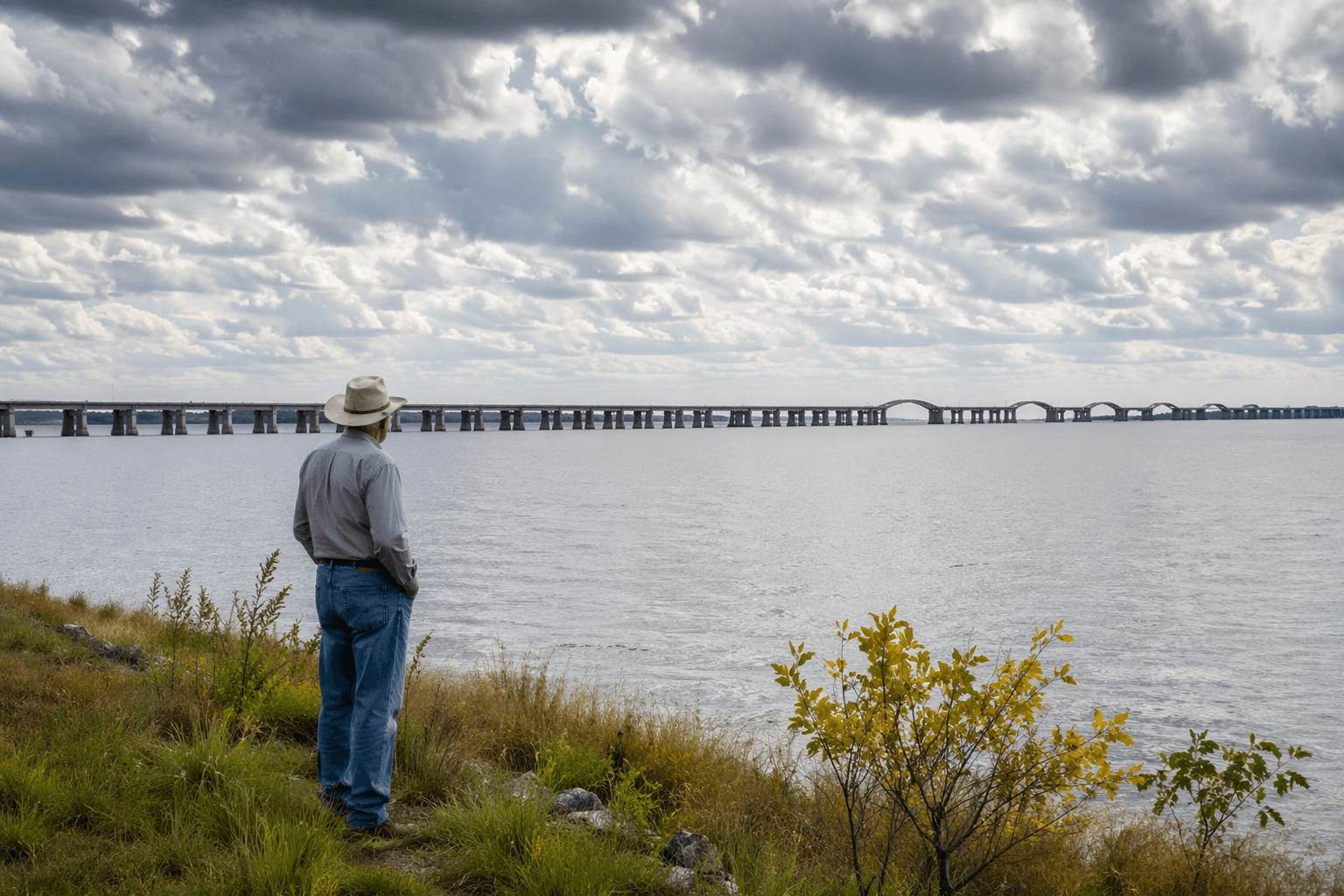
In 1840, the Texas Congress ordered a military route from Austin to the mouth of Kiamichi Creek at the Red River, crossing the East Fork of the Trinity River where Heath stands today. Long before suburban growth reached Rockwall County, that crossing, the bridge, and the land around it had already given the area a sequence of names that still shape how people understand the city now.
From Black Hill to Willow Springs
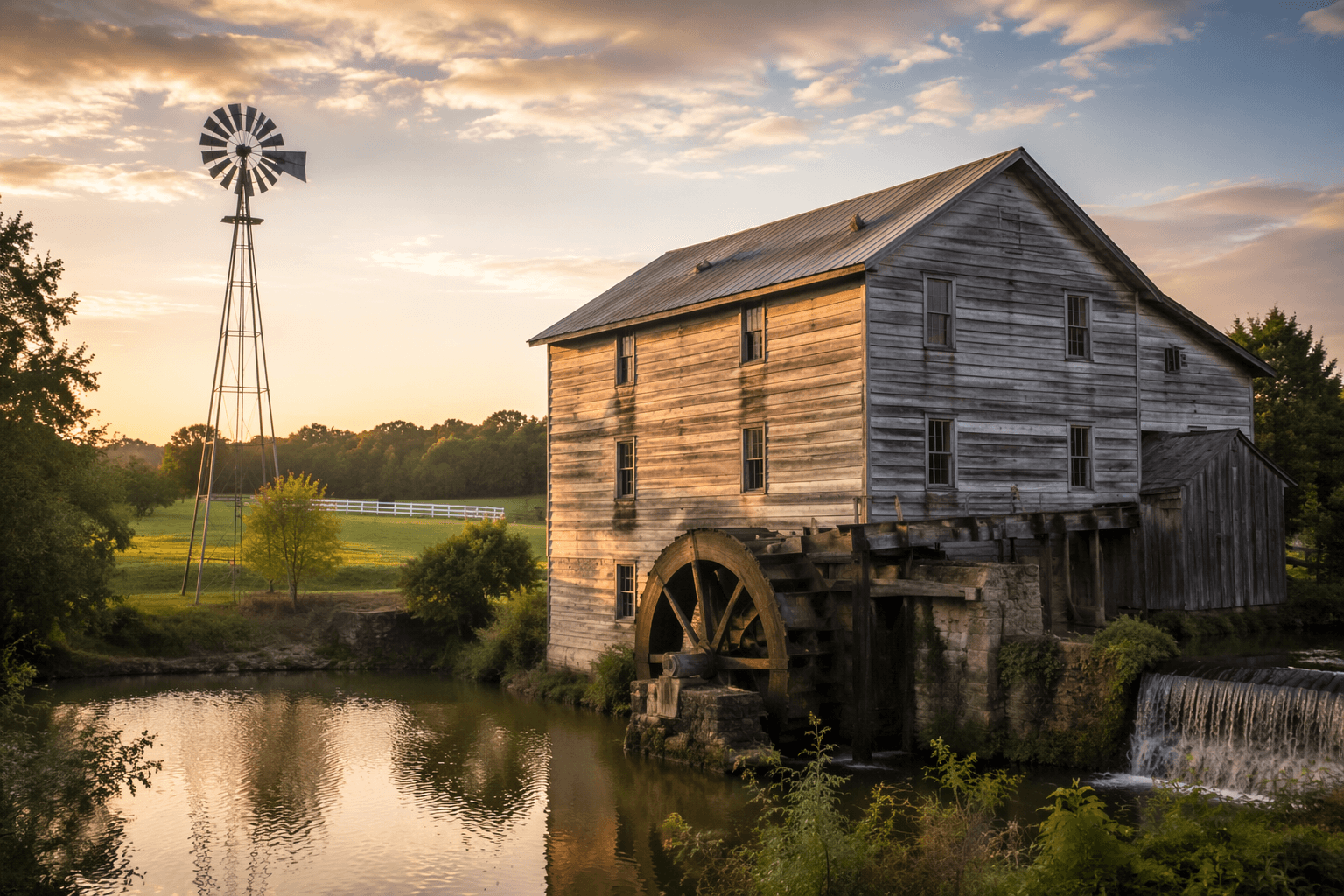
The first name in the record was Black Hill, tied to the black soil, timber, springs, and wildlife that drew early settlers. John O. Heath, one of the earliest settlers, arrived in 1846, and by 1849 the first post office in what is now Rockwall County was established in the Heath cabin under the name Black Hill. The Texas State Historical Association places that post office in the cabin until 1855, while city and county histories place the move to Rockwall in 1854.
After Black Hill came Willow Springs. The willow trees around the springs gave the settlement its next identity, and that name held from the mid-1850s until 1886. In that year, the community became Heath, named for John O. Heath, and received another post office that operated until 1906.
Barnes Bridge and the road that crossed the East Fork
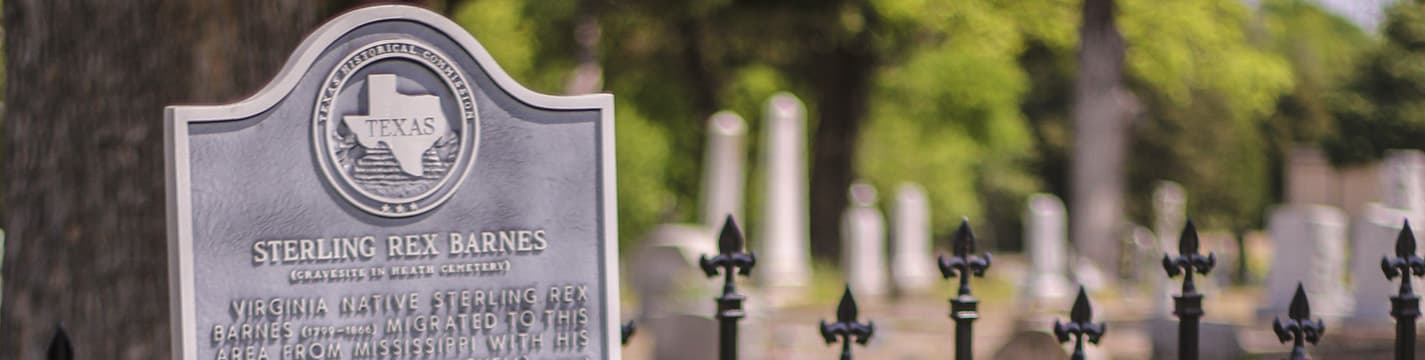
The crossing itself went through several names before Barnes Bridge became the one that lasted. The East Fork crossing was first known as McKenzie’s, then Goodman’s Ferry, before Sterling Barnes bought out Goodman in 1854 and began operating the toll bridge that became known as Barnes Bridge. That bridge tied the area into the broader movement of the 1840 Republic of Texas Military Road, and it helped turn a river crossing into a point of settlement, travel, and trade.
Rockwall County later assumed operation of Barnes Bridge, and the name remained embedded in local memory even after the road itself disappeared under water. When Lake Ray Hubbard was created in 1969, the old Barnes Bridge Road was covered, changing access patterns and helping spur a new round of development.
A small town with a school, gins, and a hard reset
By the late 19th century, Heath was no longer just a crossing on a map. The Texas Almanac lists a population of 75 and five businesses in 1892. By 1898, it lists a one-room school serving 56 students, and by 1902, four cotton gins. That same year, the Heath Independent School District was formed, and a new school building went up on the site tied to today’s Heath City Hall complex.
A circa 1913 image of that early school from Austin Wells shows a building west of the present-day City Hall site that taught students from first through tenth grade. Children were warned by a bell when buffalo ran through what is now Darr Estates.
Then came the fire. In 1916, a blaze destroyed many of Heath’s buildings, the first of three fires that slowed growth. Growth stalled, younger residents left for work in larger cities such as Dallas, and by the postwar era Heath had settled into a smaller place than the early roads and bridges might have suggested.
How the old names still shape the city
By 1970, the city’s population history puts Heath at 520. The creation of Lake Ray Hubbard in 1969, which covered the old Barnes Bridge Road, helped change the pace and character of growth as land values rose and newcomers arrived for rural living with lakeside access. By 1980, the city’s population history puts Heath at 1,459, triple the 1970 total.
That growth did not erase the old names. Black Hill survives in the historical record as the first postal name. Willow Springs marks the years when the springs and willows defined the settlement more than any civic boundary did. Heath ties the town to one of its earliest settlers and to the modern city that grew around the East Fork crossing, the school site near City Hall, the road that became Barnes Bridge, and the lake that later covered it.
This article was produced by Prism’s automated news system from verified source data, official records, and press releases, then run through automated quality and moderation checks before publishing. The system is built and supervised by the people who set the standards it runs under. Read our full AI policy.
Did this article answer your question?