Phelps Lake Park offers fishing, paddling and walking in Rockwall
Phelps Lake Park gives Rockwall an easy cast, paddle and walk near home, with trail links that make it a simple everyday outing.
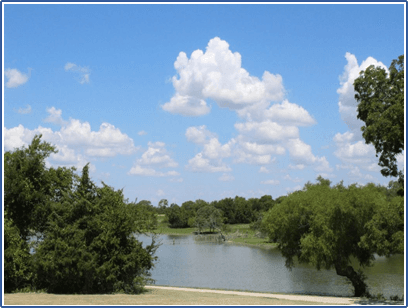
Phelps Lake Park is one of Rockwall’s most practical outdoor stops: a place for a quick fishing trip, a short paddle, or a walk that does not require much planning. The city calls it a “best kept secret,” and the setup makes clear why, with a kayak launch, fishing pier, running trail, benches, and water that regularly holds largemouth bass, crappie, catfish and sunfish.
A small park built for everyday use
Phelps Lake Park works because it is easy to use in ordinary life. The fishing pier, kayak launch and running trail give it three different ways to spend an hour outside, whether the goal is to cast a line before work, launch a kayak for a brief session, or take a neighborhood walk with a view of the water. The benches matter too, because they make the park useful for people who want to linger without turning the trip into a full outing.
That low-friction design is part of the park’s appeal. Phelps is not trying to compete with Rockwall’s larger destination spaces; it serves the quieter, repeatable kind of recreation that residents can fit into a weekday evening or a weekend morning. For families, it is a simple place to stop. For solo visitors, it is a low-cost way to get on the water or onto a trail without leaving town.
What people actually do there
The clearest draw is the water itself. Rockwall identifies largemouth bass, crappie, catfish and sunfish as the fish visitors are most likely to find at Phelps Lake, which gives the park a specific identity instead of a vague promise of “nature.” That kind of detail matters to anglers because it tells them what to expect before they arrive, and it makes the park useful for both casual fishing and a more deliberate trip.
The kayak launch adds another layer of utility. Local coverage at the park’s opening described the launch as the first of its kind in North Texas, and the city’s design choices made the water accessible in a very literal way. Andy Hesser, then Rockwall’s recreation manager, also said wheelchair users could fish from the pier, which shows the park was built to serve more than one type of visitor and more than one level of mobility.
How Phelps fits Rockwall’s trail network
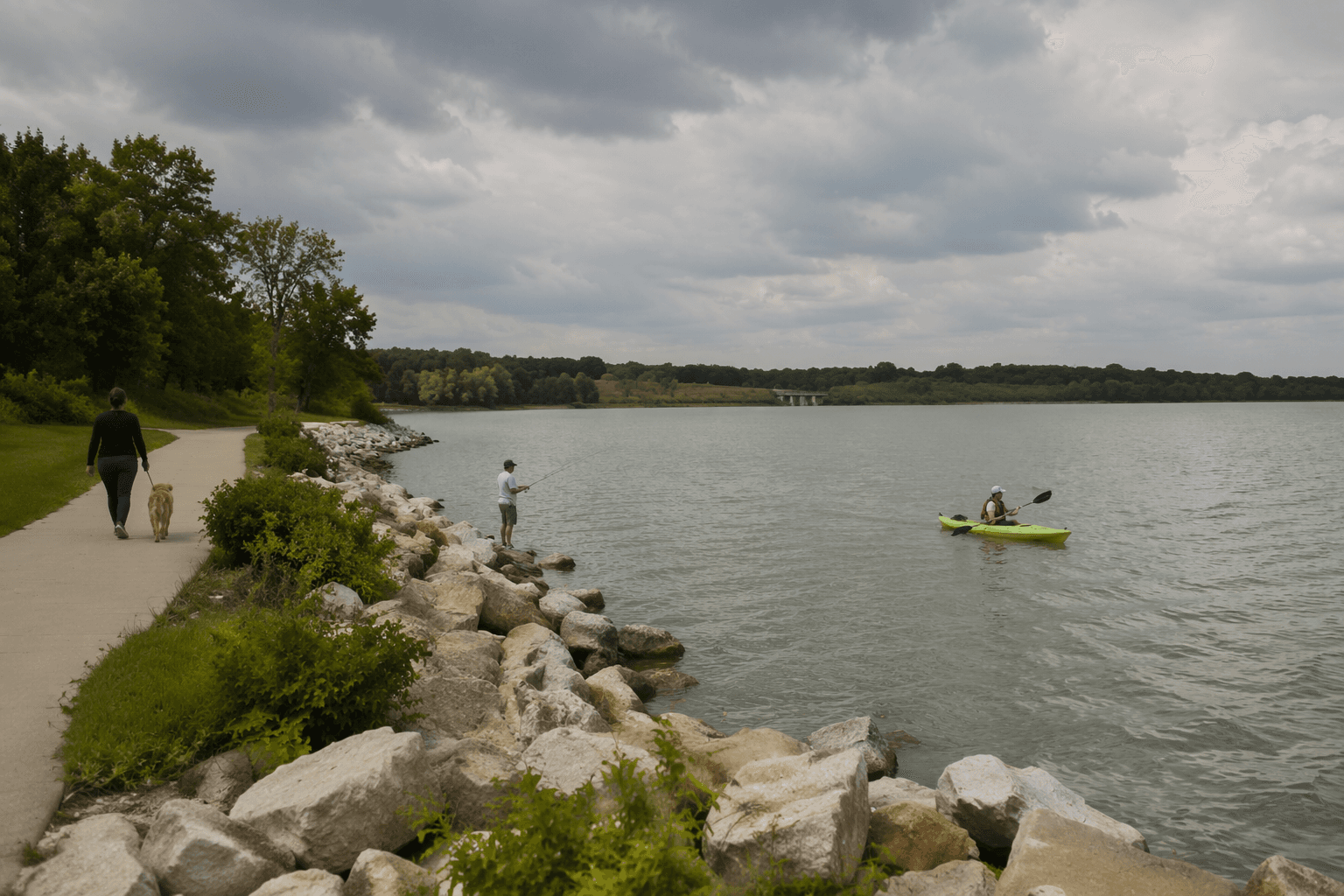
Phelps is more valuable because it is not isolated. Rockwall’s parks and trails system connects it to a broader pattern of everyday routes, including “Squabble to Phelps to Harry Myers and back,” a concrete example of how residents can string together park visits into a longer loop. The city says it has more than 20 miles of trails, and about 60% of residents live within a half-mile of a park or trail, which helps explain why a place like Phelps functions as part of normal local movement rather than as a special trip.
The park also sits within a mapped network that includes the Lakes of Squabble Creek trail and links toward Harry Myers Park, The Harbor and Raymond Cameron Lake. On the city’s trail map, Phelps appears as a connector point in the Park Trails, Street Trails and Neighborhood Trails system. That makes it useful for people who want to walk, run or ride between destinations instead of driving to every stop.
For Rockwall residents, that kind of connectivity is the point. A park with a kayak launch and fishing pier is useful on its own. A park that also plugs into the city’s trail grid becomes part of daily exercise, school-adjacent walks and short outings that do not require a big time commitment.
Why the design still stands out
Phelps Lake Park opened in February 2015 on Rockwall’s north side, and it came with a modest price tag of $72,000. The money came from proceeds from residential developers required under Rockwall’s Mandatory Park Land Dedication Ordinance, which ties the park directly to the city’s growth and development patterns. That funding source matters because it shows the park was not an afterthought; it was built into the way Rockwall manages expansion.
The site also has a clear accessibility story. The fishing pier includes a lower level for kids and is wheelchair accessible, while the boat launch was designed to make it easier to enter kayaks and canoes. Those details help explain why the park has retained value well beyond its opening year. It is not just a scenic asset. It is a functional one, built around use cases that matter to families, anglers and people with mobility needs.

A different role from Rockwall’s showpiece spaces
Rockwall has larger, more visible places that draw attention, including The Harbor. Phelps Lake Park fills a different lane. It is the place for a quick cast, a short paddle or a walk along the water without the crowds or the planning that often come with bigger civic destinations. That distinction makes it especially useful for residents who want a reliable outdoor stop close to home.
The park’s trail connection to Raymond Cameron Lake reinforces that role. Instead of standing alone as a single attraction, Phelps works as part of a linked north Rockwall recreation corridor. That is why it fits so naturally into a guide for daily use: it is easy to reach, easy to understand and easy to repeat.
What comes next for Rockwall’s trail system
Phelps also sits inside a city that is still thinking about where trails should go next. Rockwall continues to discuss a trail master plan aimed at identifying future trails, sidewalks and hike-and-bike connections, including links to surrounding cities. That means Phelps is part of a network that is still evolving, with its value shaped not only by what is already built but also by the routes that may connect to it later.
For now, the park’s case is straightforward. It gives Rockwall a fishable lake, a paddle launch, a walkable path and a place to sit, all tied into a trail system that reaches across the city. In a county seat where many outdoor spaces serve special events or larger crowds, Phelps Lake Park remains one of the simplest ways to spend time outside in Rockwall.
This article was produced by Prism’s automated news system from verified source data, official records, and press releases, then run through automated quality and moderation checks before publishing. The system is built and supervised by the people who set the standards it runs under. Read our full AI policy.
Did this article answer your question?