Chinatown Coalition Buys Empress of China Building for Cultural Campus
After a 15-year standoff with a reluctant seller, a Chinatown nonprofit bought the landmark Empress of China building at 838 Grant Ave. to create a Chinese American museum and cultural campus.
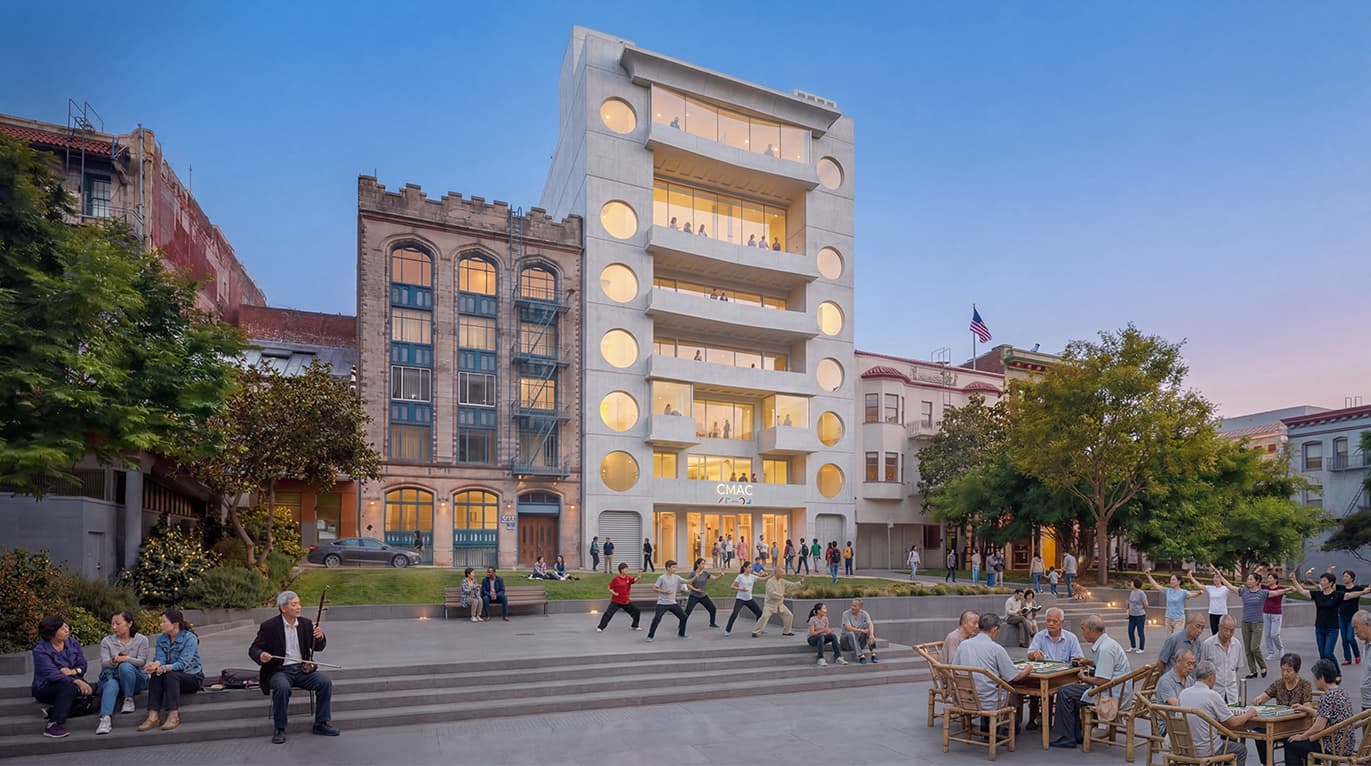
The banquet hall on the fifth floor of 838 Grant Avenue once fed generations of Chinese-American families through weddings, graduations, and Lunar New Year dinners before the Empress of China restaurant closed in 2014 after nearly half a century. For more than a decade, that floor sat mostly dark above Chinatown's busiest block. Last week, after a 15-year standoff with the building's investor owner, the Chinatown Media and Arts Collaborative finalized a purchase that its leaders describe as the neighborhood's most consequential act of cultural self-determination in a generation.
CMAC, a coalition of six San Francisco nonprofits, announced the acquisition of the 62,000-square-foot building on April 1 and unveiled its campus vision the following day with Mayor Daniel Lurie and Supervisor Connie Chan in attendance. The deal closed after years of failed negotiations with real estate investor John Yee, who had purchased the property for $17.25 million in 2016 and proved reluctant to sell. A breakthrough came in 2024, when the Rose Pak Community Fund, whose leadership overlaps substantially with CMAC, held its annual event inside the building. The final sale price was not disclosed; Mabel Teng, CMAC's co-executive director and a former San Francisco supervisor, said confidentiality was a condition of the agreement.
The campus plan centers on a museum focused on Chinese American history nationwide, with gallery space occupying the first and second floors. Architecture firm Gensler has already produced renderings showing floor-to-ceiling windows on every level and a redesigned ground floor that would cut a public thoroughfare through the building from Grant Avenue directly to Portsmouth Square, just a block away. The property carries a conditional restriction limiting CMAC's use of the space to a public cultural destination.
To lead programming and fundraising for the museum, CMAC enlisted Jay Xu, former director of San Francisco's Asian Art Museum, who also sits on a national commission studying the creation of an Asian American history museum in Washington, D.C. Two existing tenants, the Michelin-starred Empress by Boon on the top floor and the dim sum restaurant City View, will remain open at least through the duration of their current leases.
"The purchase of the Empress of China Building powers an expanded vision of community ownership, bringing hope and fortitude to immigrant communities longing for a place to call home," Teng said in the group's announcement. She was direct about the difficulty ahead: "We need a lot of planning to make sure this vision will be realized and sustained. We don't want to buy the building and then do something mediocre. We want to do something really fun and exciting."
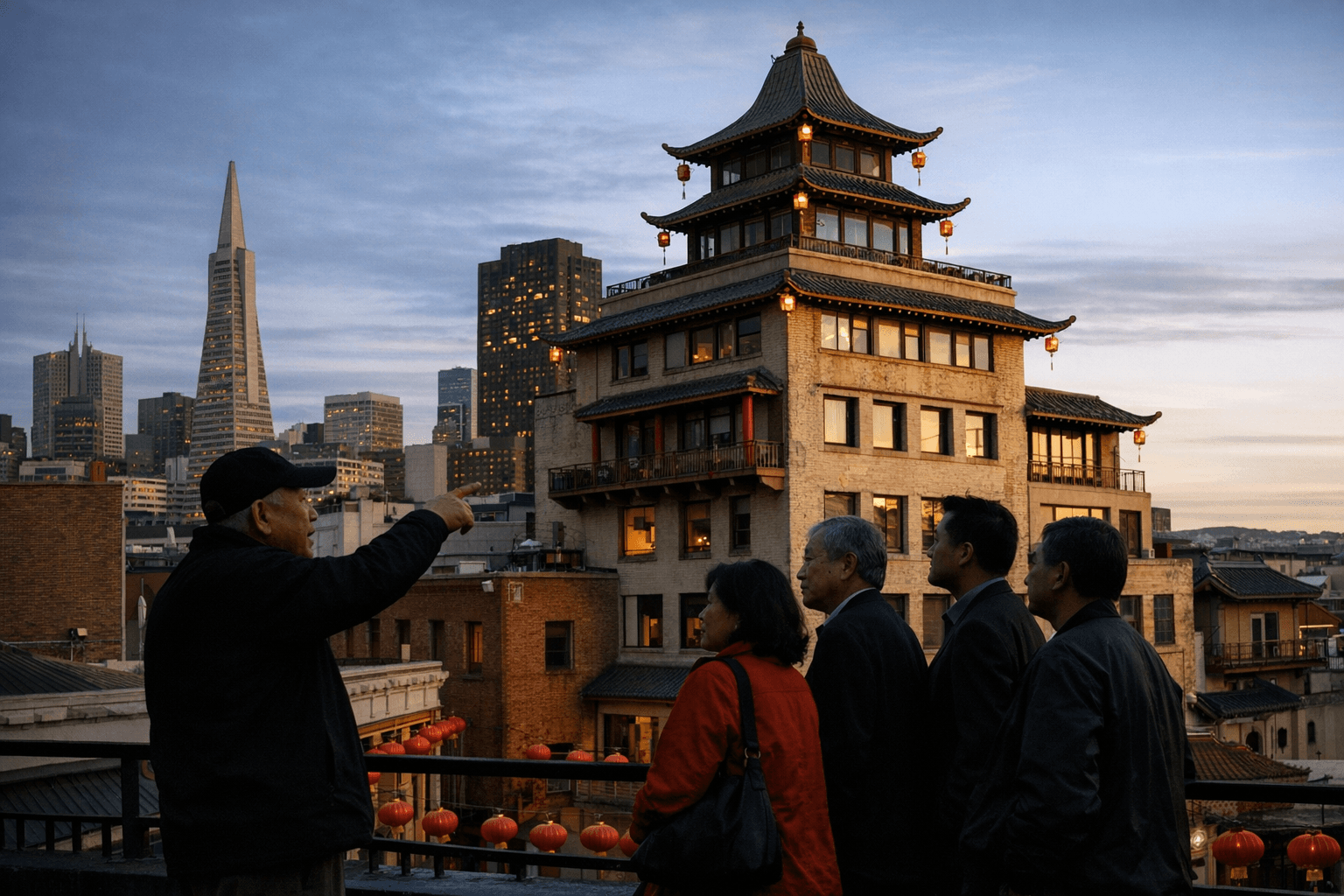
Malcolm Yeung, executive director of the Chinatown Community Development Center and a CMAC board member, tied the museum to the corridor's economic future. "It's going to be a beacon for visitors and tourists to come to Chinatown to understand our story," he said. "A platform for us to tell our story."
The acquisition gives CMAC a second anchor along Grant Avenue. Its flagship project, Edge on the Square at 800 Grant, was developed with $26.5 million in state funding. Together, the two buildings would form a connected stretch of community-owned cultural infrastructure along a corridor that has lost significant foot traffic since the pandemic.
A renovation start date has not been announced, and fundraising for the buildout is still in the planning stages. CMAC said costs will be addressed through phased development and outside partnerships, but no construction timeline or operational budget has been released publicly.
This article was produced by Prism’s automated news system from verified source data, official records, and press releases, then run through automated quality and moderation checks before publishing. The system is built and supervised by the people who set the standards it runs under. Read our full AI policy.
Did this article answer your question?