Seven protesters face trial over 2024 Golden Gate Bridge shutdown
Seven activists faced felony trial over the Golden Gate Bridge shutdown, a case that could bring 14 to 15 years in prison after a four-hour blockade trapped more than 200 people.
A four-hour shutdown of the Golden Gate Bridge that trapped more than 200 people and cost the district up to $162,554 in toll revenue has become one of San Francisco’s most closely watched protest cases, with seven defendants facing felony charges that could bring 14 to 15 years in prison.
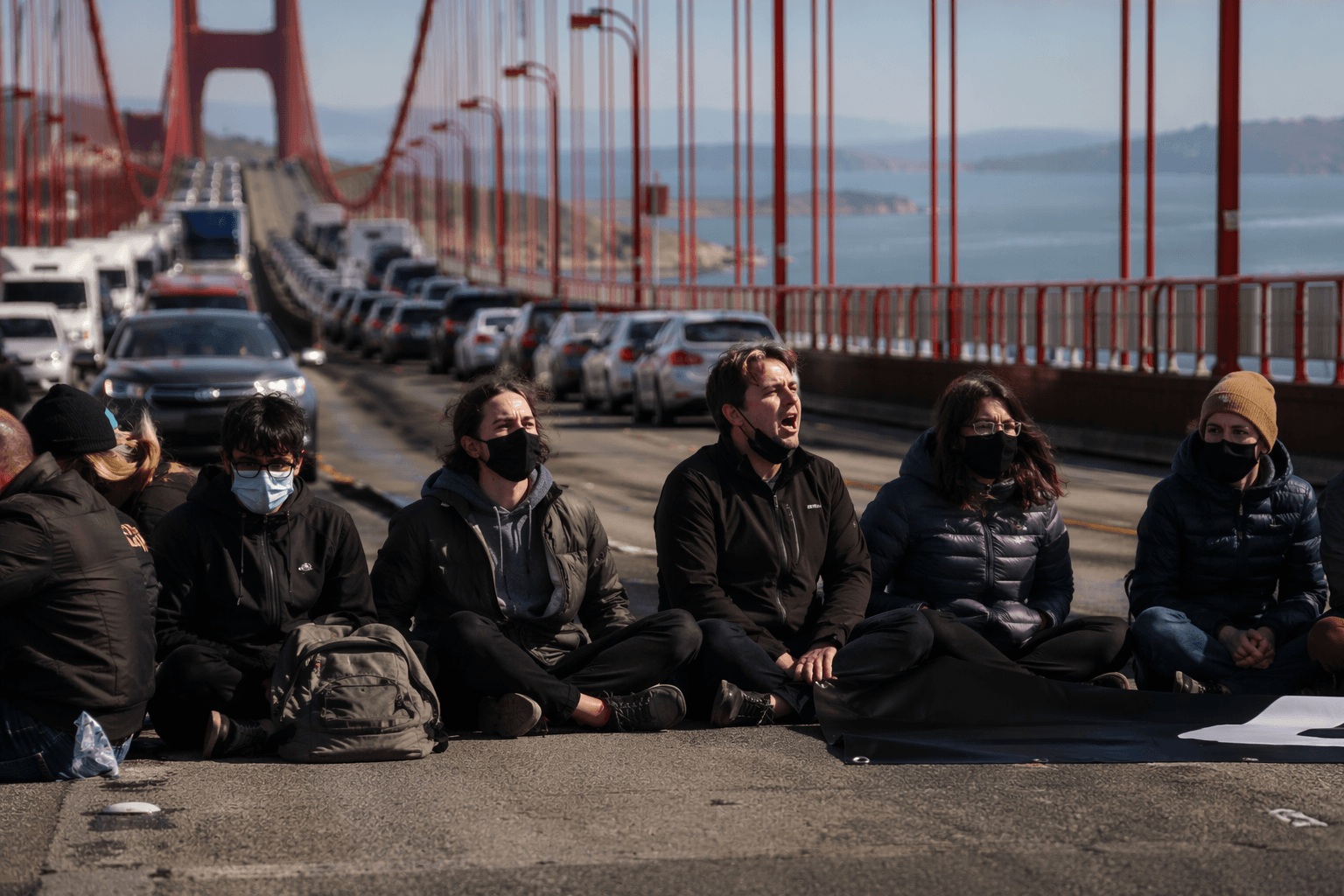
The protest took place just before 8 a.m. on April 15, 2024, when a group of demonstrators parked vehicles in the southbound lanes and blocked all southbound traffic, according to the Golden Gate Bridge, Highway and Transportation District. Officials said several protesters used metal devices to attach themselves to vehicles and to one another, turning one of the region’s most visible spans into a standstill that lasted about four hours. More than 200 people were impacted or trapped during the closure, an episode that commuters across the Bay Area still remember as a sudden interruption on a route that carries thousands of daily crossings.
San Francisco prosecutors initially charged 26 protesters with 44 criminal counts. By November 2024, a judge had dismissed 32 of those charges, and one defendant’s case was thrown out entirely. The seven remaining defendants still faced felony conspiracy charges along with false imprisonment and trespassing to interfere with a business, keeping the case alive even after much of the original indictment had fallen away.
The defense has argued that the case should be reduced to misdemeanors and has also challenged the California Highway Patrol’s handling of the investigation, saying the agency violated First Amendment rights by obtaining a warrant for protesters’ social media accounts. San Francisco Judge Brendan P. Conroy rejected that request in March, clearing the way for the trial to proceed on the felony counts.
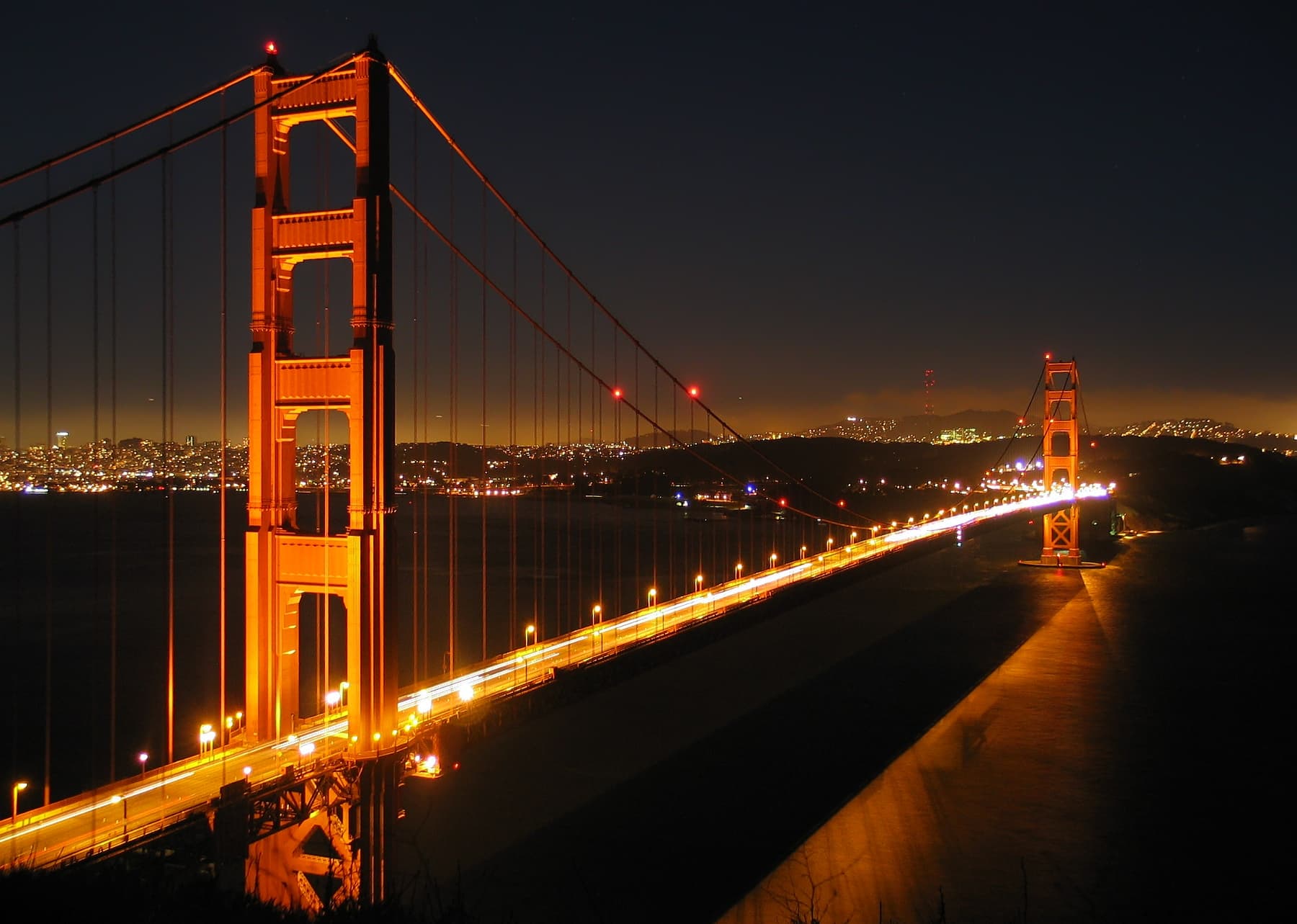
The Golden Gate Bridge district has defended seeking restitution, saying the criminal justice system allows recovery for losses caused by the shutdown. Activists, by contrast, have argued that the bridge closure was a form of political protest tied to Israel’s war in Gaza and necessary, in their view, to save Palestinian lives. That clash places San Francisco in a familiar but newly stark position: balancing the city’s long history of disruptive dissent against the public-safety and transportation costs that come when a major artery like the Golden Gate Bridge is brought to a halt.
Know something we missed? Have a correction or additional information?
Submit a Tip