Video shows kiva restoration at Aztec Ruins National Monument
A video from Aztec Ruins shows work inside the Great Kiva, a sacred Chacoan structure in San Juan County. The monument draws 48,000 visitors a year.
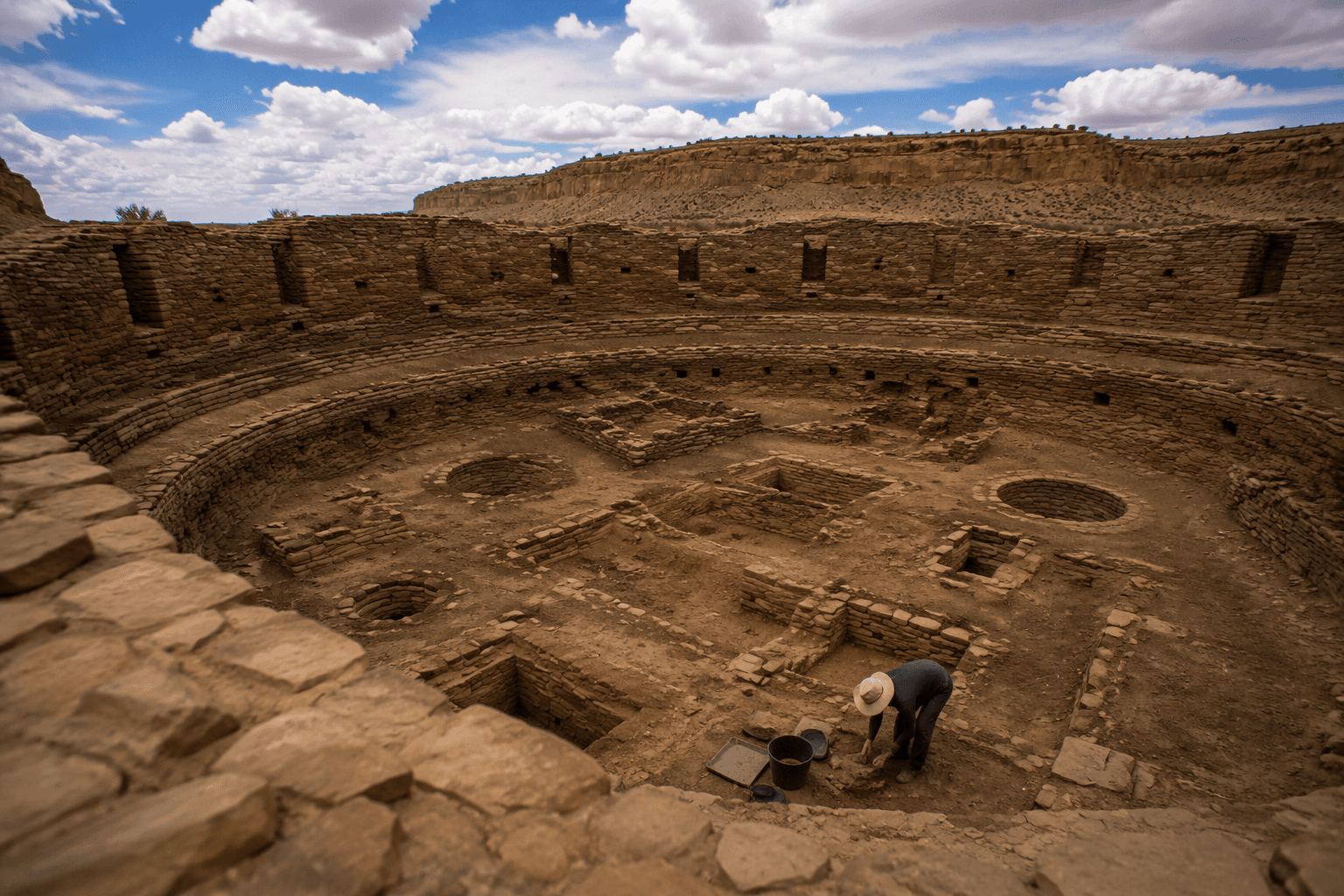
A video from Aztec Ruins National Monument shows restoration work on the Great Kiva in Aztec, one of San Juan County’s best-known historic sites and one of New Mexico’s best-preserved Chacoan structures.
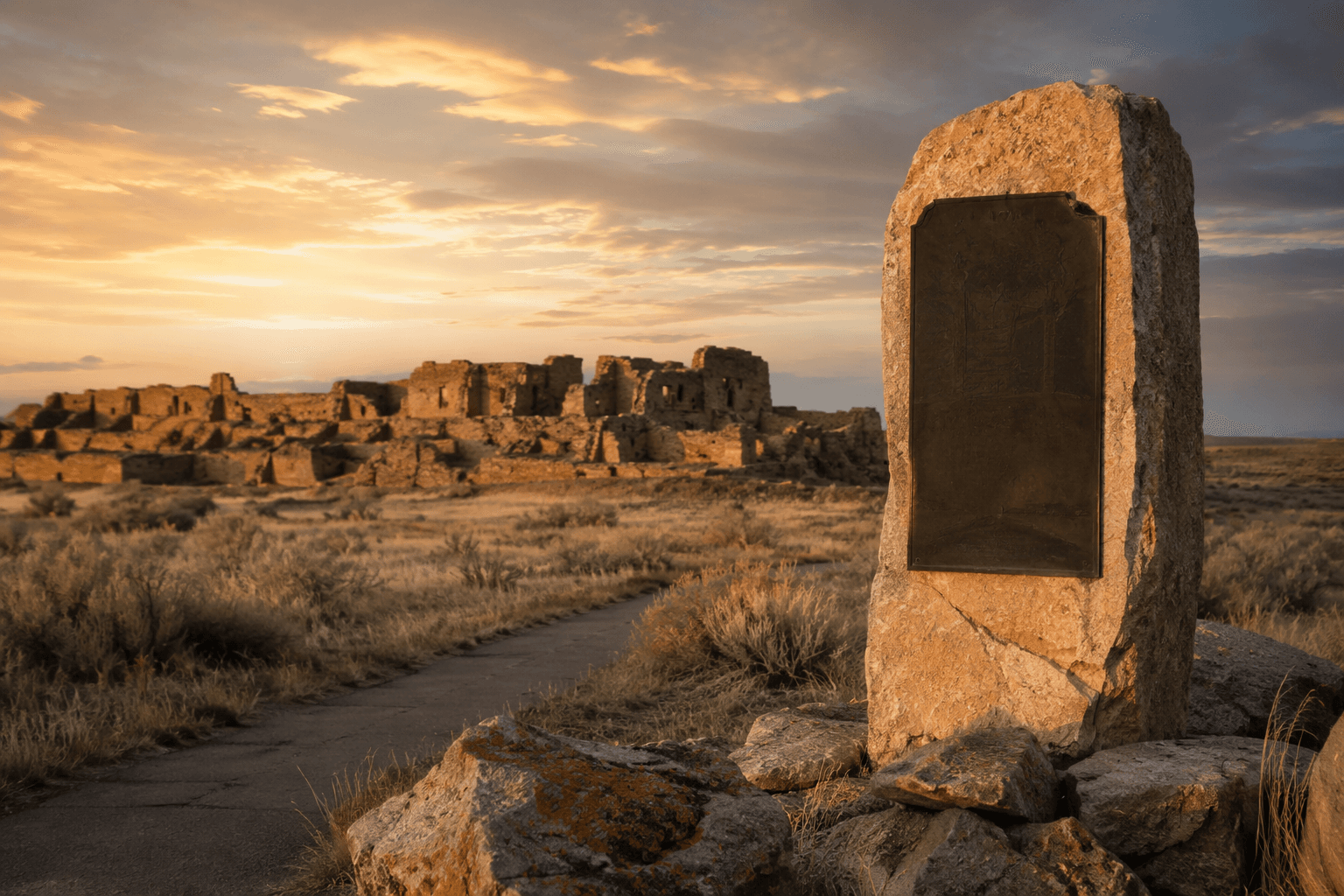
The monument was established Jan. 24, 1923, in northwest New Mexico, and the West Ruin includes a restored Great Kiva that the National Park Service describes as an exceptionally advanced architectural feature. Park materials also say Aztec Ruins is deeply sacred to many Indigenous peoples across the American Southwest, and visitors can learn about ancestral Pueblo people in the park museum while viewing original wooden beams in the great house.
The Great Kiva restoration was Earl Morris’ last major project at the site, and it took about six months. A 1946 National Park Service brochure already identified a restored Great Kiva as part of the visitor experience, showing how long the feature has helped shape the way people encounter the monument. Over time, the park has also served as a heavily used testing ground for preservation substances and methods, part of the long effort to hold the ruins together against water and other threats.
That stewardship matters in a place that still draws steady public use. The monument’s 2024 infrastructure factsheet lists 48,000 annual visitors and $4.1 million in economic output for New Mexico. It also records the park’s day-to-day footprint: 10 buildings, 3 miles of trails, 2 miles of unpaved roads, 1 water system, 1 wastewater system and 2 housing units, along with 22 other assets.
For residents in Aztec and across San Juan County, the restoration is part of protecting a site that carries both cultural weight and economic value. For visitors, the work centers attention on the Great Kiva itself, a structure the National Park Service places at the heart of the monument’s interpretation of ancestral Puebloan life and architecture.
This article was produced by Prism’s automated news system from verified source data, official records, and press releases, then run through automated quality and moderation checks before publishing. The system is built and supervised by the people who set the standards it runs under. Read our full AI policy.
Did this article answer your question?