Enger Tower offers sweeping Lake Superior views and immigrant legacy
Enger Tower turns a Lake Superior overlook into a living immigrant memorial, with a 105-step climb, seasonal access, and Duluth's most enduring civic gift.
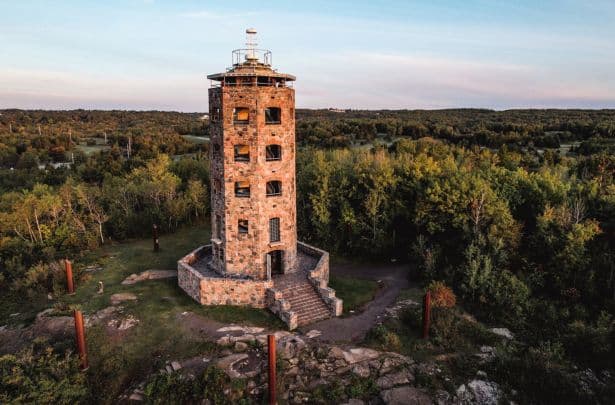
Enger Tower gives you three things at once: a high perch over Lake Superior, a direct view of Duluth and Superior, and a reminder that one immigrant’s generosity still shapes the city’s identity. The landmark rises above Enger Park as both a lookout and a memorial, which is why it remains one of St. Louis County’s most durable tourism assets.
A view that defines the hillside
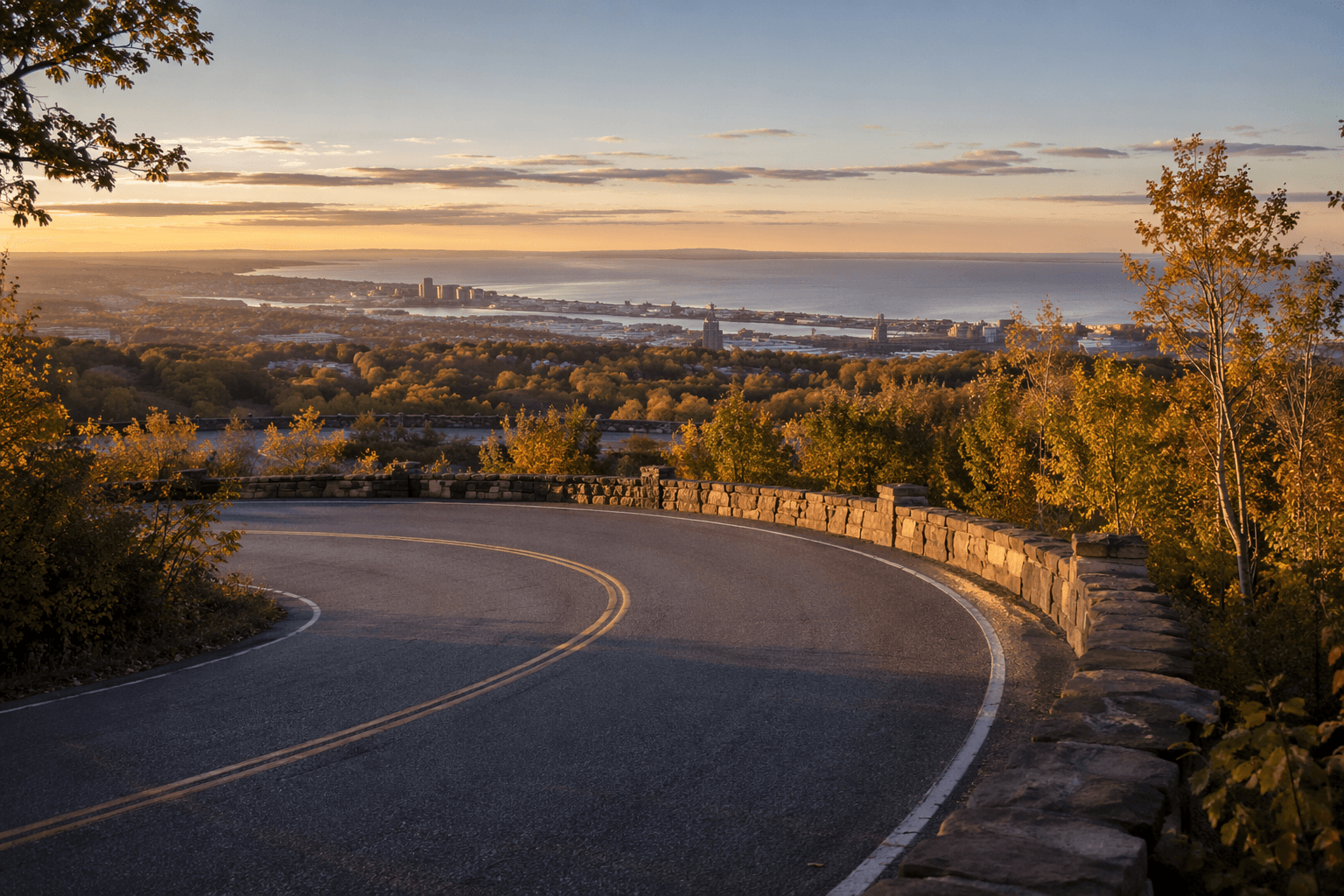
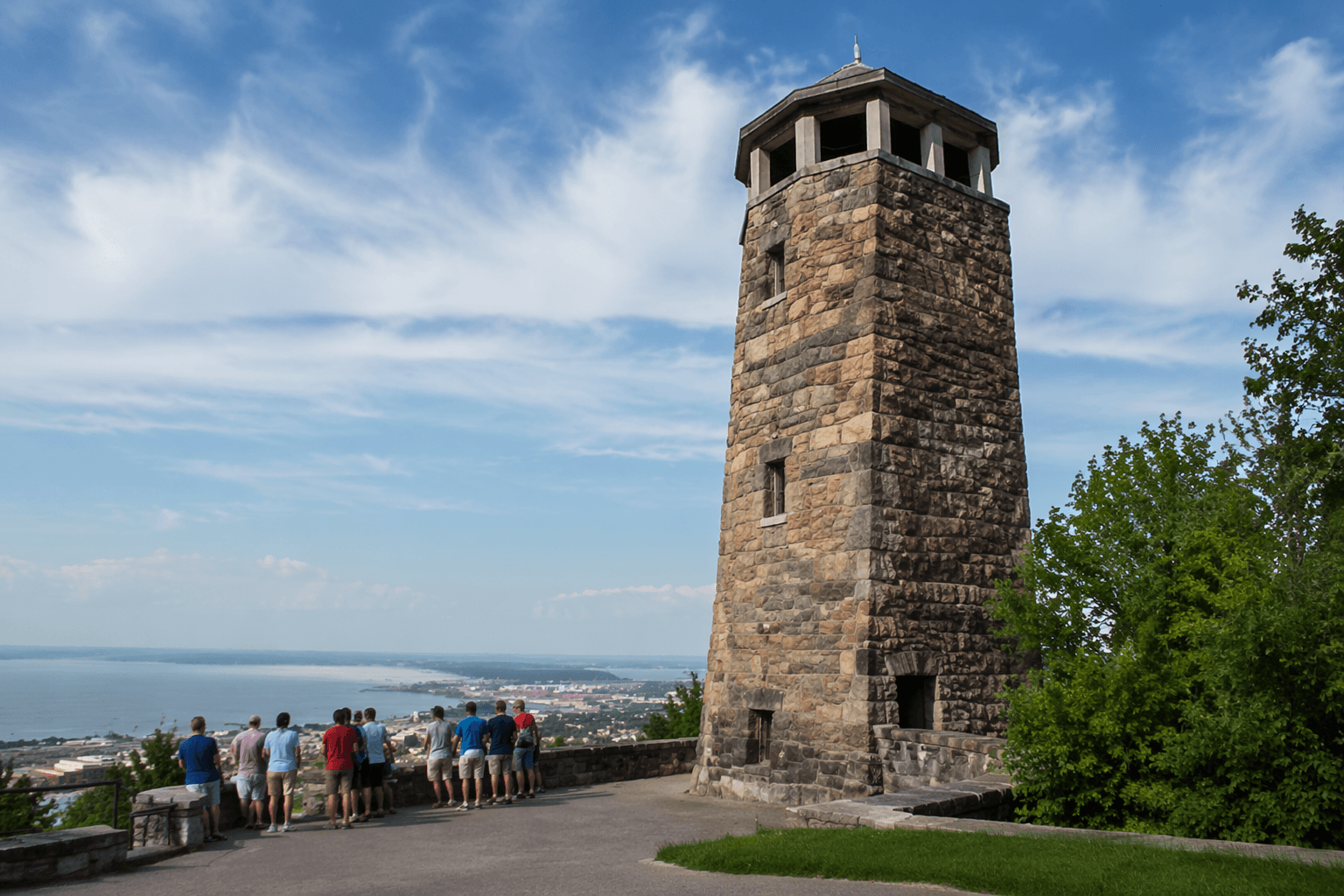
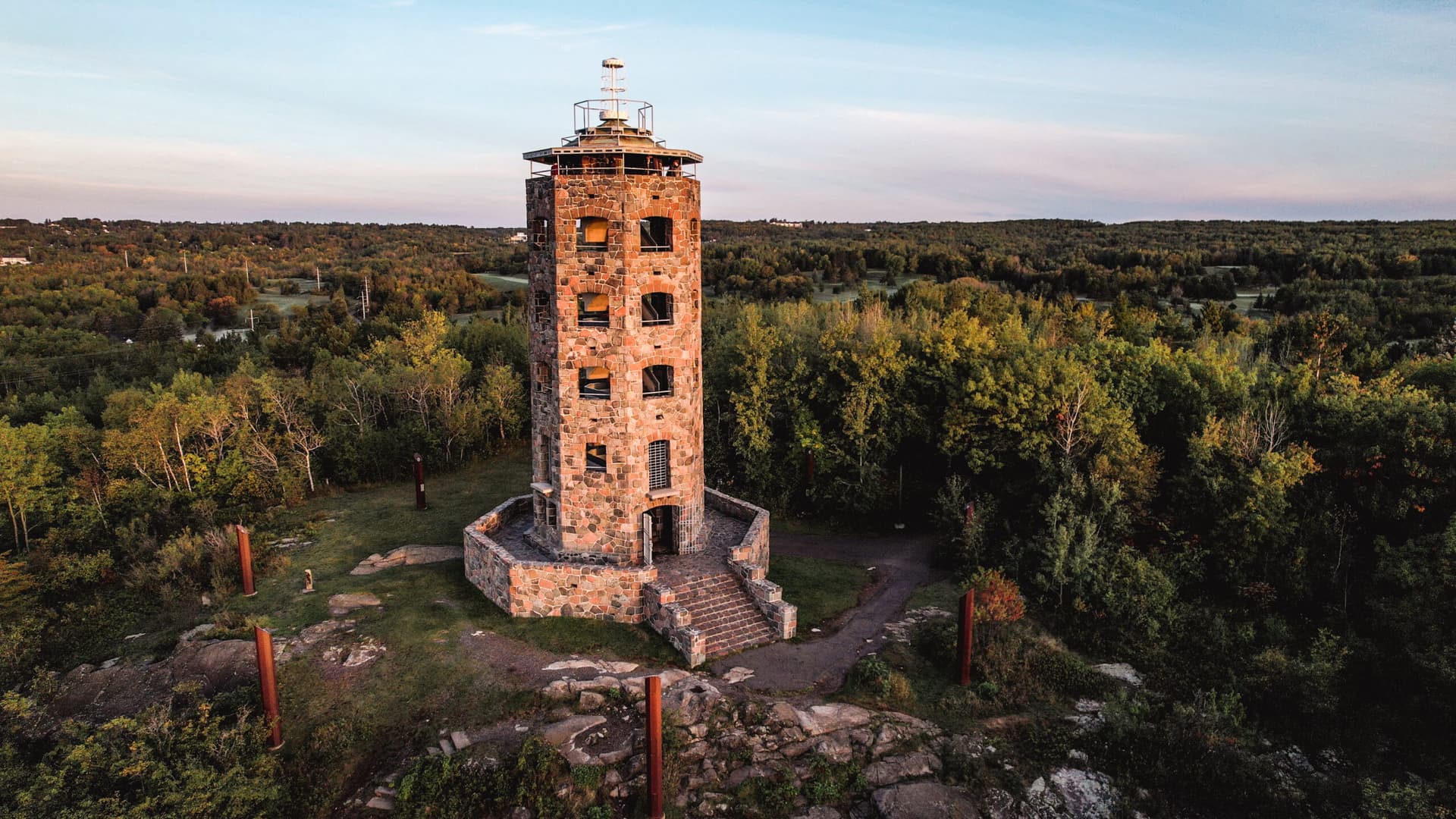
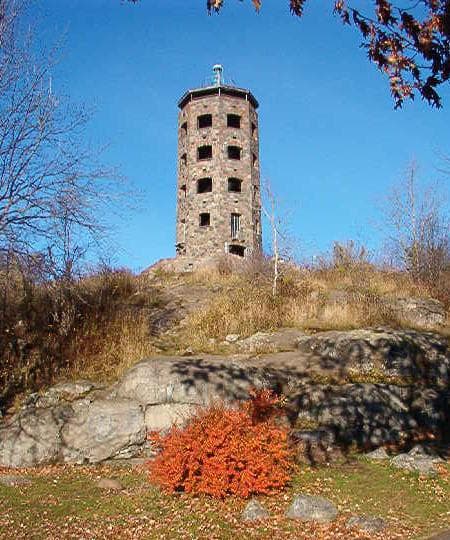
Visit Duluth describes Enger Tower as an 80-foot bluestone tower, while city materials call it a five-story blue-stone observation tower set at an elevation of 531 feet above Lake Superior. Another current visitor guide says the tower sits 451 feet above the lake and can offer a 31.4-mile view on a clear day. However the figures are framed, the point is the same: this is not a casual scenic stop but a true overlook where the shoreline, the hilltop, and the Twin Ports all come into focus.
From the top, visitors can take in Lake Superior itself, the cities of Duluth and Superior, and stretches of both Minnesota and Wisconsin. That broad sweep is part of what makes the tower so closely tied to local identity. It lets you see, in one frame, the geography that shaped Duluth’s growth, from the harbor to the ridge above it.
The immigrant story behind the stone
The tower’s strongest human story begins with Bert Enger, who arrived in the Midwest at age 13 as a Norwegian immigrant. He later built a successful furniture business in West Duluth and used that success to shape public space in the city he helped make his home.
In 1920, Enger made an anonymous $50,000 donation to help the city buy land on what had been called Grand Mountain. After his death in 1931, he left two-thirds of his estate to the city for park development, and his will included more money for the project. The result was not simply a donation to build a monument. It was a plan for land, views, footpaths, and a lookout tower that would remain open to the public.
The land for Enger Park was bought in 1921, and the tower was built in 1939 in Enger’s honor. The stone came from the site itself, tying the structure to the hillside rather than placing a separate object on it. That detail matters: the tower feels native to the place because, in a literal sense, it is.
Norway’s royal connection
Enger Tower also carries a rare international thread. It was dedicated on June 15, 1939, by Crown Prince Olav and Princess Martha of Norway, linking the Duluth landmark to Enger’s Norwegian roots and to the city’s long Scandinavian heritage. In 2011, King Harald V and Queen Sonja returned to rededicate the tower, giving the site a modern royal bookend.
City materials say the rededication was meant to honor the tower’s history and Duluth’s connection to Norway. That continuity is part of why the site functions as more than a photo stop. It is a civic landmark, a memorial to immigrant philanthropy, and a visible link between Duluth and a homeland that still figures in the city’s public memory.
Enger Park beyond the tower
The tower is the headline attraction, but Enger Park itself gives the site a wider civic role. The park includes the American-Japanese Peace Bell, a gift from Duluth’s sister city of Ohara-Isumi, along with walking paths, picnic space, a pavilion, gardens, and permanent summer restrooms. It is also a popular location for weddings, which adds a more personal layer to a place already rich with public meaning.
The adjacent golf course, with three championship nines, extends the park’s reach as a recreation destination. At the same time, the Peace Bell gives the park a modern symbolic function. In 2011, Duluth Sister Cities International, Mayor Don Ness, and others struck the bell to pray for world peace and remember the victims of 9/11 and the earthquake and tsunami in northeastern Japan. That makes Enger Park a site of local leisure, civic ceremony, and international solidarity all at once.
What to expect when you visit
Enger Tower has 105 steps, so the climb is part of the experience. It is also a seasonal stop: the tower is open from May 1 until mid-October, or until snow arrives. That schedule makes the site feel tied to the rhythm of Duluth’s weather, with the best visits often coming when the lake view is clear and the skyline is unobstructed.
The location also sits within the broader Skyline Parkway and city-park system, which is why many visitors pair it with other scenic drives and overlooks. If you are planning a stop, think of Enger Tower as part of a larger Duluth route rather than an isolated destination. It works especially well as a place to pause, look out over the harbor and lake, and understand how the city’s topography shapes daily life.
- Best for clear days when Lake Superior, Superior, and the Twin Ports are visible together
- Expect a climb of 105 steps to reach the top
- Plan for seasonal access from May 1 through mid-October, weather permitting
- Pair the visit with a walk through Enger Park, the Peace Bell, or nearby Skyline Parkway viewpoints
Why the landmark keeps getting renewed
Enger Tower’s durability is not accidental. In 2014, Duluth marked the 75th anniversary of Enger Tower and Enger Park with a community cleanup, a sign that the site is still actively cared for rather than left to age as a static monument. City records also point to a 2011 restoration plan that included a new grand gazebo and accessible trails, backed by a $40,000 private donation.
Those efforts matter because they show how the site continues to evolve without losing its original purpose. Enger Tower still delivers the same essential experience: a clear view over Lake Superior and a direct line to the immigrant who helped pay for the land beneath it. In Duluth, few places connect landscape, memory, and civic identity as tightly as the tower on the hill above the harbor.
This article was produced by Prism’s automated news system from verified source data, official records, and press releases, then run through automated quality and moderation checks before publishing. The system is built and supervised by the people who set the standards it runs under. Read our full AI policy.
Did this article answer your question?