Five new wildfires reported in Superior National Forest, four in BWCAW
Five fresh fires in the Superior National Forest have put BWCA trips on alert, even with no closures in place. Four are inside the wilderness, and three were blamed on lightning.
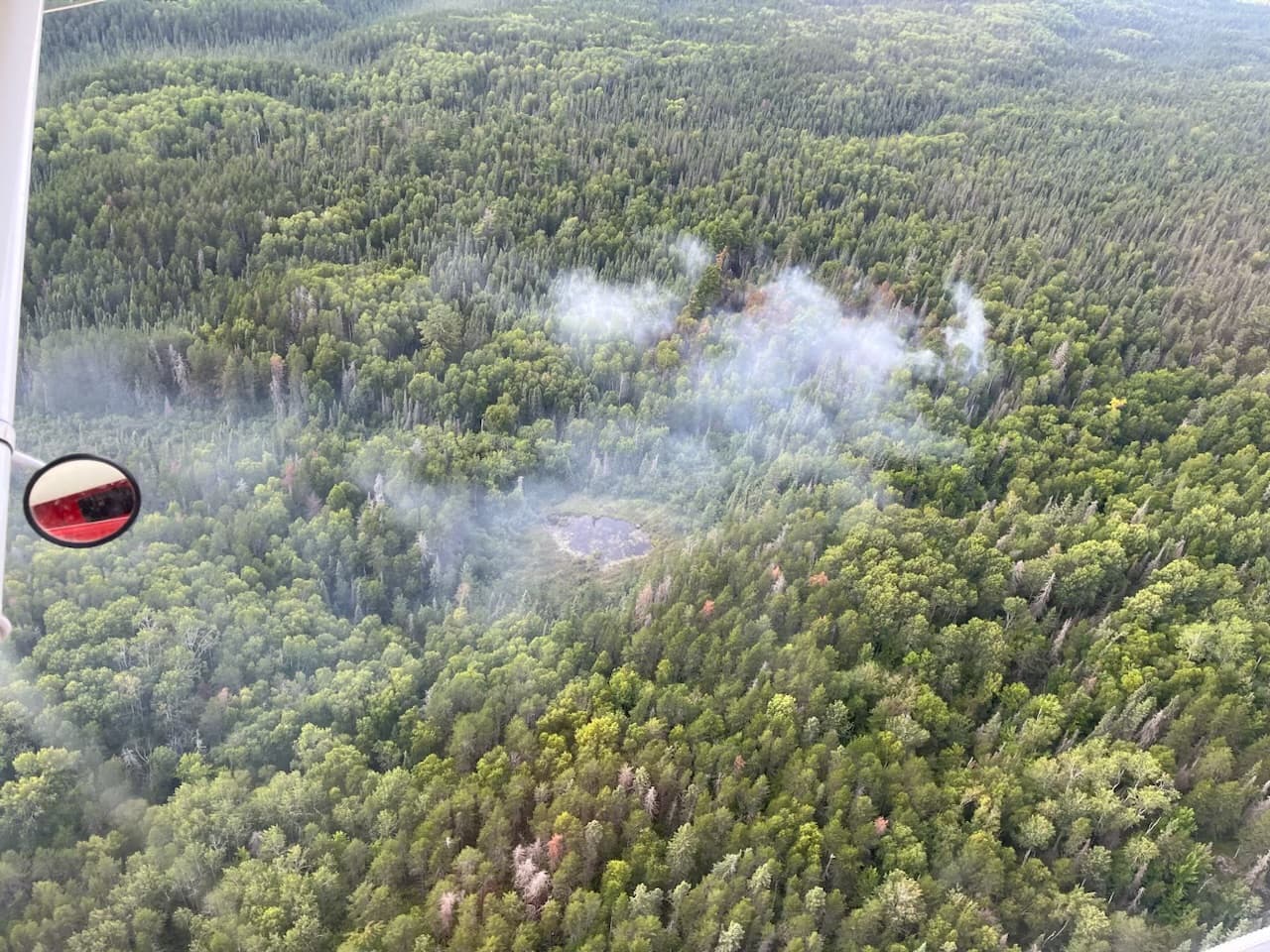
Five new wildfires in the Superior National Forest have put Boundary Waters trips, campsites and outfitting plans on alert, even though the Forest Service said there were no closures in the BWCAW. Four of the fires were inside the wilderness and one was outside it, a pattern that matters immediately for Ely-area entries, canoe routes and backcountry travel across St. Louis County.
The Forest Service named the fires as Camp Fire, Bear Trap Fire, Thumb Fire, Section 3 Pond Fire and Newton Fire. In its July 8 update, the agency said Bear Trap Fire, Thumb Fire and Newton Fire were lightning-caused, while Camp Fire and Section 3 Pond Fire were listed as cause unknown. That mix pointed to a widespread weather event rather than a single ignition point.
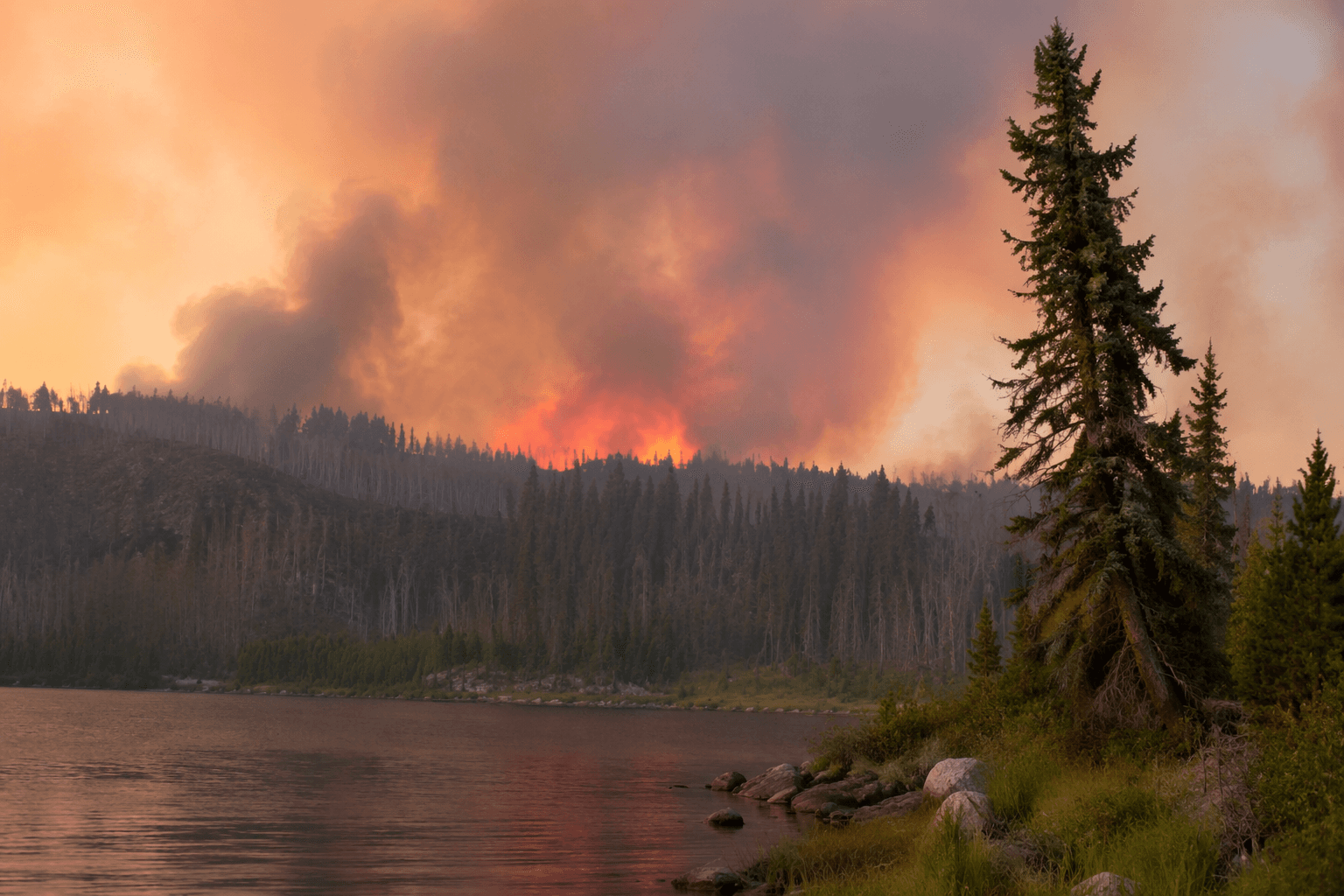
Even without a closure order, the Forest Service told the public to stay out of the fire areas for safety and firefighter safety. It also warned that unauthorized unmanned aircraft flights are illegal near fire operations and in federally designated wilderness, a reminder that drones can interfere with firefighting in places where crews already have limited access and must work around remote terrain, visitors and changing wind conditions.
The new fires followed another recent Boundary Waters incident that showed how quickly lightning can start and then be contained in the wilderness. The Long 2 Fire near Pine Lake in the Gunflint Ranger District was detected on July 2 during a routine patrol flight, grew to about 1.3 acres by July 3 and was fully contained at 3 acres by July 5. Forest officials determined that fire, too, was caused by lightning from thunderstorms earlier in the week.
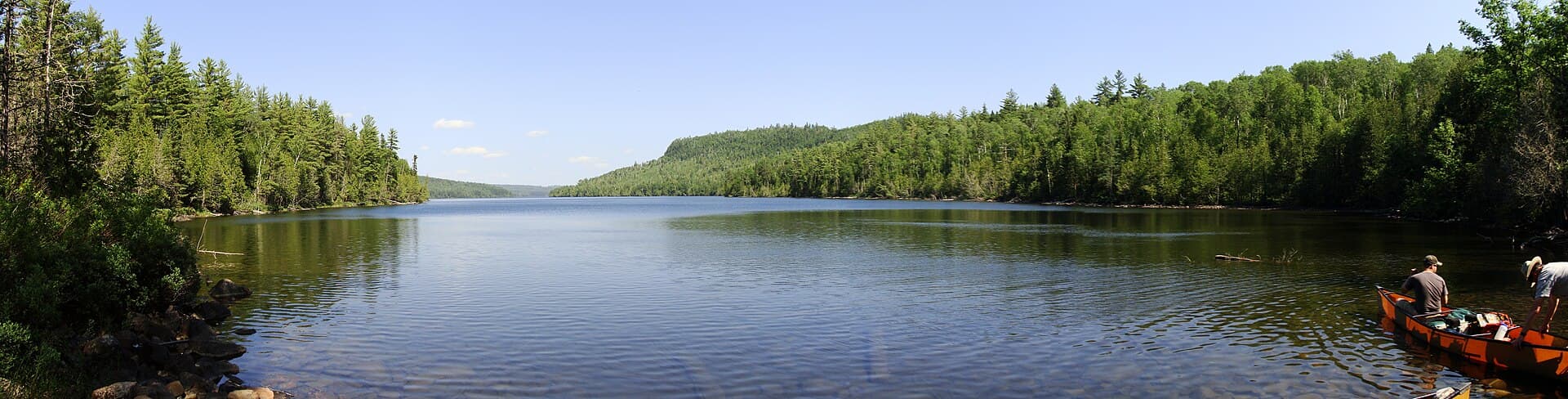
The larger seasonal backdrop has already been dry enough to force action. Superior National Forest issued Boundary Waters campfire restrictions in June because of dry conditions and elevated wildfire risk, then lifted them on June 11. For residents, outfitters and visitors relying on summer traffic into the forest and the BWCAW, the latest round of fires was another sign that the North Shore and border country can shift from normal travel conditions to active fire watch in a matter of hours.
This article was produced by Prism’s automated news system from verified source data, official records, and press releases, then run through automated quality and moderation checks before publishing. The system is built and supervised by the people who set the standards it runs under. Read our full AI policy.
Did this article answer your question?