St. Louis County Depot anchors Duluth's arts and culture scene
A former rail terminal at 506 West Michigan Street now houses Duluth’s busiest arts campus, drawing about 200,000 visitors and linking county history to daily civic life.

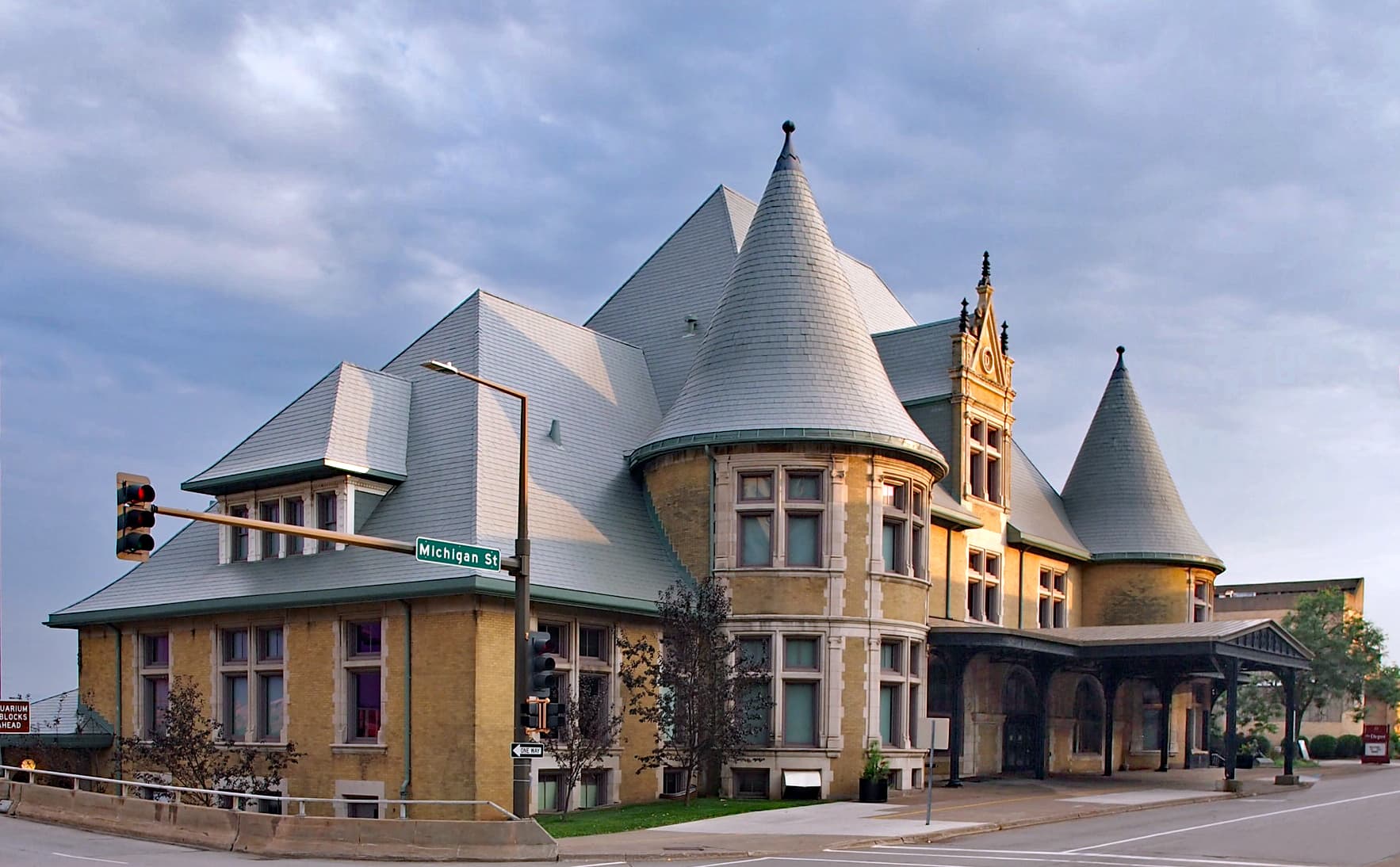
The St. Louis County Depot still carries the outline of a train era, but today its platform is cultural rather than mechanical. At 506 West Michigan Street in Duluth, the county-owned landmark brings together museums, performing arts, and scenic rail excursions inside one historic building, so a family visit, a matinee, and a history lesson can all happen under the same roof.
A railroad terminal turned county arts campus
The building now known as the St. Louis County Depot began as Duluth’s Union Depot, part of a rail system that dates to an original site established in 1869. By 1889, a new depot project had been organized, and by May 1890 the architects had presented plans for a structure 420 feet long, 220 feet wide, and anchored by a 150-foot clock tower. Peabody & Stearns designed the building, which was completed in 1892 and put into operation on March 1 of that year.
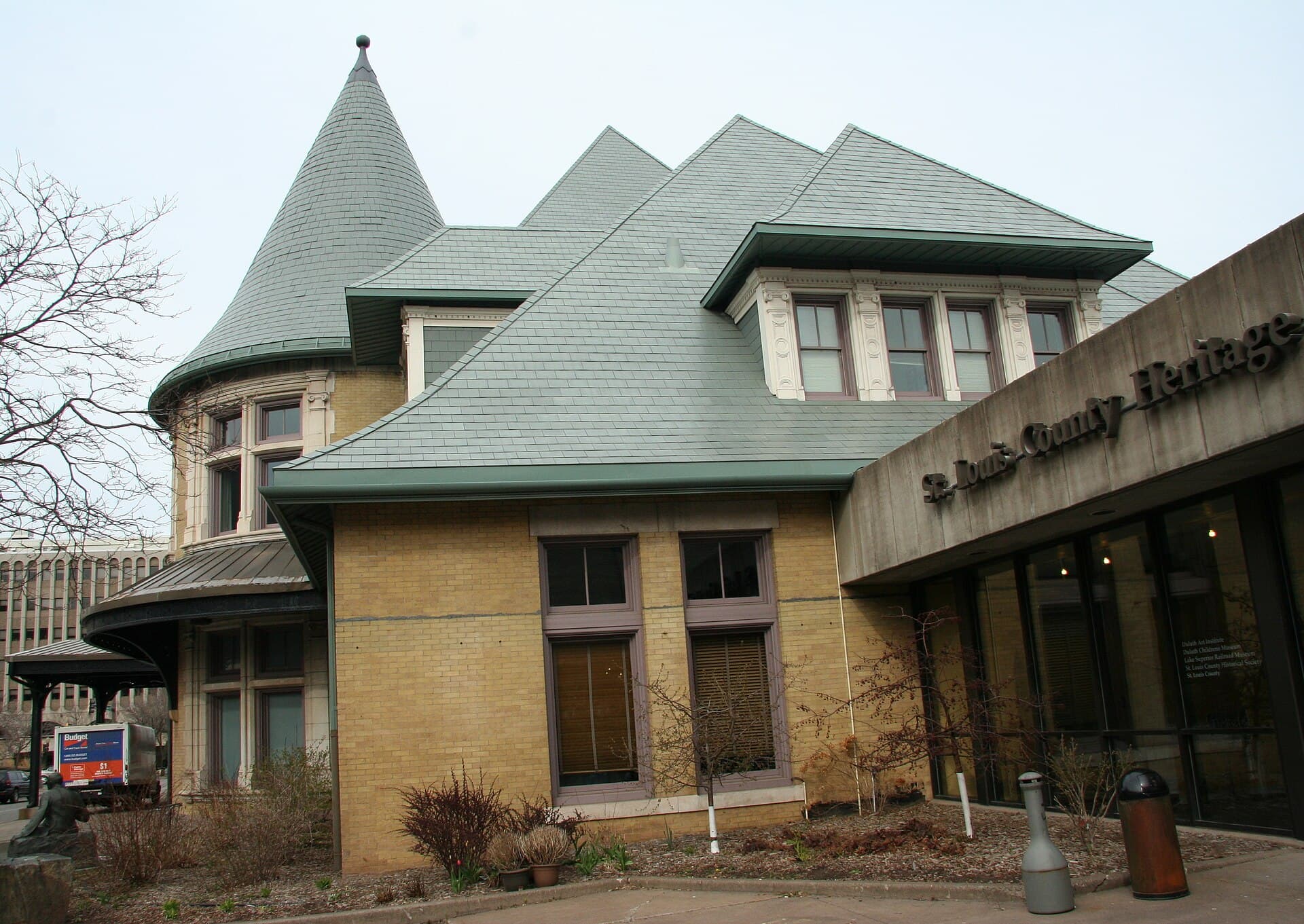
That first life lasted until rail service ceased in 1969. The next chapter came quickly enough to save the building from becoming a relic: in 1971, 2.7 acres including the depot and associated structures were conveyed to St. Louis County and converted into the St. Louis County Heritage and Arts Center. The county says it took ownership in 1972. The building is listed on the National Register of Historic Places, a designation that underscores why the depot matters as both architecture and civic infrastructure.
What you find inside today
The Depot is not a single museum with a single story. It is a shared campus for the Lake Superior Railroad Museum, the St. Louis County Historical Society, the Duluth Art Institute, Lyric Opera of the North, Minnesota Ballet, North Shore Scenic Railroad, Duluth Superior Symphony Orchestra, and the Depot Foundation. Explore Minnesota describes the current complex as home to five performing arts organizations and four exhibiting organizations, which helps explain why the building feels busy even when no single show is underway.
That mix makes the Depot one of the easiest places in Duluth to encounter several parts of the county’s cultural life in one stop. Visitors can move from railroad artifacts to rotating art exhibitions, then into a performance space or across to historical collections, while the North Shore Scenic Railroad adds a working heritage rail connection that keeps the transportation story visible rather than preserved behind glass.
The Lake Superior Railroad Museum makes the point plainly by describing the Depot as more than the setting for its own exhibits. It identifies the building as one of four exhibiting organizations in the historic Union Depot and the departure point for the North Shore Scenic Railroad. That combination of museum, venue, and active departure point gives the Depot a role that few historic buildings can match.
Why county leaders still invest in it
The Depot’s public value is not treated as a finished project. St. Louis County says about 200,000 people visited the Depot in 2024, a reminder that the site functions as a steady draw for both residents and tourists. County board action in 2024 authorized a $19.5 million bond sale, with about $16.5 million targeted for the Depot’s aging HVAC and mechanical systems and other improvements.
That spending points to a practical issue behind every preservation success story: old buildings stay relevant only when they are maintained for modern use. In this case, the county is not just protecting a landmark façade. It is keeping a heavily used arts campus operational, comfortable, and capable of hosting performances, exhibitions, and visitors year-round.
The county’s own mission statement frames the building as more than real estate. It says the Depot “entertains, educates, inspires, and provides space for a diverse group of guests,” and describes it as a destination, a community center, and a place that fosters community through education and entertainment. Those are broad goals, but the tenant mix gives them concrete form: a child visiting the railroad museum, a couple attending opera, and a family coming for a train ride all use the same county asset in different ways.
How the depot fits into daily Duluth life
The building’s strength is that it does not behave like a single-purpose institution. General admission is free on floors 2, 3, and 4, which makes the Depot one of the more accessible downtown attractions for casual visits, school trips, and out-of-town guests trying to understand Duluth quickly. Some special events carry separate fees, but the free core access means the building functions as a low-barrier public space, not just a ticketed destination.
That accessibility matters in a county as geographically large as St. Louis County, where a central Duluth campus can connect people to the region’s railroad past, arts organizations, and historical institutions in one place. It also matters for downtown businesses and tourism, because a visitor who comes for one attraction often sees the others by default. The result is a cluster effect: restaurants, parking, hotels, and nearby storefronts benefit from a building that gives people multiple reasons to stay longer.
The depot’s preserved shell also tells a wider economic story. The original project cost about $600,000 to $615,000, a substantial sum for the 1890s. One historical source says the Northern Pacific Railroad’s $650,000 investment would be worth more than $30 million today. That scale helps explain why the building was worth saving, and why it still commands public investment more than a century later.
A landmark with layers, not just history
The Depot’s value comes from the way its past remains legible in its present. It was built as a transportation hub, closed as rail traffic changed, and was then repurposed into a county heritage and arts center that still welcomes the public as a working civic space. Its 1892 completion, its National Register listing, and its 1971 conversion all mark stages in that shift, but the current reality is what gives the story force.
Today the St. Louis County Depot is where Duluth’s railroad memory, performing arts life, and museum network meet in one place. That is what makes it a county landmark rather than just a preserved station: it still gathers people, still serves daily public use, and still anchors downtown as a shared cultural center.
This article was produced by Prism’s automated news system from verified source data, official records, and press releases, then run through automated quality and moderation checks before publishing. The system is built and supervised by the people who set the standards it runs under. Read our full AI policy.
Did this article answer your question?