St. Louis County offers records, volunteer help for genealogy researchers
St. Louis County’s Recorder’s Office, library indexes, and cemetery guides give family historians a tight path from vital records to burial clues.
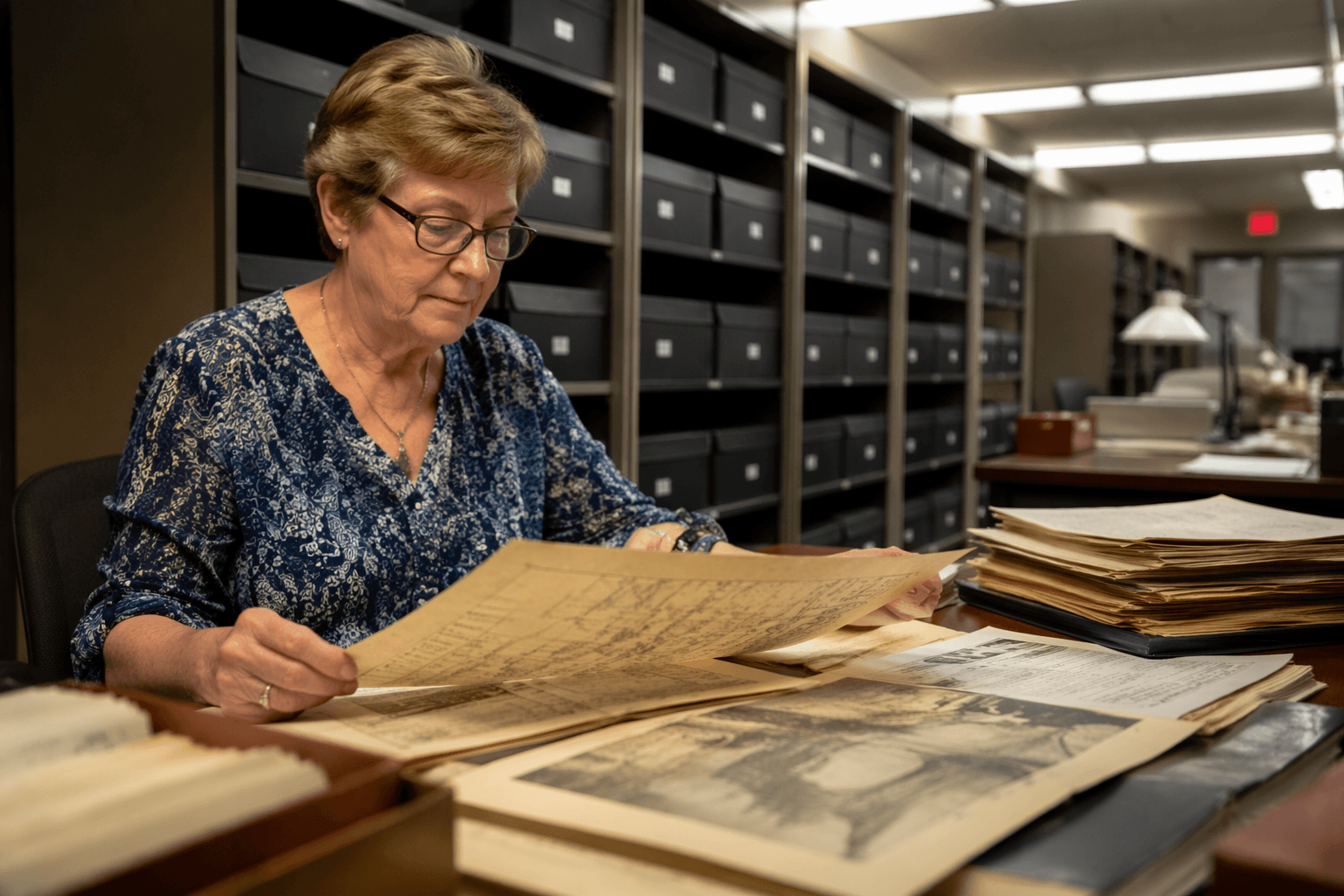
An experienced volunteer genealogist is typically available by appointment most Thursdays at the St. Louis County courthouse in Duluth, where the Recorder’s Office is open to genealogy researchers Monday through Friday from 8 a.m. to 4:30 p.m., excluding major holidays. The Recorder’s Office, Duluth Public Library, and University of Minnesota Duluth Archives and Special Collections each hold a different piece of the story, and together they can take you from a name on a page to a burial site, a marriage record, or a land description. The key is knowing where to begin and which local records can save you from dead ends.
Start at the Recorder’s Office
The office handles birth, death, marriage, and real estate documents, and it maintains indexes that can be searched by legal description, name, or document number. Public-records service is also available through offices in Duluth, Hibbing, Virginia, and a satellite office in Ely.
One especially useful record is the Veteran’s Military Discharge Certificate, or DD214. If that discharge paper was recorded in St. Louis County, certified copies may be obtained at no charge with valid photo ID.
Use the library indexes to connect names, dates, and places
Duluth Public Library holds local indexes that often fill gaps left by official records. Its St. Louis County Death Certificate Index covers deaths filed in the county from 1870 to 2000, and the index includes the person’s name, date of death, certificate number, and a location or comments field.
The library also hosts a Greenwood Cemetery Index covering burials from 1890 to 1947. Greenwood Cemetery is on the grounds of the St. Louis County Poor Farm, later known as the Cook Home.
Another strong tool is the obituary index for the Duluth News Tribune, which runs from 1942 to the present. Obituaries often supply the missing bridge between a death certificate and a burial site, especially when a death happened away from the family’s home community. The library’s St. Louis County Marriage Index, tied to the Minnesota Official Marriage System, adds another layer by listing the county, certificate number, marriage date, and the two applicants.
Let cemeteries explain the bigger story
University of Minnesota Duluth Archives and Special Collections preserves A History in Stones: The Cemeteries of St. Louis County, Minnesota, a 1998 to 1999 final project created as a comprehensive cemetery guide. The work includes cemetery histories, selected accounts of interred individuals, maps, notes on gravestone art and ethnic populations, definitive locations, deterioration levels, and preservation efforts.
The Cook Home records add an especially revealing layer to that history. Minnesota law effective March 4, 1864 required counties to provide a poor farm or a suitable substitute for the aged and infirm, and St. Louis County’s records show that people without resources could only get assistance if they were located at the Poor Farm. The Cook Home name was chosen in 1934 in honor of Arthur P. Cook, and in 1937 the Minnesota Legislature mandated each county to establish a welfare board.
A practical path through the county’s records
The most efficient way to work a St. Louis County family line is to start with the strongest identifier you already have, then move outward. A death date can lead you to the county death index, which can lead you to a certificate number, which can lead you to an obituary or a burial record. A marriage date can place a couple in the marriage index, while a land clue can send you to the Recorder’s Office indexes by legal description.
- Check the death certificate index first if you know a death date or approximate era.
- Use the marriage index when you are trying to connect surnames or confirm an applicant.
- Search the obituary index when a family story needs a place name, survivor list, or funeral clue.
- Turn to cemetery indexes and the cemetery guide when the burial place is unclear or a grave marker may be missing.
- Visit the Recorder’s Office in Duluth, or call ahead for Thursday volunteer help, when the record trail gets tangled.
A simple order of attack usually works best:
This article was produced by Prism’s automated news system from verified source data, official records, and press releases, then run through automated quality and moderation checks before publishing. The system is built and supervised by the people who set the standards it runs under. Read our full AI policy.
Did this article answer your question?