Jamestown Reservoir set for North Dakota Farmers Union youth camps󠄁
The Jamestown Reservoir will again host North Dakota Farmers Union camps as the program opens its 92nd season in June, drawing more than 1,100 youth statewide.
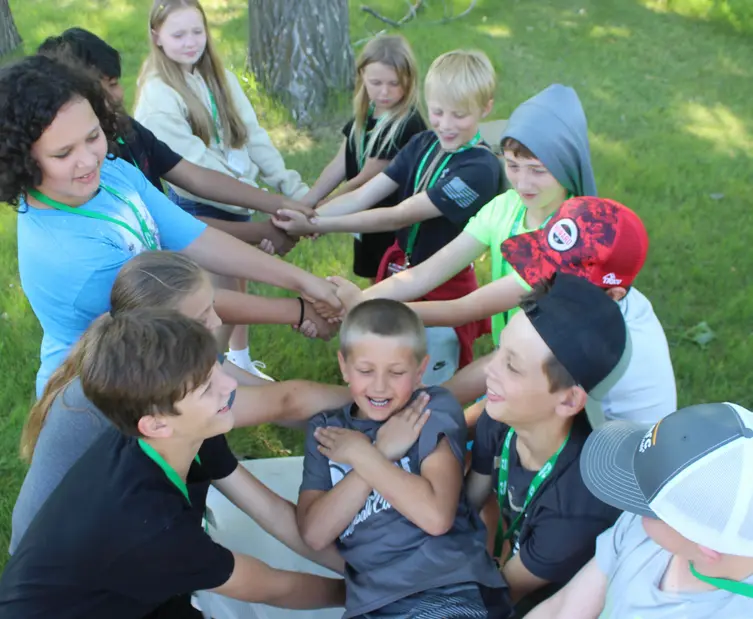
The Jamestown Reservoir will again be part of one of North Dakota’s longest-running youth programs as North Dakota Farmers Union opens its 92nd season of summer camps in June. The camps will serve students who have completed grades 3 through 6 and grades 7 through 12, keeping younger children and older teens in age-appropriate settings at a time when many farm and small-town families are looking for structured summer options close to home.
The program draws more than 1,100 participants each year from across North Dakota, a scale that makes it more than a local camp schedule. It is a statewide gathering built around cooperative-focused leadership camps, with facilities at Lake Tschida near Elgin and at the Jamestown Reservoir. That gives Stutsman County a direct place in a program that brings campers, families, staff and summer activity into the community every year.
Access has been part of the camp model as well. Farmers Union has provided free bus transportation to and from the camp facilities, and scholarships have been available for children who need financial help to attend. Those pieces matter in a state where distance can be a barrier and where a summer camp can otherwise be out of reach for some families.
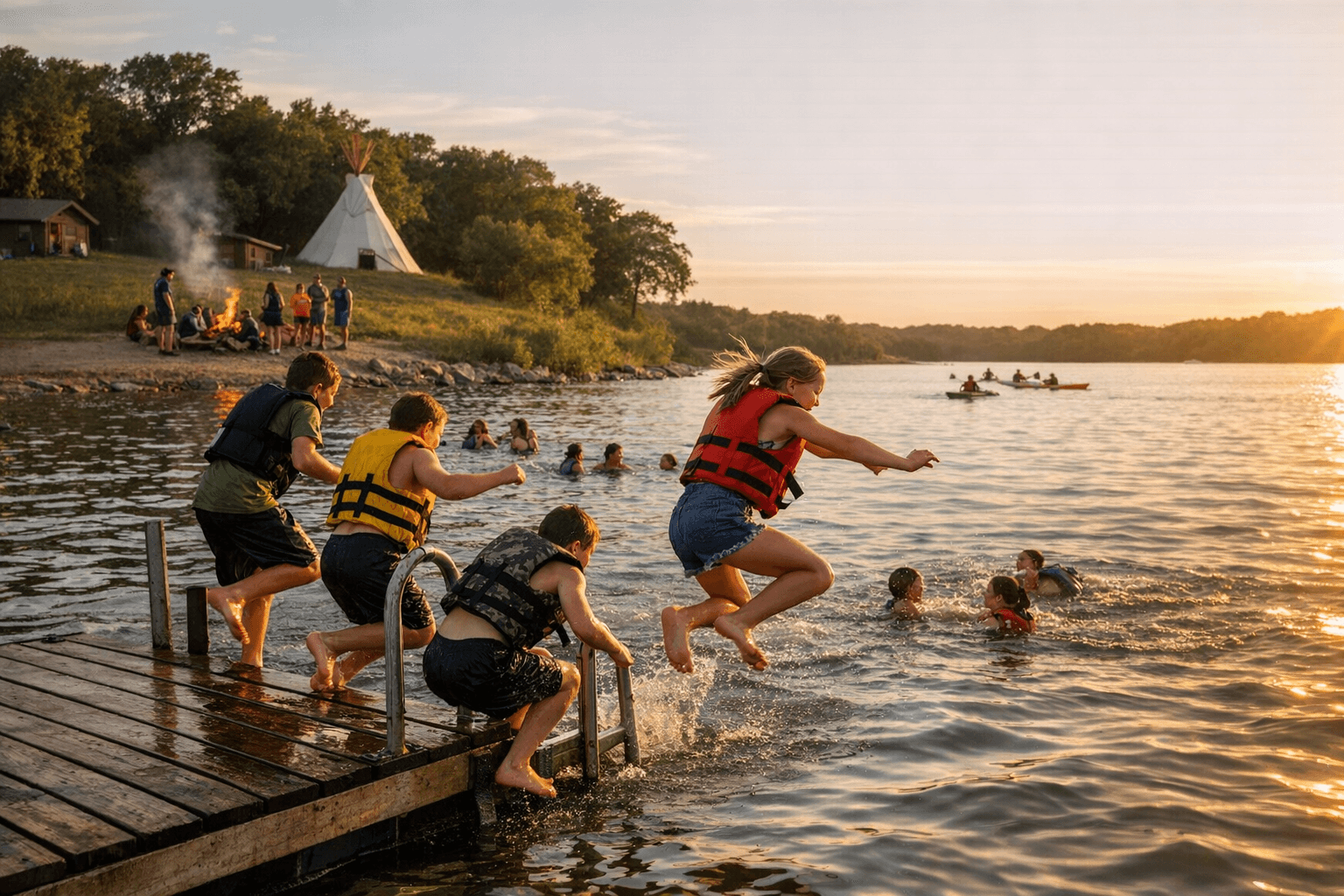
The program’s staying power also runs deep. A 2024 Farmers Union release said the camp began on the shores of Spiritwood Lake near Jamestown in 1934. Education Director Miranda Letherman said, “What began on the shores of Spiritwood Lake near Jamestown in 1934 is still going strong today.” She also said the program’s longevity reflects “basic ideals and activities” that never grow old.
For Jamestown, the reservoir’s role in the camp network adds another layer to a site already known for recreation and water access. The camp connection ties the reservoir to youth development, agriculture and civic learning, and it shows why the program has endured for 92 seasons: it has remained useful, affordable and rooted in places North Dakota families know well.
This article was produced by Prism’s automated news system from verified source data, official records, and press releases, then run through automated quality and moderation checks before publishing. The system is built and supervised by the people who set the standards it runs under. Read our full AI policy.
Did this article answer your question?