North Dakotans split on Iran military action amid energy price worries
North Dakota drivers are watching Iran through the gas pump. In Stutsman County, a war overseas could hit diesel, groceries and household budgets.
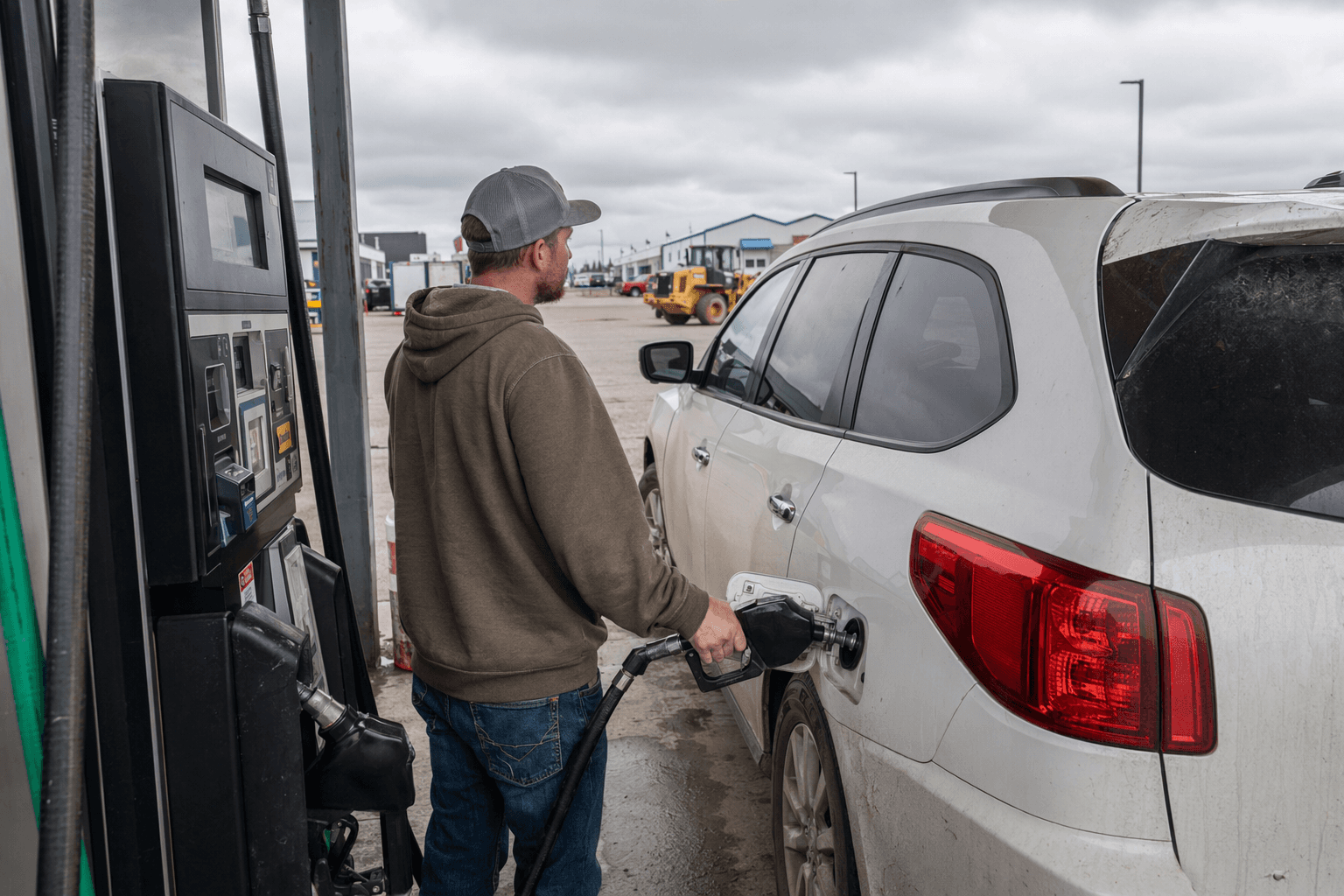
Jamestown households are already feeling the squeeze of $3.64 gasoline in North Dakota, and a new poll suggests many voters see the Iran conflict less as a distant foreign-policy fight than as a threat to fuel bills, farm costs and the broader state economy.
The North Dakota Poll found that voting-age residents were nearly split, with 50% supporting U.S. military action in Iran and 46% opposed. Concern over the economic fallout was even sharper: 64% said they were very or somewhat worried about the conflict’s effect on gas and energy prices. In a state where the average gas price was about $3.64 per gallon on April 27, below the national average of $4.11, the fear is not just abstract. It reaches fuel tanks, farm trucks and household budgets in places like Stutsman County.
The poll was conducted by Mason-Dixon Polling & Strategy from April 15 through April 19, 2026, with 625 North Dakota adults interviewed by telephone. Just 26% said the Iran conflict was the most pressing issue facing the country, but the answers broke sharply along familiar lines. Opposition was strongest among Democrats, independents and women, while 81% of Republicans backed military action.
That split mirrors the wider national divide, but North Dakota’s energy economy gives the issue a local edge. State regulators said North Dakota oil shipped on the Dakota Access Pipeline was fetching nearly $7 more per barrel than a U.S. benchmark price amid volatility tied to the war. That matters in a state where royalty owners, producers and government all share in any uplift, and where higher oil prices can bring both relief and risk to family budgets.
Officials also flagged the Strait of Hormuz as a major concern because it is a key route for global oil and agricultural chemicals. If shipping through that corridor is disrupted, fuel prices could stay elevated longer, and that would ripple into diesel costs, grain hauling and the price of farm inputs across central North Dakota.
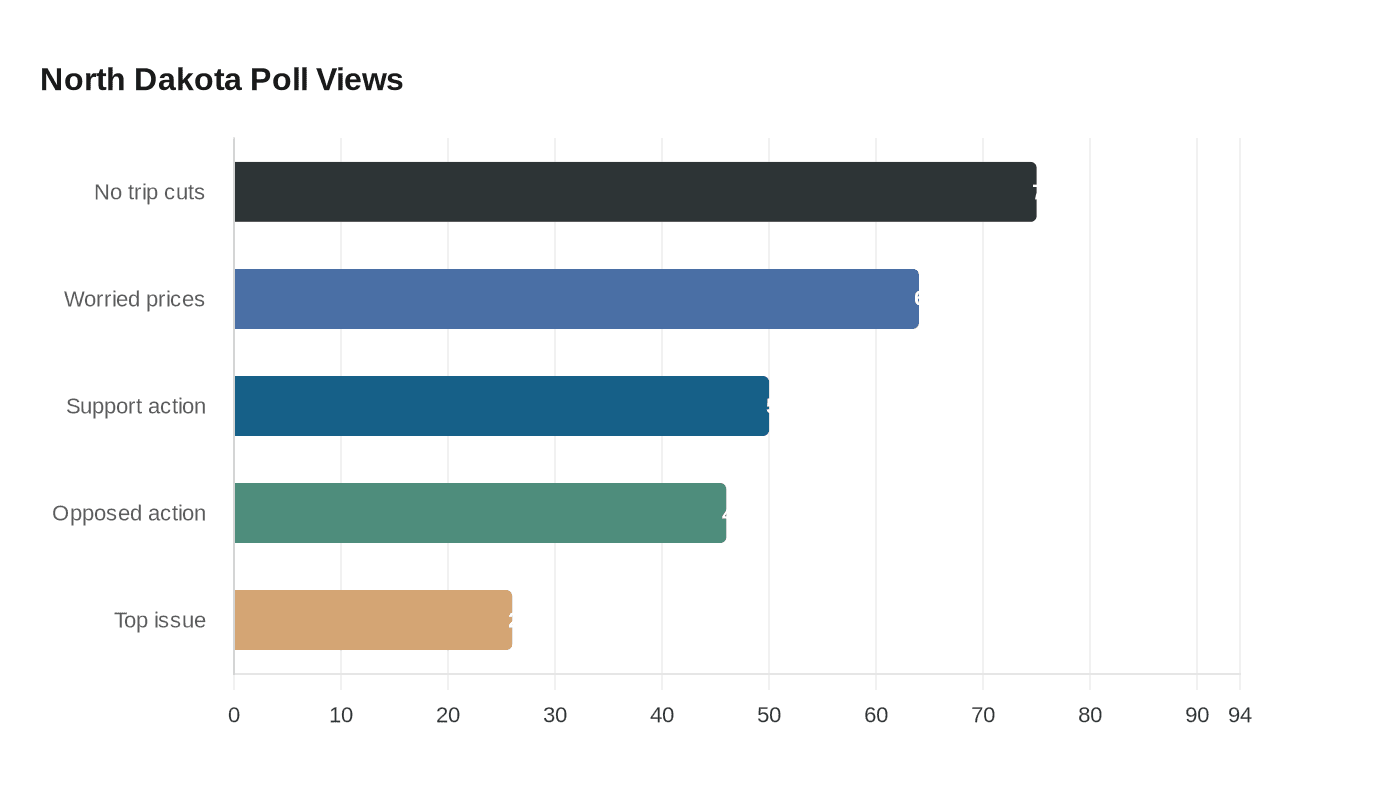
Even so, most North Dakotans said they had not changed their driving habits. The poll found 75% were not taking fewer trips or driving shorter distances because of higher fuel costs. That suggests the economic pain has not yet forced a major change in daily routines, even as the anxiety remains high.
State Senate Minority Leader Kathy Hogan said she was surprised by the level of support for war, while University of North Dakota political science professor Mark Jendrysik said backing is likely higher because residents have not yet felt the deepest local effects beyond higher gasoline and diesel prices. Nationally, the skepticism is stronger: a Pew Research Center survey found 61% of Americans disapproved of Donald Trump’s handling of the conflict and 59% said using military force was the wrong decision.
For Stutsman County, the stakes are straightforward. If the conflict drags on, the cost can travel quickly from the Persian Gulf to the pump in Jamestown and the bills on the kitchen table.
This article was produced by Prism’s automated news system from verified source data, official records, and press releases, then run through automated quality and moderation checks before publishing. The system is built and supervised by the people who set the standards it runs under. Read our full AI policy.
Did this article answer your question?