Report: North Dakota farm injuries, deaths often go uncounted
Hidden injuries on North Dakota farms may be missing from official counts, even in Stutsman County, where 789 farms spread across 2,298 square miles.
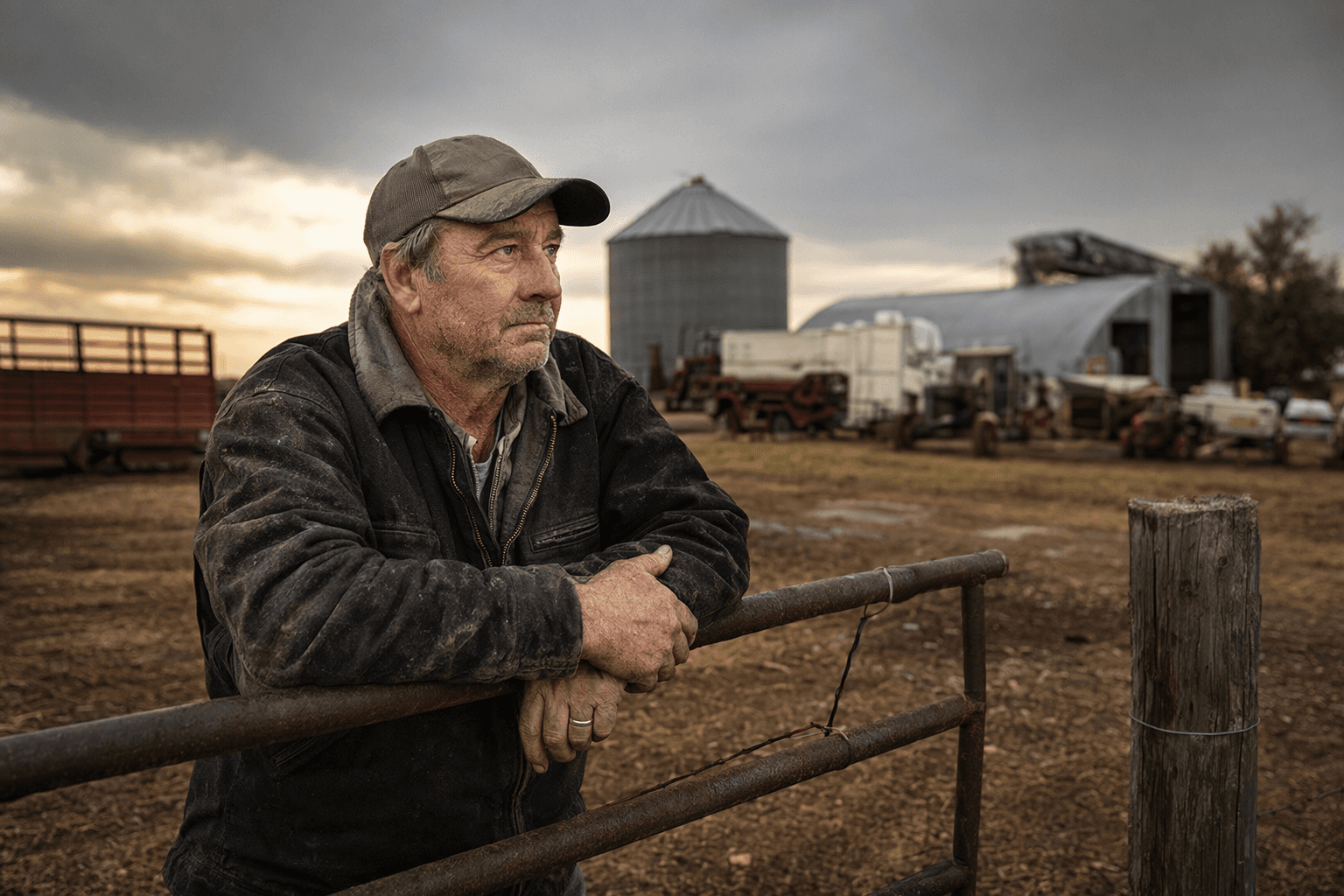
If farm injuries and deaths are slipping past the record books, Stutsman County families and the people who make safety decisions may be working with an incomplete picture. That gap matters in a county of 2,298 square miles, 789 farms and 2,758,602 acres in farms, where agriculture is woven into daily life from Jamestown to the far edges of the county.
North Dakota State University Extension says self-employed farmers, ranchers and their family members are excluded from some injury and fatality datasets, which helps explain why production-agriculture injuries are often undercounted. That is especially important in North Dakota, where 86% of farmers and ranchers are family farmers or self-employed. NDSU has described farming and ranching as among the state’s most dangerous occupations, yet the full toll can be hard to see in the standard systems that track workplace harm.
The blind spots are not limited to North Dakota records. Purdue University’s agricultural safety program has said more than two-thirds of U.S. grain storage capacity is on farms that are exempt from OSHA injury-reporting requirements, which means grain-bin incidents can disappear from official tallies. In 2020, Purdue documented at least 35 grain-related entrapments nationwide, and North Dakota ranked second in the country for recorded grain-bin-related entrapments that year.
A separate compilation by the Central States Center for Agricultural Safety and Health, which used a news clipping service to track incidents from 2012 through 2023, shows at least 84 agricultural deaths in North Dakota during that period. The center said the list is incomplete, underscoring how much of the state’s farm injury history is assembled from fragmented sources rather than a single, comprehensive system. North Dakota’s occupational-health resources say work-related injuries and illnesses can be prevented, but also acknowledge that not all farm injuries are captured in standard federal reporting systems.
The reporting gaps are pushing more attention toward prevention. NDSU Extension has partnered with the National Farm Medicine Center on agricultural safety training, including the Rural Firefighters Delivering Agricultural Safety and Health program. Farm and ranch safety specialist Angie Johnson has pressed for better education and training to prevent injuries and fatalities. In a county where agriculture remains central to both the economy and the landscape, the question heading into the season is not only how many incidents happen, but who is counting them, who is missing them and what changes on farms, in fire departments and in training rooms can keep the next injury from becoming another uncounted loss.
This article was produced by Prism’s automated news system from verified source data, official records, and press releases, then run through automated quality and moderation checks before publishing. The system is built and supervised by the people who set the standards it runs under. Read our full AI policy.
Did this article answer your question?