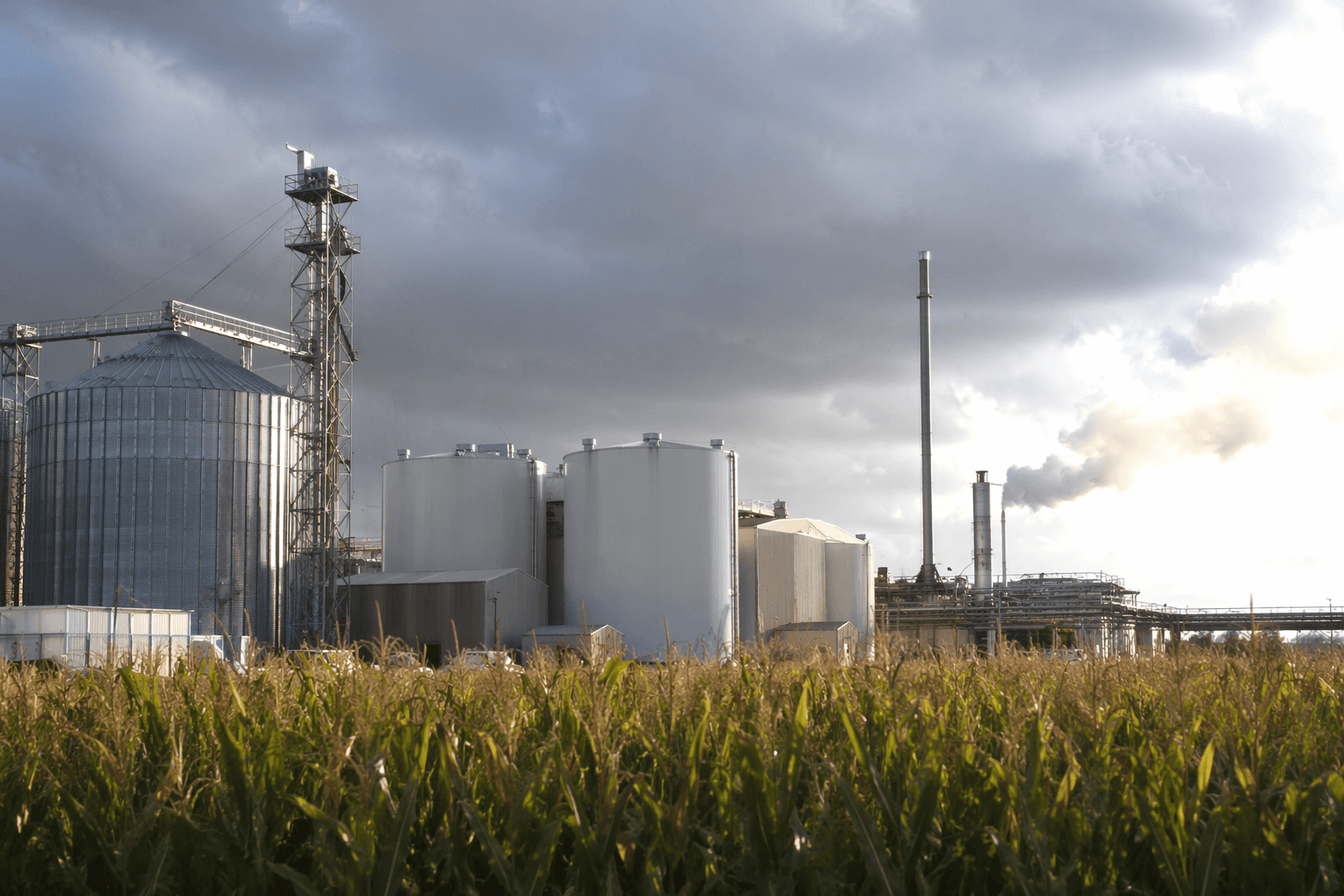
Stutsman County Farmers Eye Mid-April Start for Spring Planting
Stutsman County farmers could hit fields by mid-April, but with the average last freeze landing in late May, soil conditions and an emerging El Niño will decide everything.
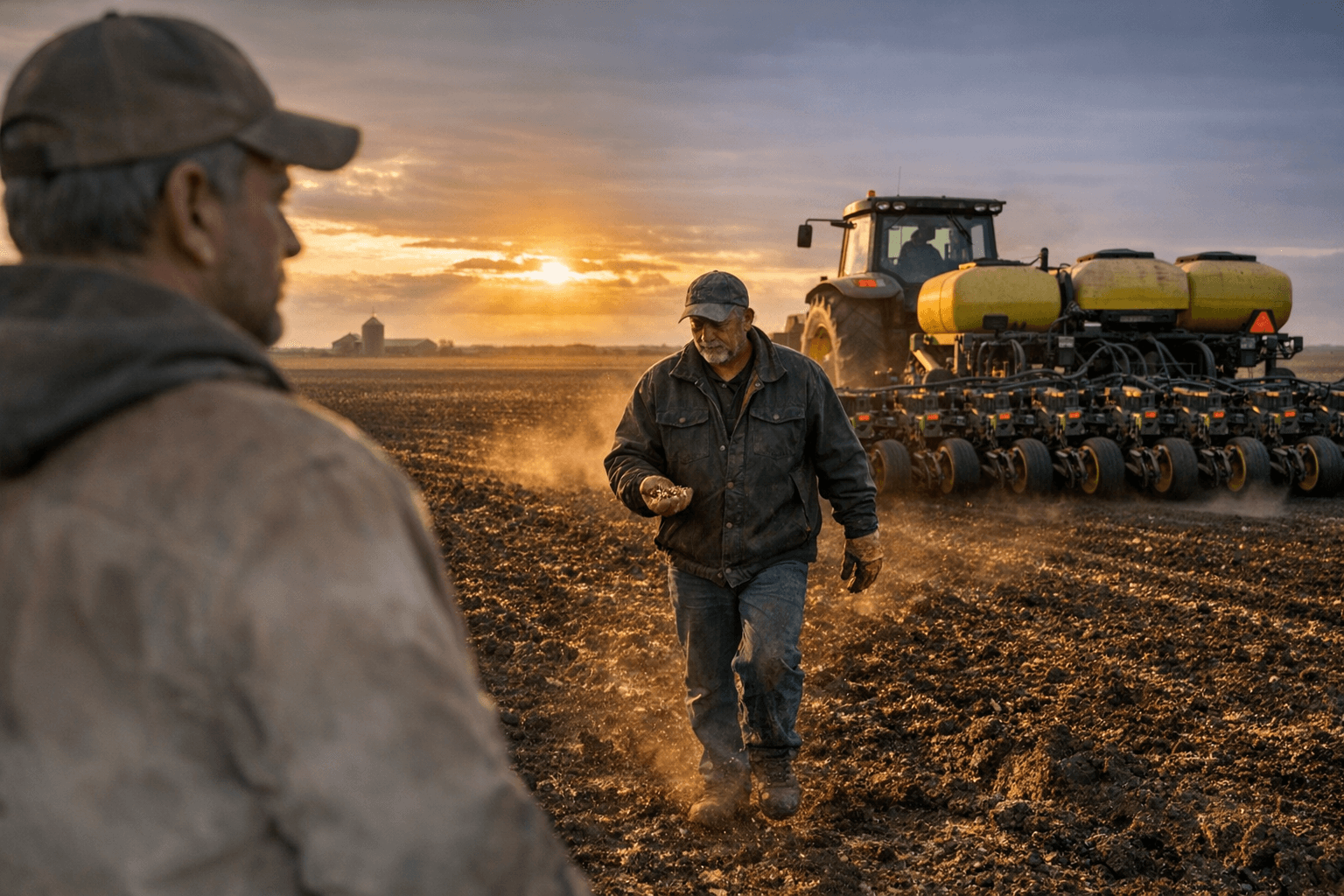
Equipment is getting prepped on Stutsman County farms, and spring planting could get started about the middle of April, according to Daryl Ritchison, North Dakota state climatologist. That timing would be close to the normal date for the start of planting of small grains in the area, he said.
The forecast carries a significant caveat. "Keep in mind the average last freeze doesn't come until late May," Ritchison said, adding that spring temperatures typically follow an up-and-down pattern. Looking at records since 2000, the last freeze in the spring has occurred as early as April 18 and as late as May 29, according to National Weather Service records as measured at the North Dakota State Hospital. That 41-day window illustrates just how much variability farmers in the Jamestown area face when deciding when to put seed in the ground.
Moisture conditions across most of the state are working in farmers' favor heading into the season. "Most of North Dakota is looking good for moisture," Ritchison said. "The exception is the southwest corner of the state." In Stutsman County specifically, Ashley Kjellberg, the county's Extension agent for agriculture and natural resources, confirmed the ground is in reasonable shape. "The moisture is still sitting good," she said, though she added: "It would be awesome to see some of the moisture that is on the ground soak in rather than run off." Snow melt and spring rain that occur while the ground is frozen typically run off into streams and sloughs rather than penetrating the soil.
Ritchison pointed to a developing Pacific climate pattern that could shape the entire growing season. The anticipated transition to an El Niño current could continue a warm and dry weather trend, he said, though he qualified that projection with "Depending on the strength of the current." He pointed out that the winter of 2003-04, the warmest winter on record for North Dakota, was an El Niño winter as a historical benchmark for what the pattern can produce on the Northern Plains. Ritchison said the forecast for this summer's growing season is for warmer than average and drier than average conditions. "It will be noticeably different than last year," he said. For context, Jamestown ended 2025 with 22.6 inches of precipitation, about one and a half inches above the normal of 21.1 inches.
Even with a favorable outlook, Ritchison cautioned that local precipitation can shift quickly. "The reality is one thunderstorm messes up the precipitation patterns," he said, underscoring why mid-April projections remain exactly that: projections.
On the ground, Kjellberg said Stutsman County producers are not waiting to see how things unfold. "Some are getting equipment prepped," she said. "I wouldn't be surprised if we see some early field work soon." Weather is just one of their concerns, Kjellberg noted. "Prices are a concern," she said. "Fuel and fertilizer are also a concern with everything going on in the world." Some supplies are in short supply this spring, although most farmers have already ordered what they need for their planned crops. "There is not a lot of room for flexibility," Kjellberg said. "You have to have everything ordered ahead." Despite those pressures, she said there is optimism with adequate moisture and warming temperatures.
Whether mid-April delivers ideal planting conditions will ultimately depend on how quickly frozen soils thaw and whether the region avoids the late-season freezes that have historically stretched into May. The Stutsman County Extension office will continue tracking field conditions as the season develops.
This article was produced by Prism’s automated news system from verified source data, official records, and press releases, then run through automated quality and moderation checks before publishing. The system is built and supervised by the people who set the standards it runs under. Read our full AI policy.
Did this article answer your question?