Caumsett State Historic Park Preserve blends Gold Coast history and coastal nature
Caumsett State Historic Park Preserve offers Suffolk County 1,500 acres of shoreline, trails and Gold Coast history, with restoration and expansion still reshaping the site.
Caumsett State Historic Park Preserve gives Suffolk County something rare on the North Shore: a vast public shoreline landscape on Lloyd Neck where visitors can walk through Gold Coast history and still reach woods, meadows, marsh and Long Island Sound. The park’s appeal is immediate and practical, with hiking, biking, fishing and winter recreation all built into the site. Its deeper value is that it keeps a former private estate open to the public while protecting one of the county’s most distinctive coastal settings.
A place layered with Long Island history
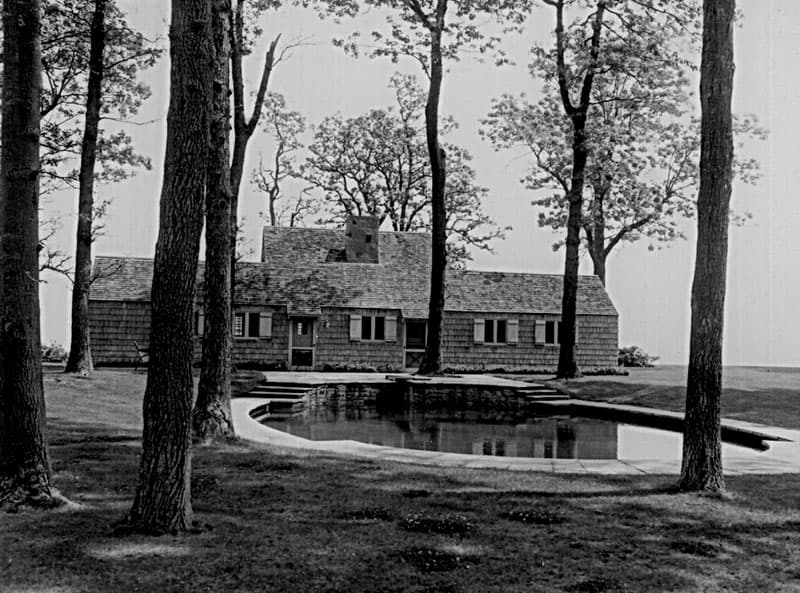
Caumsett stretches through about 400 years of Long Island history, starting as Matinecock Native American homeland and later becoming a British Revolutionary War encampment before Marshall Field III turned it into a 1920s estate. The Town of Huntington’s trails guide says the land was acquired by British settlers from the Matinecock in 1654, a reminder that the site’s history predates the Gold Coast era by centuries. Marshall Field III, the grandson of the famous department store owner, built his manor here on a peninsula that was prized for its views and isolation.
That estate era still shapes how Caumsett is understood today. The preserve covers roughly 1,500 acres, and New York State acquired the Field estate in 1961 before continuing to add acreage over time. One local account places the public opening in 1976, but the park’s modern identity has been built over decades of state stewardship, preservation planning and trail access. New York State Parks also adopted a master plan and environmental impact process in 2009 for the park preserve and natural heritage area designation, underscoring that the site is managed as more than a scenic holdover from the Gold Coast.
What visitors can do there now
Caumsett is not just a place to look at old architecture. New York State Parks lists fishing, hiking trails, snowshoeing and cross-country skiing among the park’s amenities, and the park opens at sunrise. That range matters on a site like this, because it keeps the preserve active across seasons instead of reducing it to a single-purpose historic stop.
The trail system is one of the park’s main draws. State trail maps say hiking and biking are allowed on all trails, and equestrian use is allowed on all unpaved trails south of Fresh Pond. Other trail resources describe nearly 20 miles of trails running through woodland, shoreline, meadows and salt marsh. For Suffolk County residents, that means the park works as a walking destination, a birding destination, a cycling destination and, when weather cooperates, a winter sports site all in one.
The setting is part of the experience. Caumsett sits on Suffolk County’s North Shore facing Long Island Sound, with a landscape that still feels removed from the surrounding suburban corridor. That combination of water access, broad open space and layered terrain is what makes the preserve such a dependable public asset for recreation, quiet use and coastal views.
Stewardship is part of the story
Caumsett’s future depends on active land management, not just public ownership. In 2010, The Caumsett Foundation and the New York State Parks Regional Environmental Office began a 30-acre grassland restoration project and a broader effort to control invasive plants. The foundation’s management plan says the restored area was seeded with native grasses and wildflowers to maintain grassland habitat and promote species diversity for grassland-dependent birds, which have declined.
That work extends beyond one field. A separate Long Island Partnership writeup described a 25-acre area that had historically been used as pastureland and was being maintained by New York State Parks as a successional field. The Long Island Invasive Species Management Area has also highlighted the foundation as a partner working with state parks to support and enhance the preserve as a unique and historic environment on Long Island’s North Shore. At Caumsett, restoration is not hidden behind the scenes. It is part of what visitors see when they move through the changing edges of field, brush and woodland.
Why the coastline keeps drawing attention
The preserve’s conservation role extends beyond its property lines. Town of Huntington materials identify Caumsett State Park as part of an Important Bird Area that includes Cold Spring Harbor, Lloyd Neck, Huntington Bay, Eaton’s Neck and nearby waters. That designation helps explain why this site matters beyond its historic buildings and trails: the surrounding coastal ecosystem is part of a larger bird habitat network on the North Shore.
State investment has continued to build on that value. Governor Kathy Hochul announced a 180-acre expansion of Caumsett State Historic Park Preserve funded with nearly $18 million from the Environmental Protection Fund, a major addition to an already large park. Newsday also reported a $100,000 trail-restoration grant for the Fresh Pond Trail, showing that even established public parks need ongoing capital if they are going to stay open, safe and usable.
For Suffolk County, Caumsett is strongest when viewed as a public-value landscape rather than a scenic relic. It offers a place to see Gold Coast history, walk protected shoreline, ride unpaved trails, watch birds and trace how a former private estate became shared coastal ground. The park’s continuing restoration work and recent expansion show that keeping land like this open is not a finished act, but a continuing responsibility.
This article was produced by Prism’s automated news system from verified source data, official records, and press releases, then run through automated quality and moderation checks before publishing. The system is built and supervised by the people who set the standards it runs under. Read our full AI policy.
Did this article answer your question?