Keep NH Moving page expands transportation access in Sullivan County
Sullivan County riders can find buses, volunteer drivers and route-deviation trips through Keep NH Moving, but access still depends on town and trip type.
In Sullivan County, the transportation question is not abstract: can you get a ride to work, a clinic, the grocery store or a social service office, and from which town, at what cost, and with how much notice? Keep NH Moving’s Region 4 page, labeled for Candy Reed, the county mobility manager, puts that search in one place under the banner "Accessible Transportation for All." For people in Claremont, Newport, Charlestown, Sunapee and Grantham, the difference between a route on paper and a ride in hand can decide whether a day stays on track.
What the Region 4 page puts within reach
Keep NH Moving’s Region 4 page links residents to NH Trip Planner, Events, Contact Us, Ways To Travel, Find a Ride, Regions and Needs Assessment. That lineup matters because rural transit in Sullivan County is rarely one-size-fits-all; a resident may need a fixed bus, a demand-response trip, or a volunteer driver depending on the errand and the town. The broader site also includes a Mobility Management Network page, and New Hampshire DOT describes Keep NH Moving as a "one-stop shop" for transportation options in the state.
The structure also signals that this is not just a directory. The NH Trip Planner suggests route mapping, while Ways To Travel and Find a Ride point users toward the specific service type that fits the trip. The presence of an Events page can help residents track outreach and public meetings, and the Needs Assessment link shows the network is still collecting information about where service gaps and barriers exist.
What riders can actually use in Sullivan County
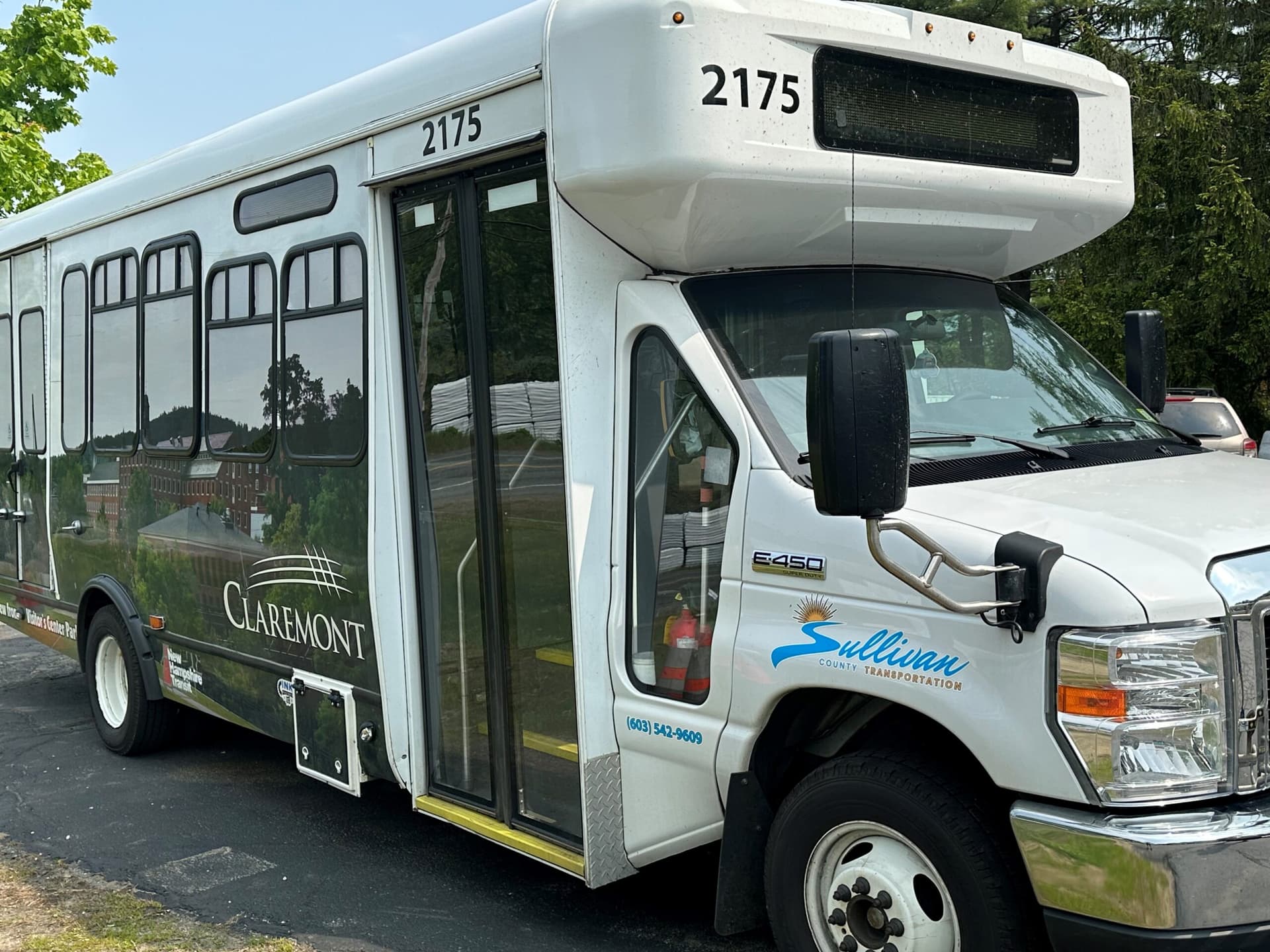
On the ground, Southwestern Community Services is the main provider named in the county search results. Its Transportation Program is a shared ride service that is "open to everyone," with riders meeting the bus at scheduled stops listed on the Public Transit Schedule. The program also offers route-deviation demand response transportation in Charlestown, Claremont and Newport, Dial-A-Ride in Claremont, and a Volunteer Driver Program throughout Sullivan County.
SCS serves the county from Claremont, with its Sullivan County office listed at 31 Pleasant Street, PMB 4, and office hours of 8:30 a.m. to 4:30 p.m. Monday through Friday. The office phone number is 603.542.9528, and the toll-free number is 800.529.0005. For riders trying to line up a trip to a work shift, a primary-care appointment or a grocery run, those details matter as much as the service name, because the public-facing system still depends on which provider serves which town.
The practical split is important. In Charlestown, Claremont and Newport, the route-deviation and shared-ride options give riders the most defined local coverage. The countywide Volunteer Driver Program is especially relevant for places such as Sunapee and Grantham, where a fixed bus stop may not be the easiest answer. SCS’s broader service listing also names bus routes in Charlestown, Claremont, Newport and Lebanon, which makes the network useful for people whose trips cross the county line for jobs, appointments or errands.
How the county system was built
The reason Keep NH Moving can point residents to several kinds of service is that New Hampshire built mobility management as a regional system. Patrick Herlihy’s mobility-management framework presentation describes a statewide coordinating council established by state statute in 2007, followed by the division of New Hampshire into eight Regional Coordinating Councils. Sullivan County’s Region 4 page sits inside that structure, with Candy Reed identified as the mobility manager for the county.
That regional setup shows up in Sullivan County’s planning history as well. A 2019 Sullivan County Public and Human Services Transportation Coordination Plan was prepared by the Upper Valley Lake Sunapee Regional Planning Commission for the New Hampshire Department of Transportation, the Federal Transit Administration and the Sullivan County Regional Coordination Council. That combination of local, regional, state and federal names matters in a rural county because no single agency carries every route, every rider type or every trip purpose.
Why awareness is still the bottleneck
Keep NH Moving exists to reduce the gap between need and service, but state materials tied to a Community Transportation Needs Assessment found that only about 11.5% of respondents had ever heard of Keep NH Moving. That is a small number for a county where older adults, workers without cars and medical patients may need the system most. When awareness is that low, the challenge is not just providing transportation; it is making sure residents know where to start before a missed ride becomes a missed appointment or a missed day’s pay.
The Region 4 page’s contact links and Needs Assessment tab suggest that the network is still trying to learn where people are getting stuck. For Sullivan County, that makes the page more than a brochure. It is a map of who can ride, where the ride begins, and which part of the county still depends on neighbors, volunteer drivers and a patchwork of coordinated services to stay connected.
This article was produced by Prism’s automated news system from verified source data, official records, and press releases, then run through automated quality and moderation checks before publishing. The system is built and supervised by the people who set the standards it runs under. Read our full AI policy.
Did this article answer your question?