Hitch Ranch grew from Texas County open range into cattle empire
Hitch Ranch survived the end of open range by adding hay, wheat, feedlots and livestock finance, turning Texas County pasture into a diversified agribusiness.
Hitch Ranch is a Texas County survival story as much as a cattle story. James Kerrick Hitch built it on the open grasslands west of settlement, then kept it alive by changing with the land, the weather and the rules that ended the old range economy. What began on Coldwater Creek became a model for how a Panhandle ranch could outlast drought, fencing laws and market swings by doing more than running cattle.
How Hitch turned open range into an operating base
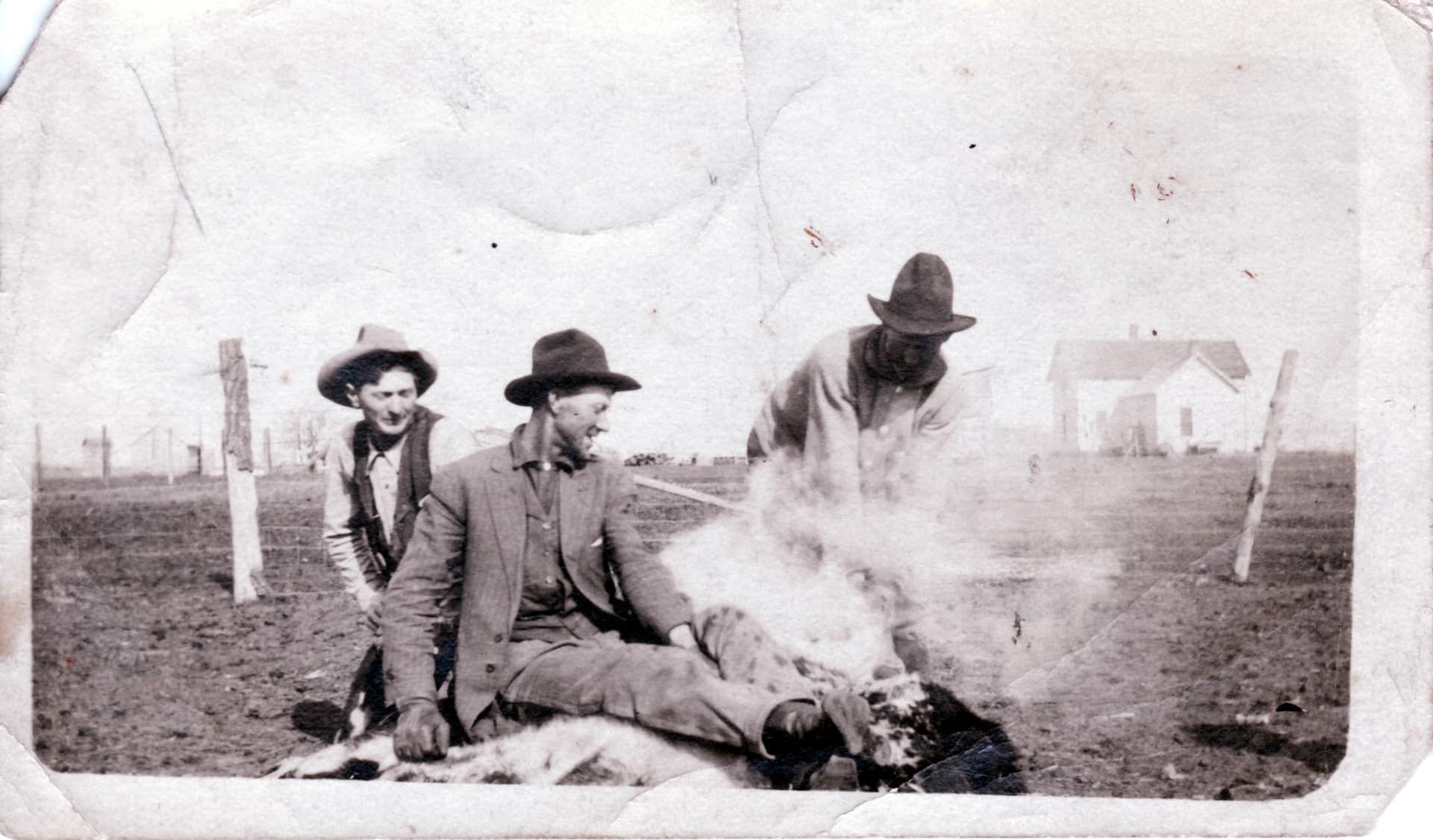
The Oklahoma Historical Society places Hitch in Texas County in 1884 or 1885, pasturing a herd on Coldwater Creek when the area was still part of the unorganized Public Land Strip. From there he pushed farther into the open-range country along the Beaver River, building position before homesteaders and fences closed off the old system. After settlement opened in 1890, he claimed land and by 1900 was running roughly 10,000 head across 40,000 to 50,000 acres.
That scale mattered because it shows how quickly the business moved from frontier grazing to managed acreage. Hitch was not simply using grass that was already there. He was assembling land, water and livestock into a larger operation that could survive once free-ranging cattle days ended.
The pressure points that forced the business to change
The first major shock was the disappearance of open range under homesteads. The second was the 1902 herd law, which required cattlemen to fence their land. That shift changed the economics of the entire region: cattle could no longer move freely, and ranchers had to invest in boundaries, pasture control and more deliberate land management.
The Hitch family responded by buying relinquishments from failed homesteaders and consolidating acreage south of present-day Guymon. That is the crucial business lesson in the ranch’s history. Instead of treating settlement as a threat that would shrink the operation, the family treated it as a chance to assemble a more controlled land base. In Texas County, where weather and land use rarely stay stable for long, that kind of consolidation became a competitive advantage.
Why feed, forage and grain became part of the ranch
Hitch Ranch also adapted to the Panhandle climate, not just to land law. James Hitch learned early to grow and cut large hay crops after the harsh winters of the late 1880s, when surviving a cold season could matter as much as selling calves. Later generations added wheat to the business, extending the ranch beyond livestock into crop production that could support the herd and smooth out income.
That mix of cattle, forage and grain is what turned the operation into a practical business system. Hay reduced winter risk. Wheat added another revenue stream. Together they helped the ranch operate less like a single-purpose cattle outfit and more like a diversified agricultural enterprise built to absorb bad years.
How the ranch handled drought, the Depression and war
The family’s next test came during the Great Depression and drought years, when ranches across the Panhandle faced pressure from both weak markets and limited moisture. Hitch Ranch used pasture conservation, leased land for oil exploration and reduced the herd before rebuilding during World War II. Each of those moves points to a different kind of resilience: conserving grass, using outside capital, and shrinking inventory when conditions demanded it.
That willingness to cut stock and rebuild later is part of what made the operation durable. In a county where rainfall can punish overextension, holding onto the ground matters as much as maximizing headcount. The ranch’s response shows a hard business truth for Texas County producers: surviving the down cycle can be more valuable than chasing output in the worst years.
The move from ranching to agribusiness
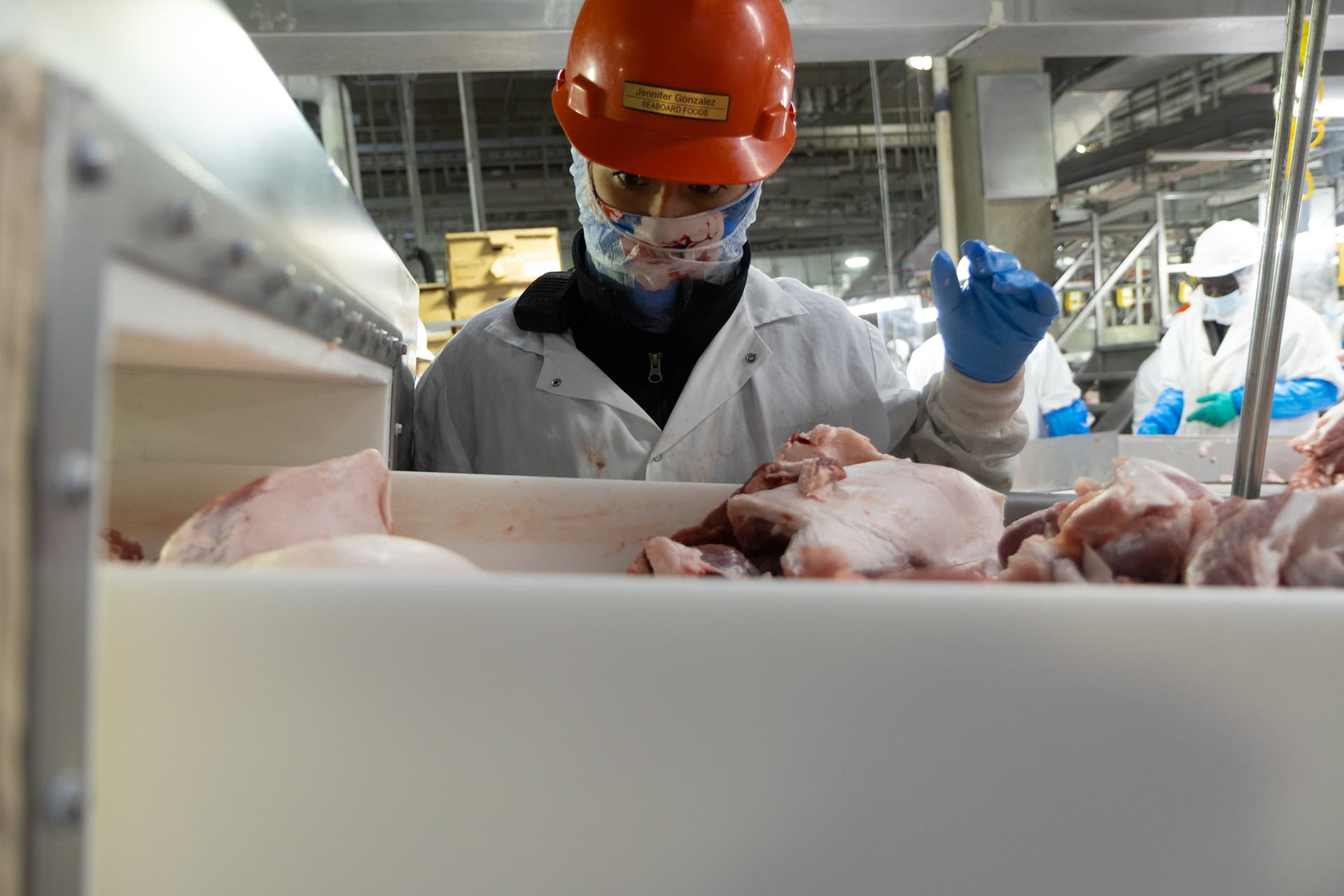
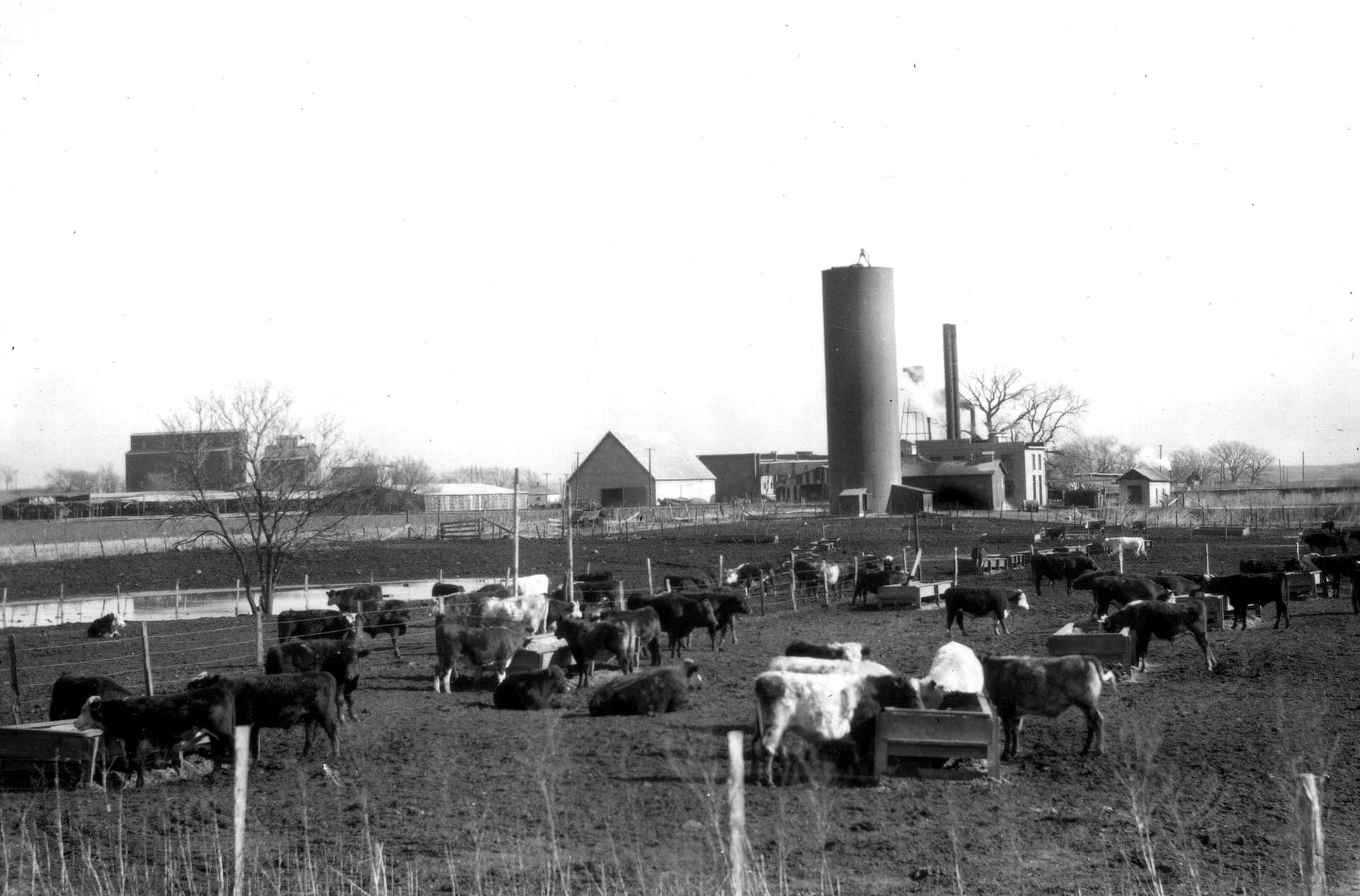
The biggest transformation came after World War II, when Hitch Ranch stopped looking like a traditional ranch and started operating like a broader livestock company. In 1953, Henry Hitch built a feedlot. By the mid-1970s, the family had opened three high-capacity commercial feedlots. That expansion changed the business model from selling calves off grass to managing cattle through more of their life cycle.
The operation did not stop there. It eventually included a cattle-buying company, financing for feeder cattle, a commercial cow herd and pig production facilities, all headquartered in Guymon. That is a different scale of enterprise from a single ranching spread. It tied the family to cattle procurement, credit, finishing, breeding and diversified livestock production, placing Hitch Ranch squarely in the county’s commercial agriculture economy.
What the Hitch model says about Texas County now
Hitch Ranch remains relevant because it explains how producers in Texas County can stay profitable when the old assumptions no longer hold. The county still rewards scale, but scale alone is not enough. The ranch’s history shows five tools that matter when drought, market swings and land-use change hit at the same time:
- Secure more than one income stream, as Hitch did with cattle, hay and wheat.
- Treat winter feed as a business asset, not an emergency expense.
- Use land consolidation to create operational control when open-range conditions disappear.
- Cut herd size when conditions demand it, then rebuild when markets and moisture improve.
- Add value beyond cow-calf production, whether through feedlots, cattle buying or financing.
Those choices helped transform a herd on Coldwater Creek into an enterprise anchored in Guymon and spread across multiple parts of agriculture. For Texas County, the lesson is not nostalgia for the old range. It is that the ranches most likely to endure are the ones that keep changing before the weather, the market or the law forces them to.
This article was produced by Prism’s automated news system from verified source data, official records, and press releases, then run through automated quality and moderation checks before publishing. The system is built and supervised by the people who set the standards it runs under. Read our full AI policy.
Did this article answer your question?