Seaboard pork plant transformed Texas County’s economy and jobs
Seaboard’s Guymon plant turned a 1992 tax vote into a countywide pork economy, lifting jobs and tax revenue while putting new strain on water and infrastructure.
By 1997, Texas County had jumped from 24th to ninth nationally in hog numbers after Seaboard opened its pork plant in Guymon. The plant pulled the county into a five-state production chain and turned jobs, roads, schools and water policy into parts of the same economic story. The result is visible across the Panhandle: Seaboard became the area’s largest employer, and the county’s future started to hinge on a single company’s appetite for labor, grain, land and groundwater.
From replacement industry to anchor employer
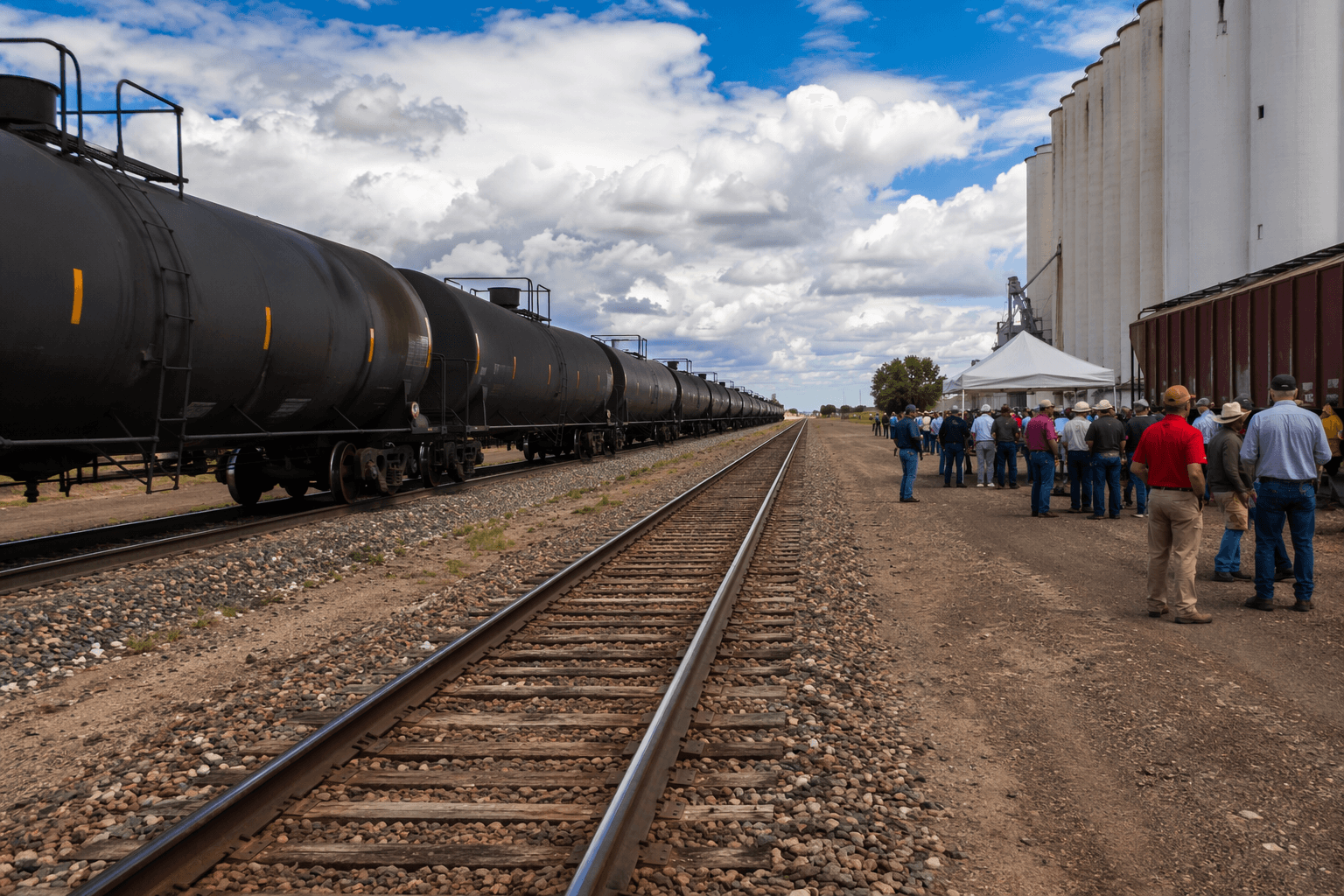
The modern shift began after the Swift beef-packing plant near Guymon closed in 1987, when local governments started looking for a new industrial base. Guymon voters then approved a 1-cent sales tax in October 1992 to help attract Seaboard’s pork operation, and the project was a $50 million investment with the potential to employ about 1,400 people. Seaboard opened its Guymon plant in 1995, and by 1997 the facility was operating at full capacity.

How the pork chain works in Texas County
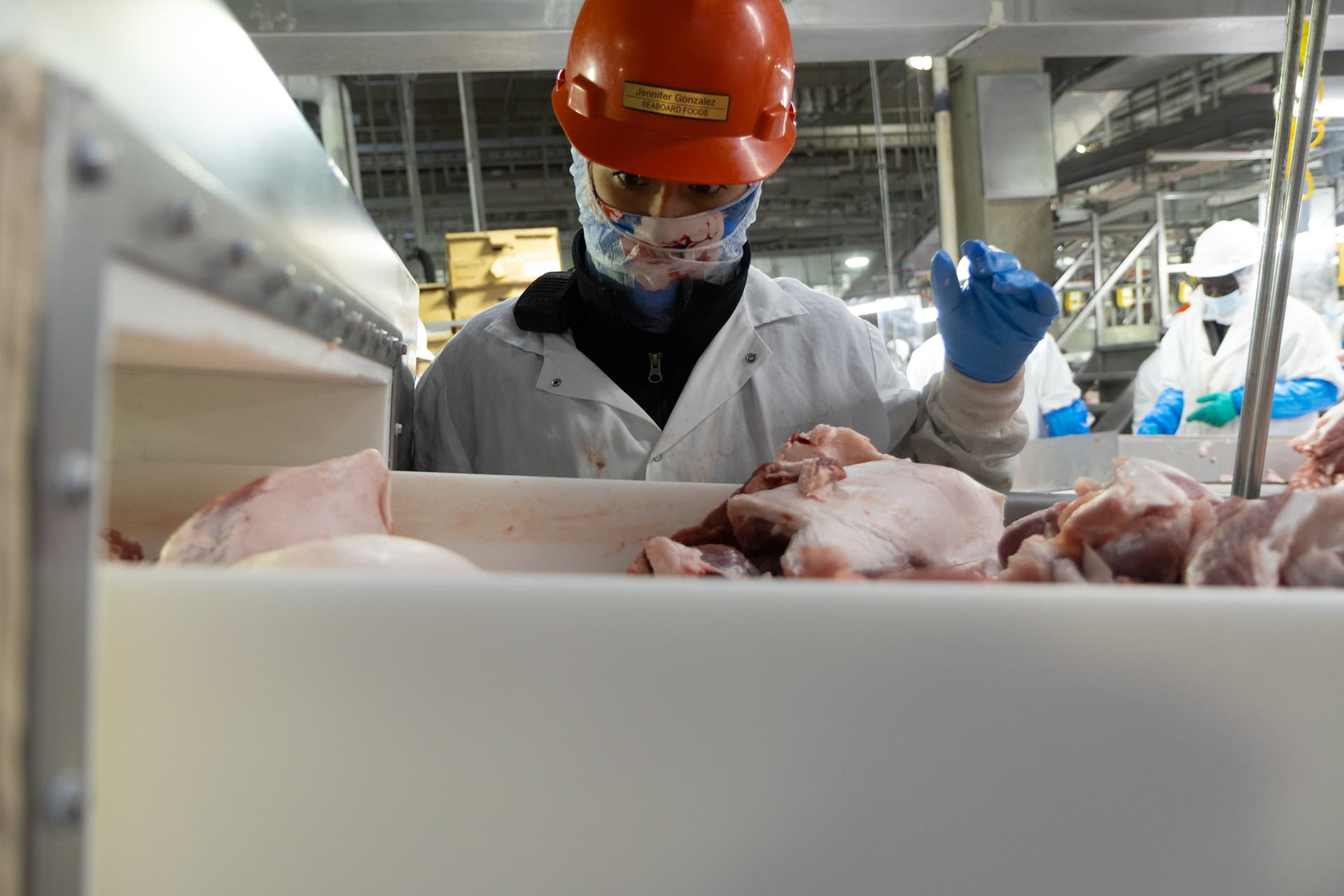
Seaboard’s Guymon complex is not just a slaughterhouse. Seaboard says the plant covers 900,000 square feet, was expanded in 2020 and is SQF certified, with output running at more than 20,000 hogs a day and about 1.4 billion pounds of pork a year. Seaboard also says its connected food system ties together farms in Oklahoma, Kansas, Texas, Colorado and Iowa, with eight feed mills in those states producing up to 15 feed rations and 100% of market hogs traceable back to their finishing farm. The Guymon plant functions as a logistics hub as much as a processing site: grain moves into feed mills, hogs move through breeding, farrowing, nursery and finishing, and product moves out again on a regional and national supply chain.
Jobs, wages and the businesses that grew around them
Seaboard’s 2025 company release put the Guymon plant and nearby hog operations at more than 3,300 workers, while the company’s facts page lists 2,803 workers at the Guymon processing plant and 2,693 more in farm operations across five states. By the early 21st century, Seaboard had become the vicinity’s largest employer. Once those jobs arrived, the retail economy followed with new restaurants, grocery stores and several full-service hotels, along with a growing immigrant workforce that helped fill the shifts.
Who made money and how public finance changed
The money flow around Seaboard spread beyond payroll. Seaboard says its feed system purchased 308,910 tons of grain from local farmers, creating a market for corn, sorghum and wheat in the High Plains. Public finance changed too: the 2019 expansion agreement approved by the Guymon City Council built on the city’s earlier use of tax increment financing, with the plant generating a $220,000 annual payment to Guymon Public Schools and up to $3 million in wastewater and lagoon work tied to the project. The Oklahoma Department of Commerce put the original plant decision at more than $65 million in corporate investment and 1,500 jobs.

The trade-offs: water, roads and the cost of growth
The cost of that growth is most obvious in water. In 2024, Guymon city officials said Seaboard’s plant was using about 3,500 gallons of water a minute, roughly three times the amount used by all Guymon homes combined, before the company cut back to under 1,800 gallons a minute after city officials asked for voluntary reductions. Mike Shannon, Guymon’s interim city manager, described the city hall office as a water “war room,” with 17 groundwater wells running near capacity from the Ogallala Aquifer. The city is planning four new wells, and that work could raise residential water bills by as much as 60%.
This article was produced by Prism’s automated news system from verified source data, official records, and press releases, then run through automated quality and moderation checks before publishing. The system is built and supervised by the people who set the standards it runs under. Read our full AI policy.
Did this article answer your question?