11 Sourdough Secrets for Starter Health, Flavor Control, and Rescue
Irina Totterman compiled 11 practical sourdough tips that sharpen starter care, flavor control, and rescue techniques—essential reading for home bakers who want reliable fixes and clearer timing.
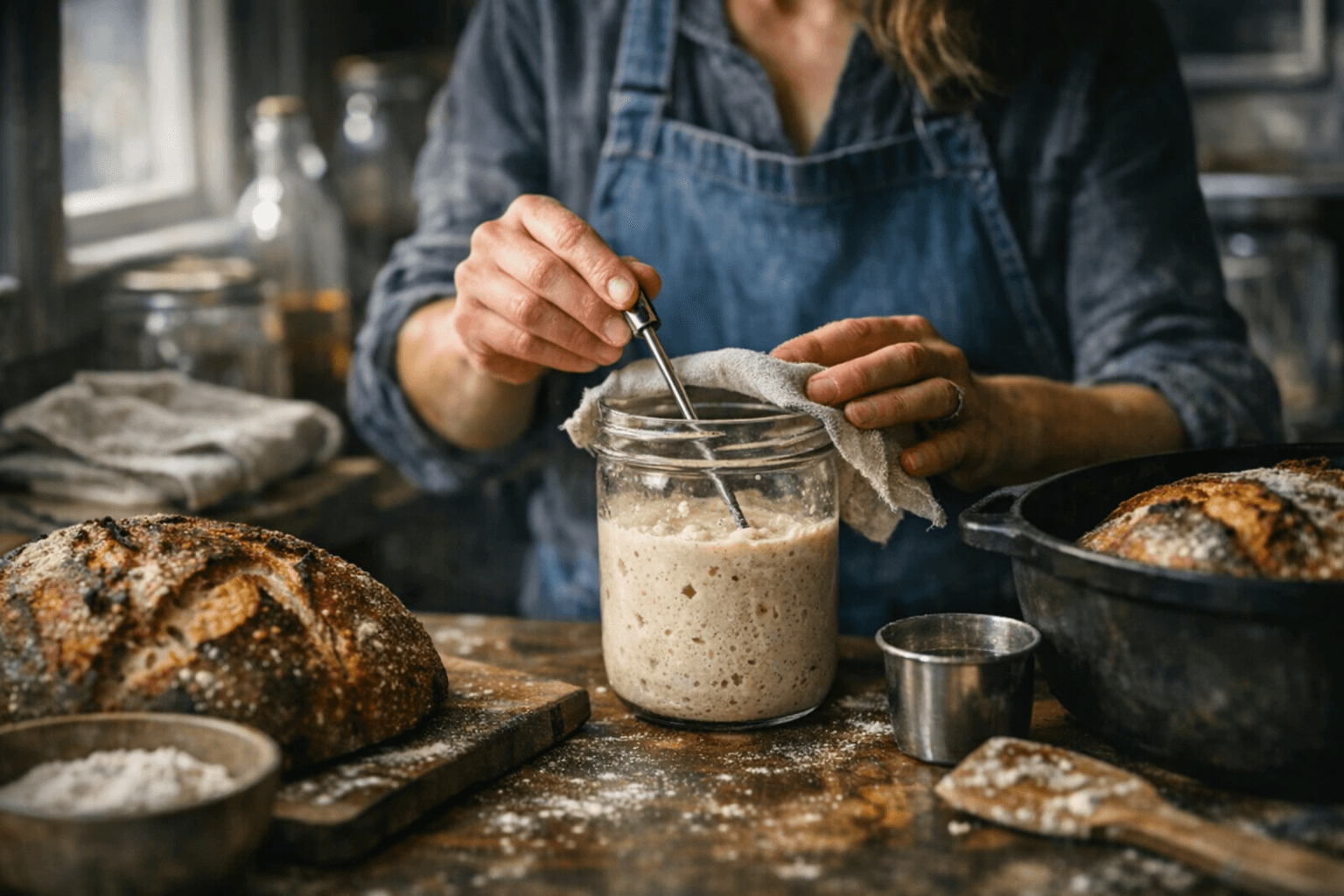
I was intimidated to make my first loaf of sourdough bread. I’d heard others talk about flat and dense loaves—dough that never rose. It wasn’t until I read a sourdough book cover to cover and painted it with post-it notes, highlights, and dog-eared pages that I felt ready to put my newborn sourdough starter to work. I bought flour. I filtered water. I measured. I mixed and kneaded. I folded ever-so-gently while I held my bread until, hours later, I pulled my first sourdough from the oven." That first-hand scene opens a practical primer assembled by Irina Totterman that lays out 11 tips for starter health, flavor control, and rescue techniques.
Totterman’s core point is straightforward: your starter does more than power a rise; it shapes freshness and flavor over days and loaves. The guide foregrounds basic processes and clarifies common stumbling blocks. One essential concept explained in detail is levain: "A levain is made by mixing a small off-shoot of your ripe starter with water and flour and allowing it to ferment before mixing it into a dough. You can always use your starter directly to make sourdough bread, but a levain is a small off-shoot that allows you to adjust the flour, hydration, and ripening schedule... the entirety of the levain goes into the dough and has the same fate as the bread itself: to be baked in the oven." Use levain to dial flavor and timing without risking your mother starter.
Totterman and shared resources also stress fermentation stages. "The dough’s first rise is called bulk fermentation. After mixing the flour, salt, and levain into a dough, you put it all into a bowl or container, cover it, and let it rest. The dough will undergo a fermentation process during this critical step. Bacteria and yeast begin to generate organic acids and alcohols and leaven the dough, which will translate to flavor and rise in your final bread." Knowing when bulk fermentation is doing its work makes it easier to read dough rather than watches.
Community voices underscore timing variability. Reader Anja reports starter and proofing can be slow: "It can take up to 10 days, especially if you have never made or had a SD starter before. Keep stirring it every day. Hope this helps ~ Anja" and that dough sometimes needs "3-4 hours instead of 45 min to an hour." Those concrete numbers matter when you plan a bake day or troubleshoot a sluggish starter.
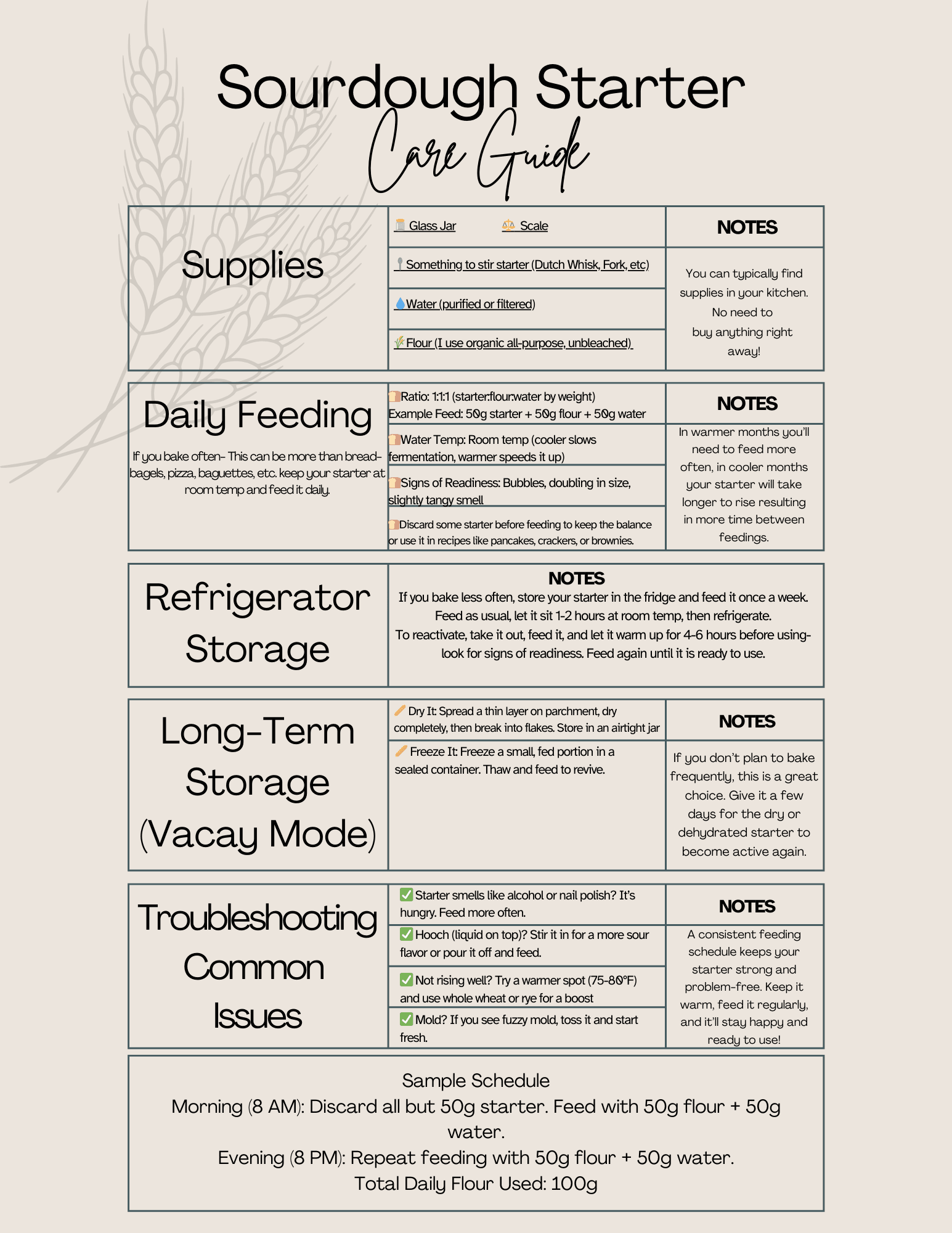
On flour choice, King Arthur Baking’s strong advice is clear: "Rye flour is best for your sourdough starter." That recommendation sits alongside practical flexibility: all flours "harbor wild yeast" and you can often "just use what you have." For rescue and troubleshooting, don’t panic. "No, you almost certainly didn’t. While sourdough starter can die under extreme circumstances (e.g., having been fed with boiling water), it’s actually really hard to kill. ... Keep feeding it on a regular schedule and eventually, it’ll start bubbling again." If a starter feels too thin, try this direct fix: "If your starter seems thin (easily pourable rather than gloppy), try feeding it a bit more flour until it thickens up; alternatively, you can feed it with higher-protein (higher-absorption) bread flour."
Beyond technique, Totterman and community contributors insist on patience and perspective. "Think about how previous generations learned about sourdough baking: their mothers would teach them right there in their kitchens... Therefore, I always tell people to never give up." And a final note on baking culture: "Now, take a deep breath and relax. Your ego should never be tied to how many Instagram likes your bread photo gets... Always remember: there are no baking police. Plain and simple, if you're happy with the sourdough bread you bake, it's a success."
For home bakers, the takeaway is actionable: treat your starter as the control center for freshness, use levain to manage flavor and timing, favor rye early if you can, and apply simple rescues like thicker feedings and steady refreshes when things lag. Expect variable proof times, practice the feel of dough through bulk fermentation, and give the starter time to respond.
Know something we missed? Have a correction or additional information?
Submit a Tip