30-year mortgage rate climbs to highest level in nearly nine months
A 15-basis-point jump pushed the 30-year mortgage to 6.51%, adding about $46 a month on a $467,300 loan and squeezing spring buyers.
A 15-basis-point rise in the 30-year mortgage rate is enough to change the math for buyers already stretched by high home prices. On the Mortgage Bankers Association’s record average purchase-loan size of $467,300, the move from 6.36% to 6.51% lifted the monthly principal-and-interest payment by about $46, to roughly $2,957 from $2,911, before taxes and insurance.
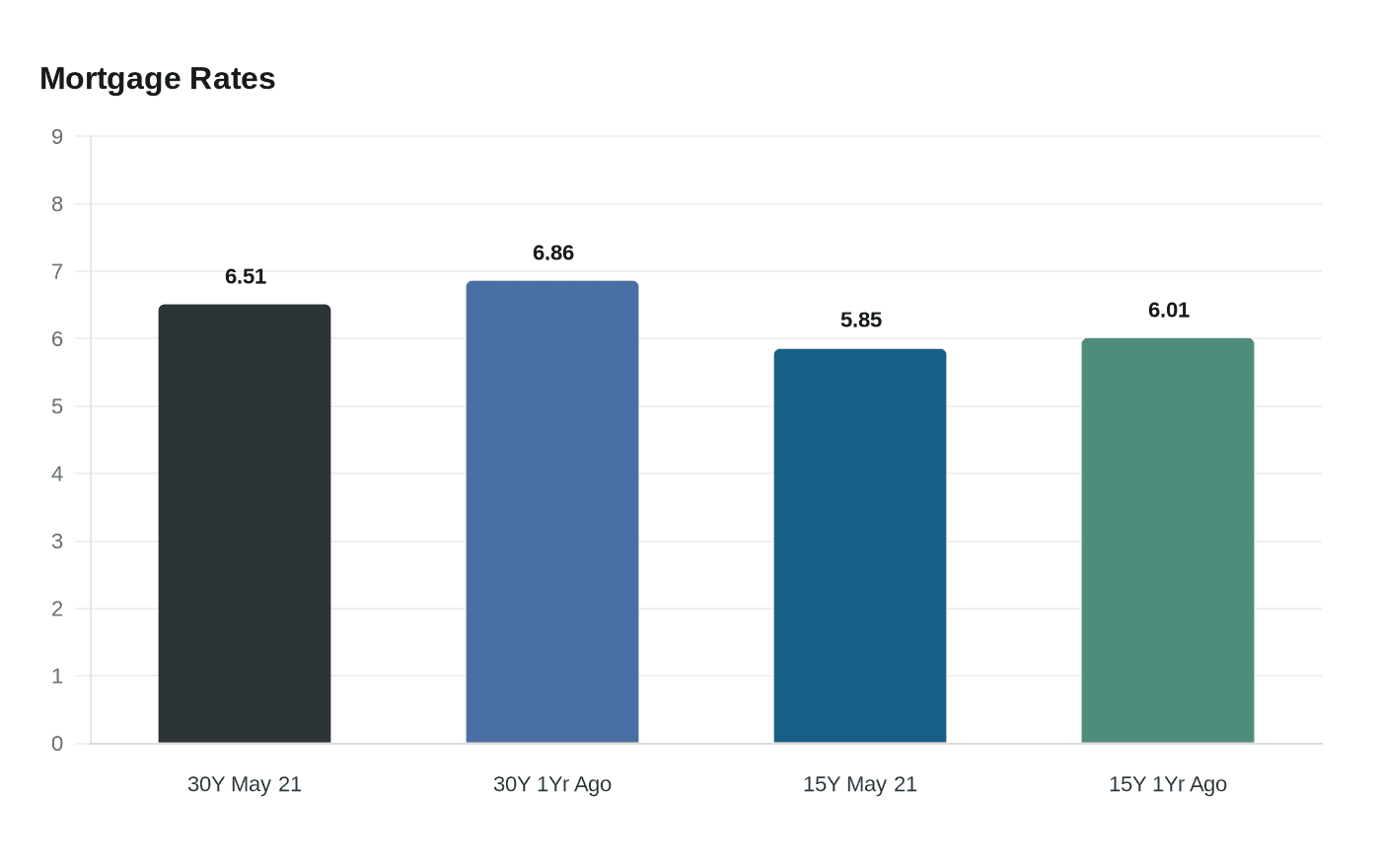
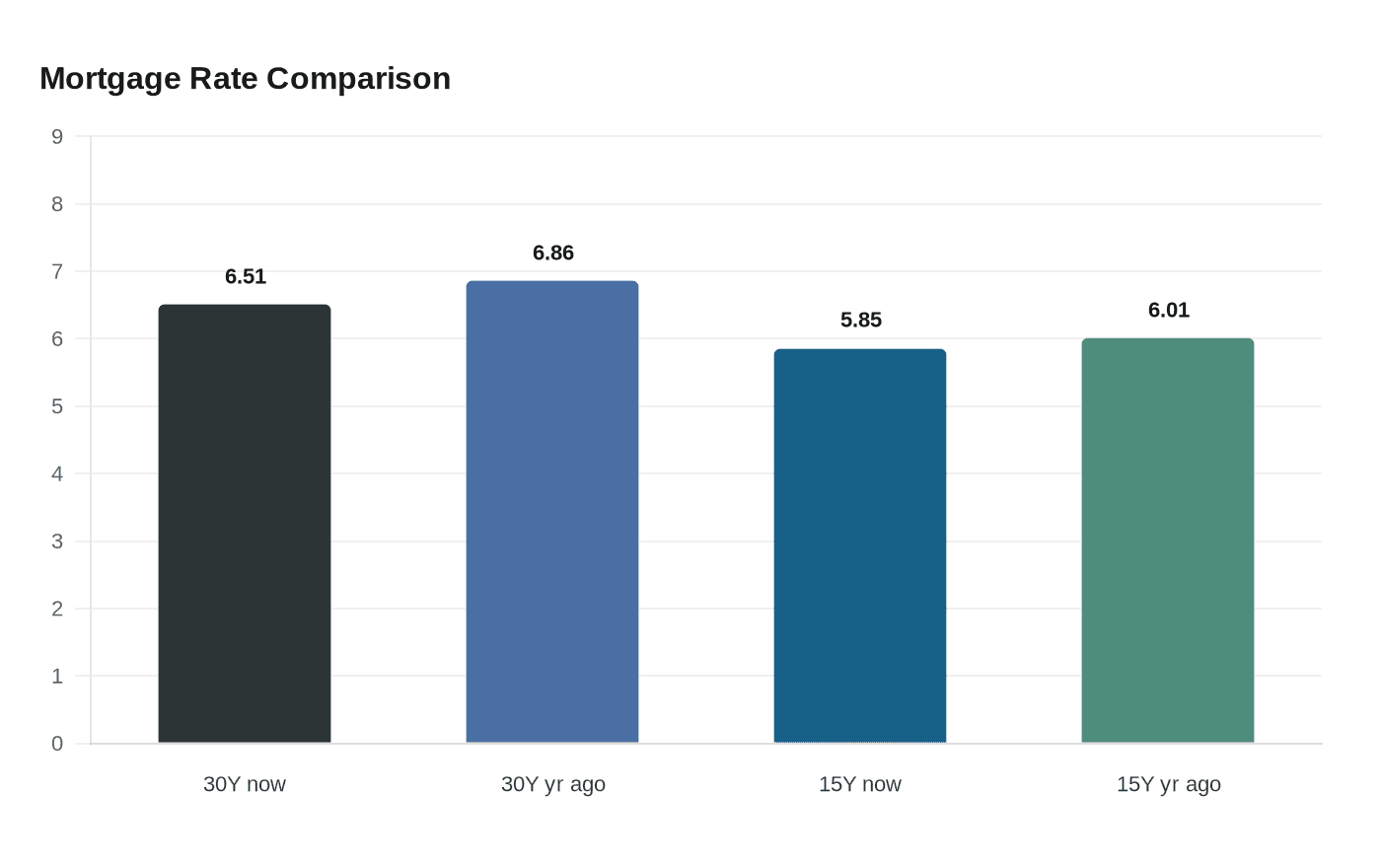
Freddie Mac said the average rate on a 30-year fixed mortgage reached 6.51% for the week of May 21, the highest level in nearly nine months. The benchmark is based on thousands of loan applications submitted through Freddie Mac’s Loan Product Advisor platform and tracks conventional, conforming, fully amortizing home purchase loans for borrowers putting 20% down with excellent credit, so it is a gauge of market direction rather than a quote every borrower will receive. The 15-year fixed mortgage also moved higher, rising to 5.85% from 5.71% a week earlier. A year ago, the 30-year rate stood at 6.86% and the 15-year rate was 6.01%.

The latest increase matters because mortgage rates tend to move with financial markets, especially the 10-year Treasury yield, and are shaped by Federal Reserve policy and investors’ expectations for growth and inflation. Rates have also been trending higher since the war with Iran began, showing how quickly global headlines can ripple through U.S. housing finance. Freddie Mac chief economist Sam Khater said borrowers can potentially save thousands by shopping around and getting multiple quotes.
The pressure is already showing up in demand. Mortgage Bankers Association data released May 6 showed mortgage applications fell 4.4% from the prior week, with refinance applications down 5% and purchase applications down 4%. Joel Kan said the refinance share of applications was the lowest since August 2025, while the average purchase-loan size climbed to $467,300, the highest in the survey’s history dating back to 1990. That combination points to a market where lower-rate refinancing has faded and many prospective buyers, especially first-timers, are hesitating.
Higher rates also reinforce the lock-in effect, keeping homeowners who refinanced or bought at much lower pandemic-era rates from selling and taking on a more expensive new loan. That dynamic tightens supply just as the spring selling season gathers pace, leaving fewer homes available and more competition for what does hit the market. The National Association of Realtors projected in November 2025 that existing-home sales could rise about 14% in 2026 if mortgage rates ease toward 6%, but it also said first-time buyers accounted for an all-time low share of 21% and the median first-time buyer age reached 40. For now, the market is still waiting for relief that has yet to arrive.
Know something we missed? Have a correction or additional information?
Submit a Tip