34 States Sue Concert Giant Over Alleged Price Gouging and Competition Stranglehold
A $2.30-per-ticket overcharge allegation and "robbing them blind" Slack messages headlined closing arguments Thursday in the six-week Live Nation antitrust trial.
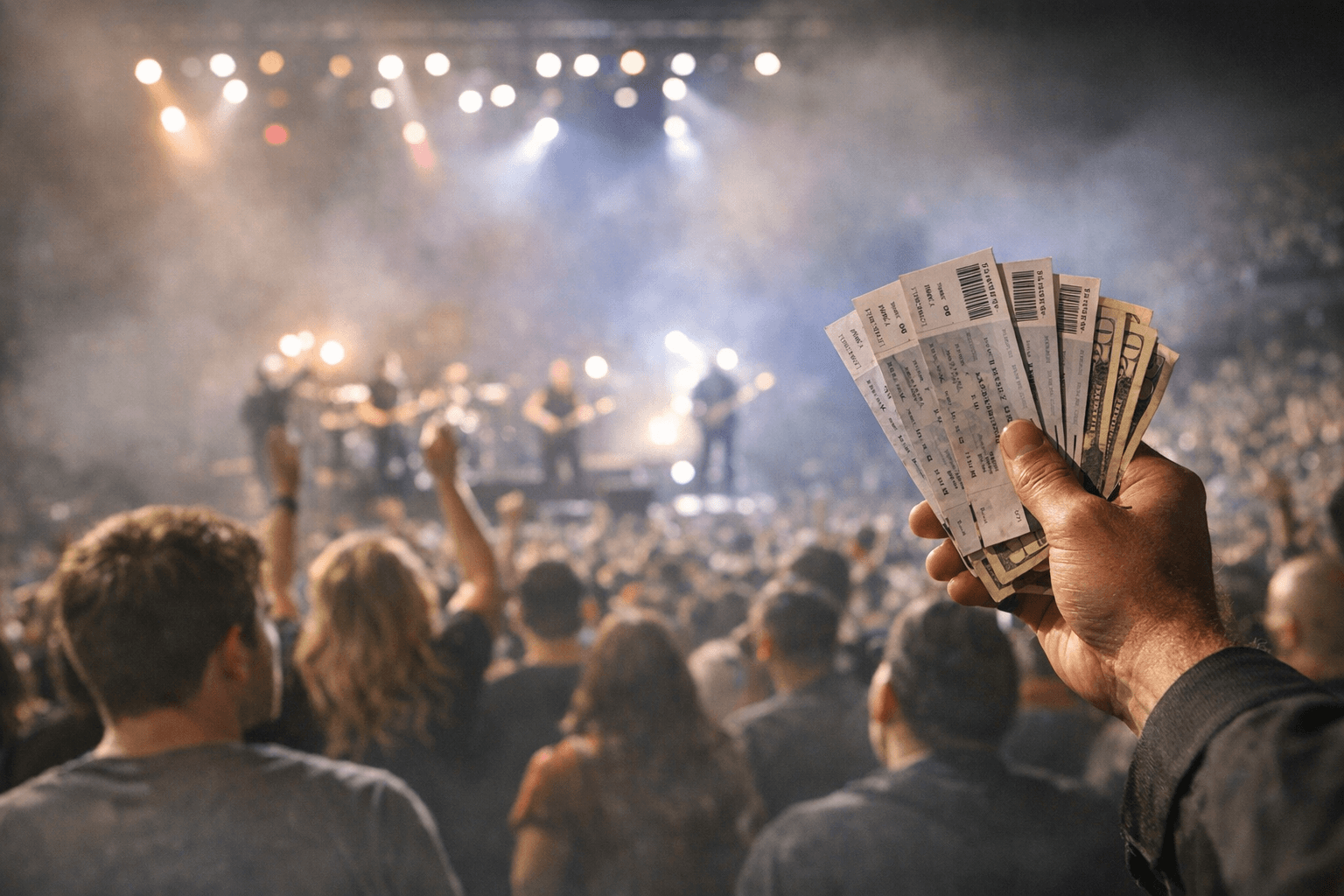
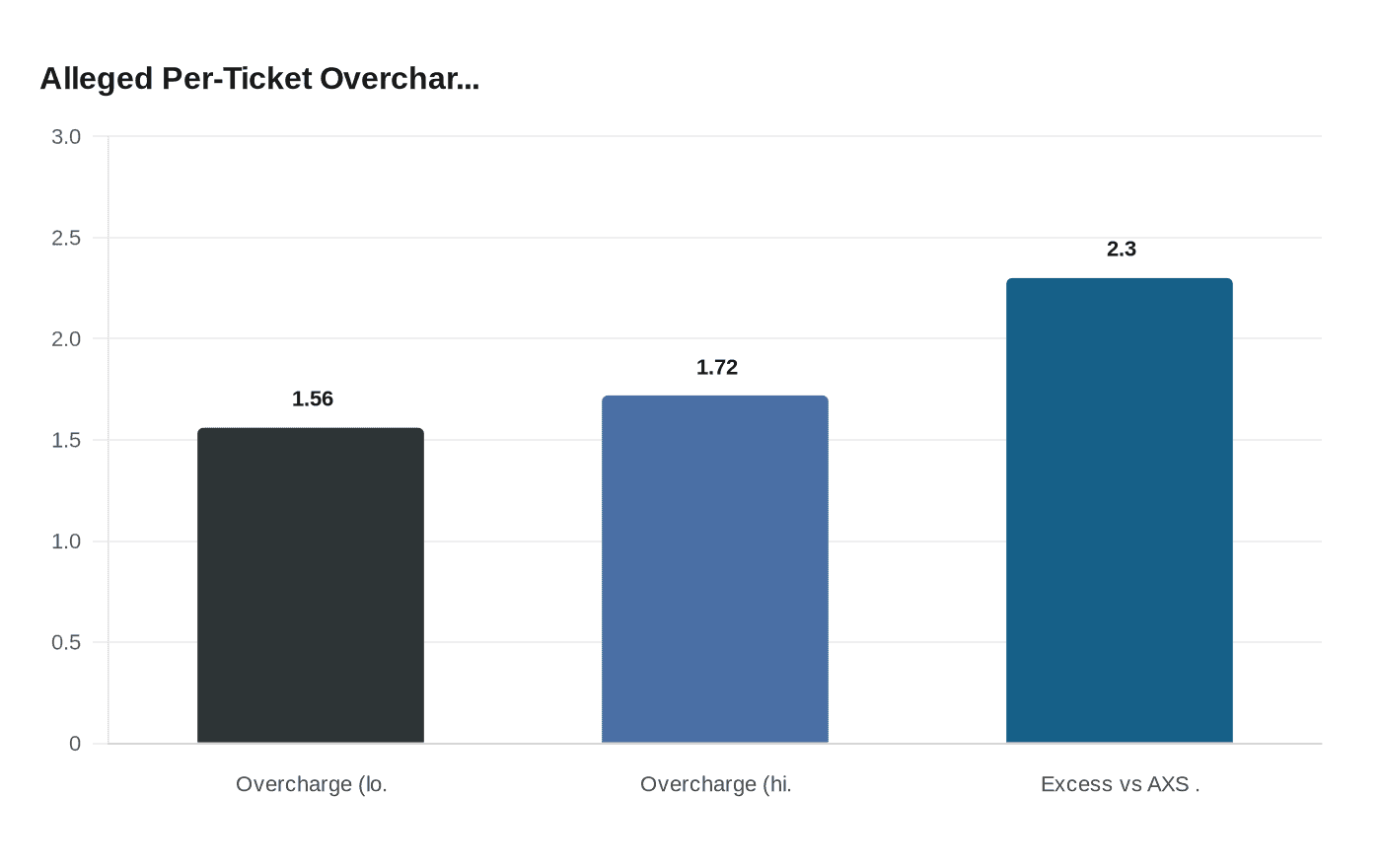
The math that 34 states want a jury to remember is straightforward: their damages expert found that concertgoers paid between an extra $1.56 and $1.72 per ticket because of what the states allege is Ticketmaster's unchecked monopoly power. Multiplied across billions of transactions, that overcharge is the footprint the states have spent six weeks trying to prove.
Closing arguments Thursday in Manhattan federal court put the case in its starkest terms. Jeffrey Kessler, the attorney retained by the states, called Live Nation Entertainment a "monopolistic bully," while Live Nation's lawyer, David Marriott, countered that there is more competition than ever and the company plays fair amid a booming concert business across America.
Live Nation "kept digging the moat deeper around the monopoly castle" for live events by locking up concert venues with lengthy exclusive contracts and threatening any that switched ticket sellers, Kessler said in his closing statement. He reinforced that image by citing CEO Michael Rapino's own words, in which Rapino once boasted that he had "built an incredible moat around the castle of Live Nation." Kessler also highlighted internal communications in which an executive wrote about using a "velvet hammer" while acquiring a rival regional promoter. The most vivid evidence came from a 2022 Slack message in which Ticketmaster employee Ben Baker wrote about "robbing them blind baby" while discussing ancillary fees charged to concertgoers. Rapino, who was on the stand for more than five hours earlier in the trial, called the message "disgusting," yet acknowledged he had taken no disciplinary action against Baker, who has since been promoted to head of ticketing for Live Nation venues.
Underpinning the states' damages case, economist Rosa Abrantes-Metz built her model using AXS, the next-largest primary ticketing company, as a benchmark for competitive pricing. Her analysis found that Ticketmaster retained an excess of $2.30 for every ticket sold on average compared to AXS. Live Nation spent much of the trial's final weeks attempting to have her testimony struck, but Judge Arun Subramanian allowed it to stand.
The federal government led the civil claims case until it settled the lawsuit one week into the trial. The settlement avoided a breakup of Live Nation and Ticketmaster, which was a demand from some of the more than 30 states suing the company. The deal requires Live Nation to divest exclusive booking agreements with 13 amphitheaters, cap ticketing service fees at 15 percent at company-owned amphitheaters, and pay up to $280 million to resolve state claims. Several states, including Arkansas, Nebraska, and South Dakota, accepted those terms. The 34 that did not now stand as the only check on what happens next.
The jury's verdict will determine which of two very different futures the live music industry faces. The 15 percent fee cap applies only to amphitheaters, a fraction of Ticketmaster's total business. A structural breakup, by contrast, would sever the vertical integration that the states argue lets Live Nation simultaneously pressure venues, steer artists toward its own promoters, and extract supracompetitive fees at checkout. A Harvard antitrust scholar described the DOJ settlement as a "Band Aid" over the symptoms of poor competition, noting that Live Nation remains "such a powerful monopolist" that it retains the leverage to achieve the same ends through other means even under the new restrictions. The company generated $25.2 billion in revenue last year, which is the scale any remedy, behavioral or structural, would have to meaningfully constrain for prices at the box office to actually fall.
This article was produced by Prism’s automated news system from verified source data, official records, and press releases, then run through automated quality and moderation checks before publishing. The system is built and supervised by the people who set the standards it runs under. Read our full AI policy.
Did this article answer your question?

