3D Printing Industry Relaunches Additive Manufacturing Advantage Online Series for 2026
Registration and a call for speakers opened March 4, 2026 for Additive Manufacturing Advantage - a set of four focused online conferences on industrial AM verticals.
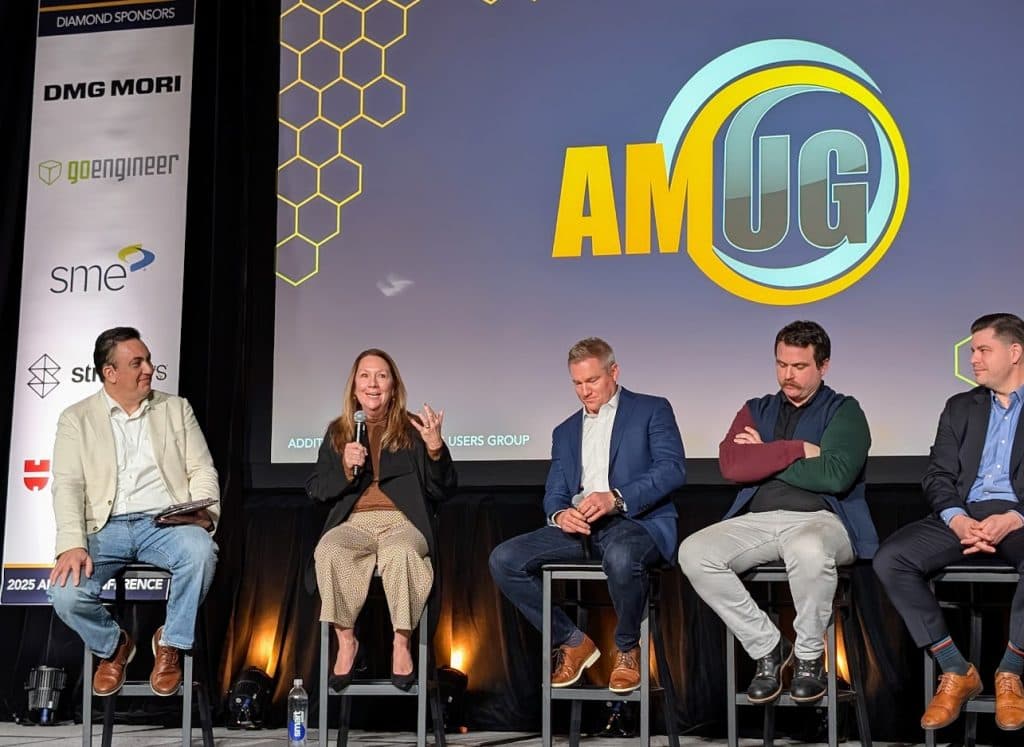
Registration opened and a call for speakers was announced March 4, 2026 as 3D Printing Industry relaunched its Additive Manufacturing Advantage (AMA) event series as “a set of four focused online conferences” examining the real-world industrial deployment of additive manufacturing across core verticals. The publisher says registration is open and is inviting engineers, researchers, and industry leaders to submit proposals to present at the 2026 events.
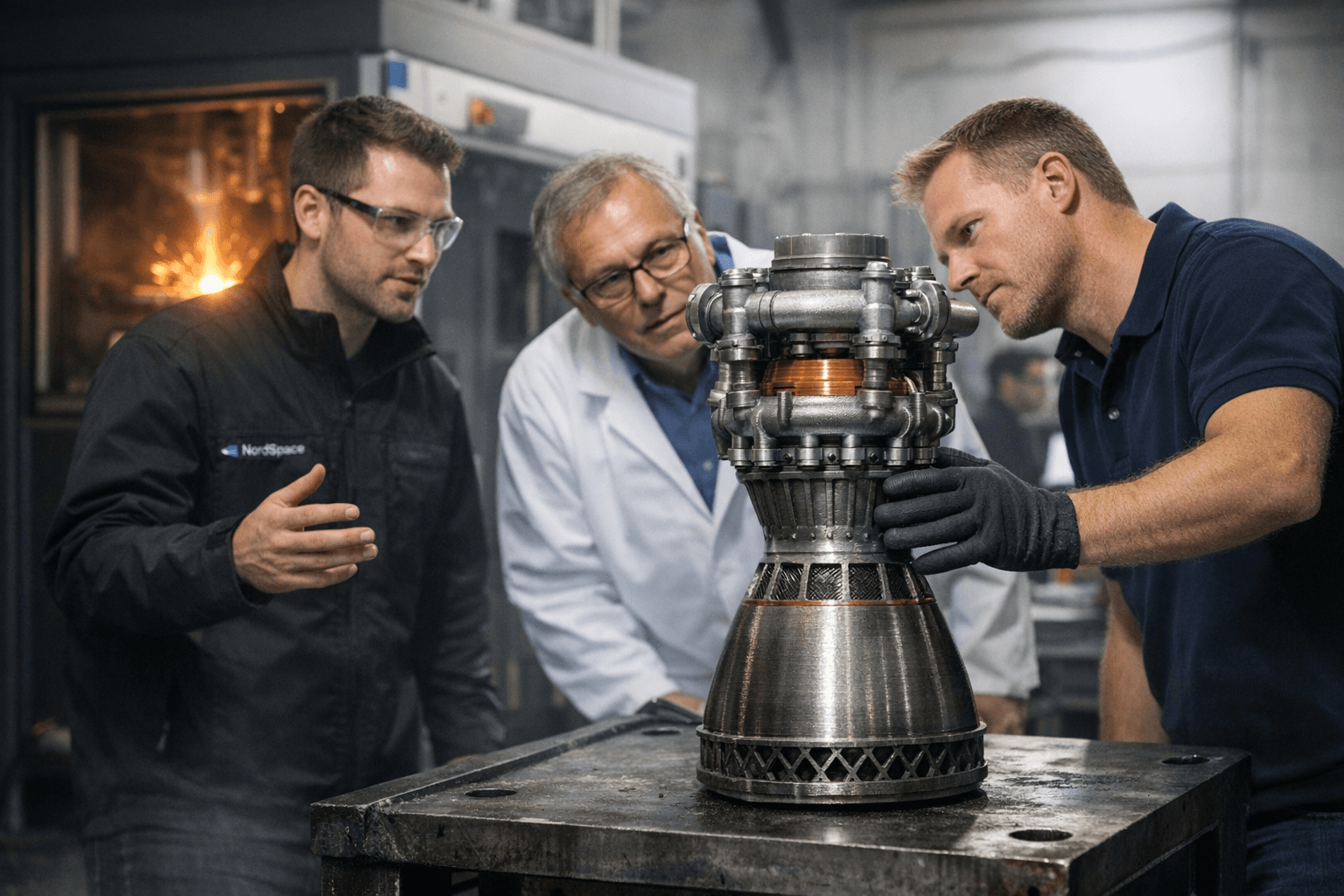
3D Printing Industry lists two of the four vertical conferences by name: AMA: Aerospace Space and Defense 2026 and AMA: Automotive & Mobility (also rendered as AMA: Automotive and Mobility 2026). The aerospace agenda explicitly flags “Design for additive manufacturing in flight hardware,” “Qualification and certification frameworks,” “Satellite and space applications,” and “Defense supply chain resilience” as proposed topics. The automotive event is billed to explore “lightweighting, electrification, and digital supply chains for spare parts and customization.”
The AMA announcement page includes event title variants and event logos, and the site layout carries related industry imagery and tiles — for example an image credit reads Image via DB alongside a Deutsche Bahn high-speed train, Photo via Hexagon shows a HYPERSCAN handheld scanner at work, Photo via SHINING 3D features the EINSTAR and EinScan Rigil scanners, Photo via Alloyed Ltd shows a 3D printed honeycomb tile created using ABD-1000AM, and Photo via QinetiQ appears with an Agusta A109. The announcement excerpt on the site contains a “0Shares” widget line, indicating the page template includes social-share elements though no share metrics are supplied in the excerpts provided.
Market context accompanying the relaunch points to Grand View Research findings: “The automotive segment dominated the market in 2025,” and the analyst’s vertical list — “automotive, aerospace and defense, healthcare, consumer electronics, industrial, power and energy, and others” — maps directly to the AMA’s stated vertical focus. Grand View Research also notes that “The aerospace and defense, healthcare, and automotive verticals are anticipated to contribute significantly to the growth of industrial additive manufacturing during the forecast period, owing to the active adoption of technology in various production processes associated with these verticals,” citing drivers such as shortening development cycles, enhanced design flexibility, and cost reduction versus traditional manufacturing.
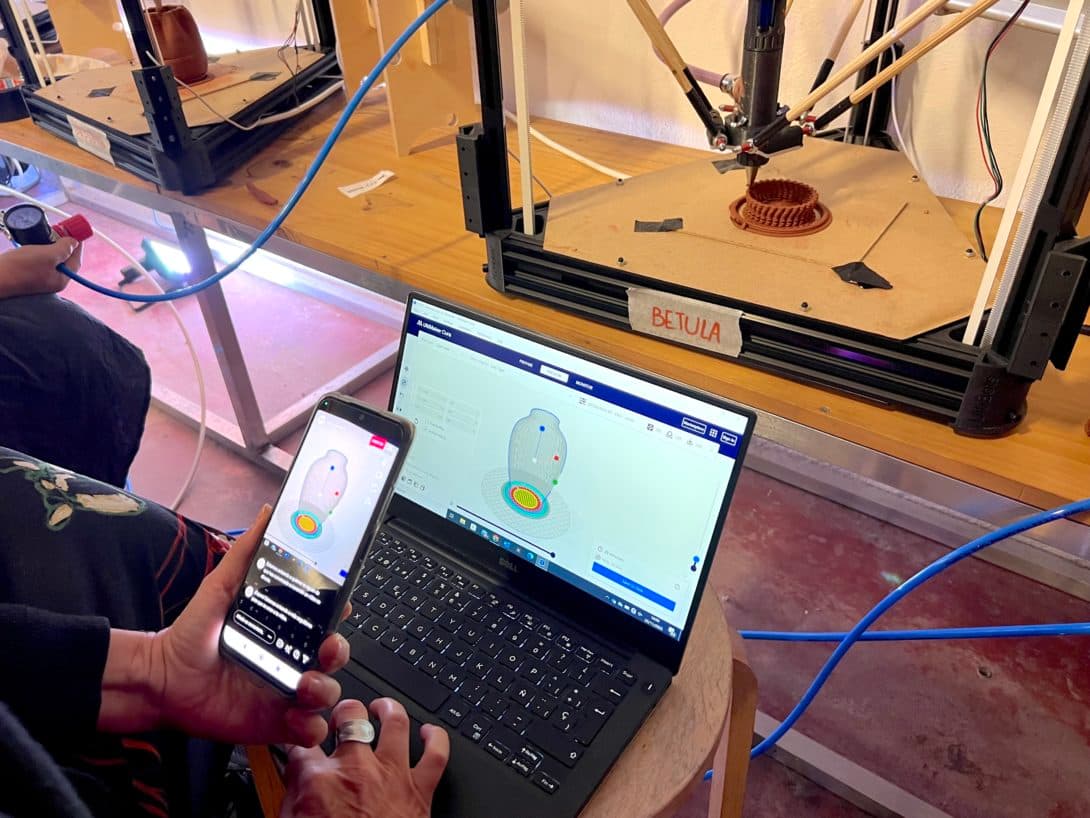
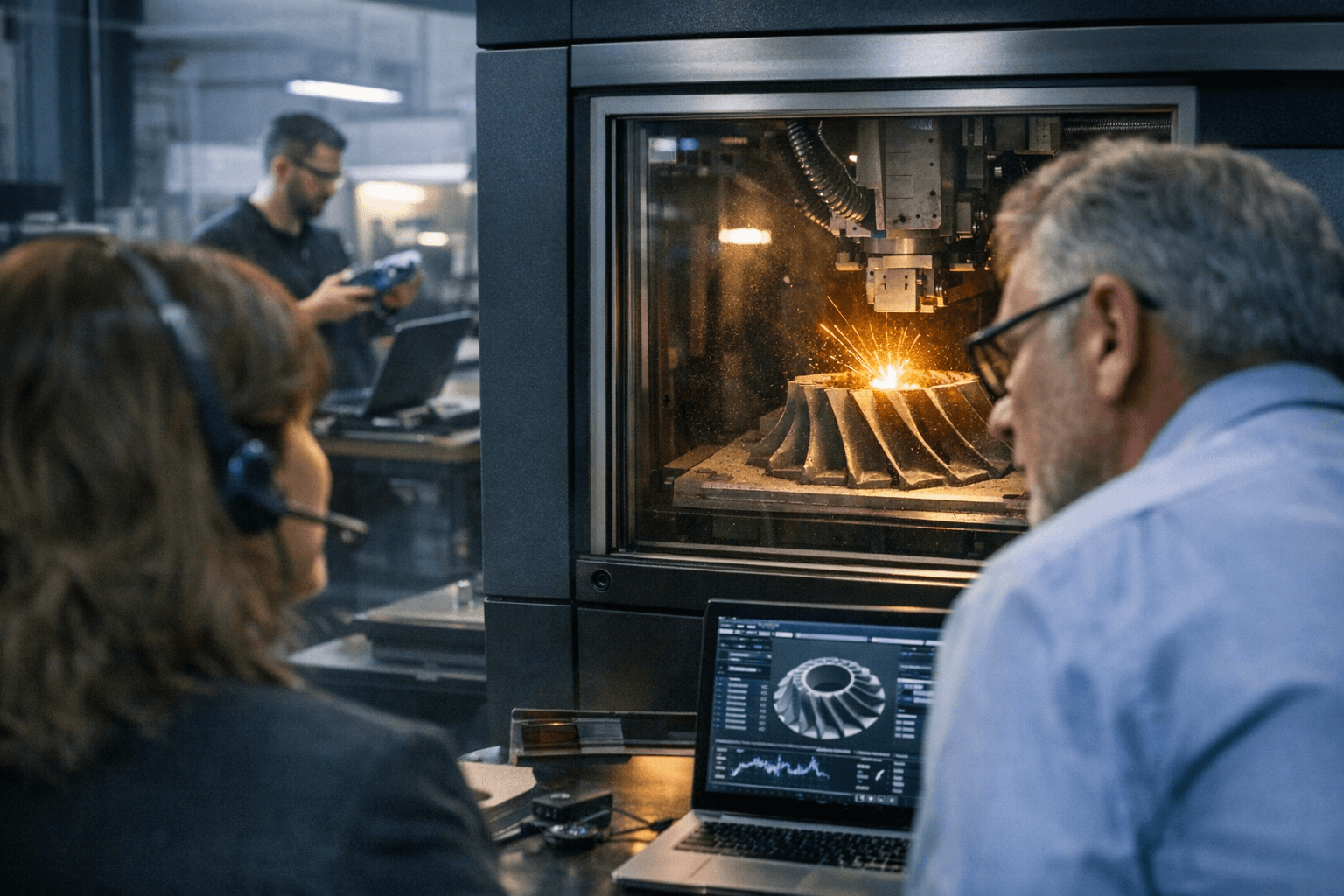
Vendor perspective from Formlabs frames the technology shift the AMA will cover: “3D printing has been ubiquitous in prototyping and product development for decades. Now this maturing technology is entering widespread use in manufacturing.” Formlabs highlights that improved high-throughput printers and materials make 3D printing practical for small and mid-scale manufacturing “in some cases up to tens of thousands of units,” that metal AM works with “steel, titanium, nickel alloys, and aluminum,” and that “Investment in metal AM has skyrocketed, with process improvements and new technologies driving down cost per part.”
Technical and academic examples that the AMA will likely draw on include the PMC/NCBI excerpt noting “MX3D, a business that specializes in Robotic Wire Arc Additive Manufacturing (WAAM), has completed the printing of an industrial pipeline clamp,” and that WAAM could offer advantages including “very little to no waste materials if built from the ground up” and “minimising final machining time.” The PMC excerpt also states “Cold spray AM has enormous potential to change the size and distribution of Industry 4.0 with remarkable sustainable benefits with minimal impact on environment as it is a green technology .”
Historical framing on the AMA pages echoes encyclopedia material: “In the 1980s, 3D printing techniques were considered suitable only for the production of functional or aesthetic prototypes, and a more appropriate term for it at the time was rapid prototyping.” That account continues that “As of 2019 the precision, repeatability, and material range of 3D printing have increased to the point that some 3D printing processes are considered viable as an industrial-production technology,” and highlights milestones such as the 2012 Filabot closed-loop plastic system and the 2014 VIPRE printed electronics demonstration.
Several practical details remain unlisted in the announcement excerpts: the exact dates and schedules for each of the four conferences, the names of the two vertical events not explicitly named, registration pricing, speaker submission deadlines, and speaker selection criteria. 3D Printing Industry’s March 4, 2026 announcement reopens the calendar and the conversation; if the AMA series follows the topics and sector signals set out on the site, it will concentrate operational AM debates where Grand View Research and vendors such as Formlabs say industry adoption and investment are already strongest.
Know something we missed? Have a correction or additional information?
Submit a Tip