AAA expects record 72.2 million Americans to travel for July 4th
AAA sees 72.2 million Americans traveling for July 4th week, with 61.4 million on the road, $810 average round-trip flights, and nearly 700,000 roadside calls last year.
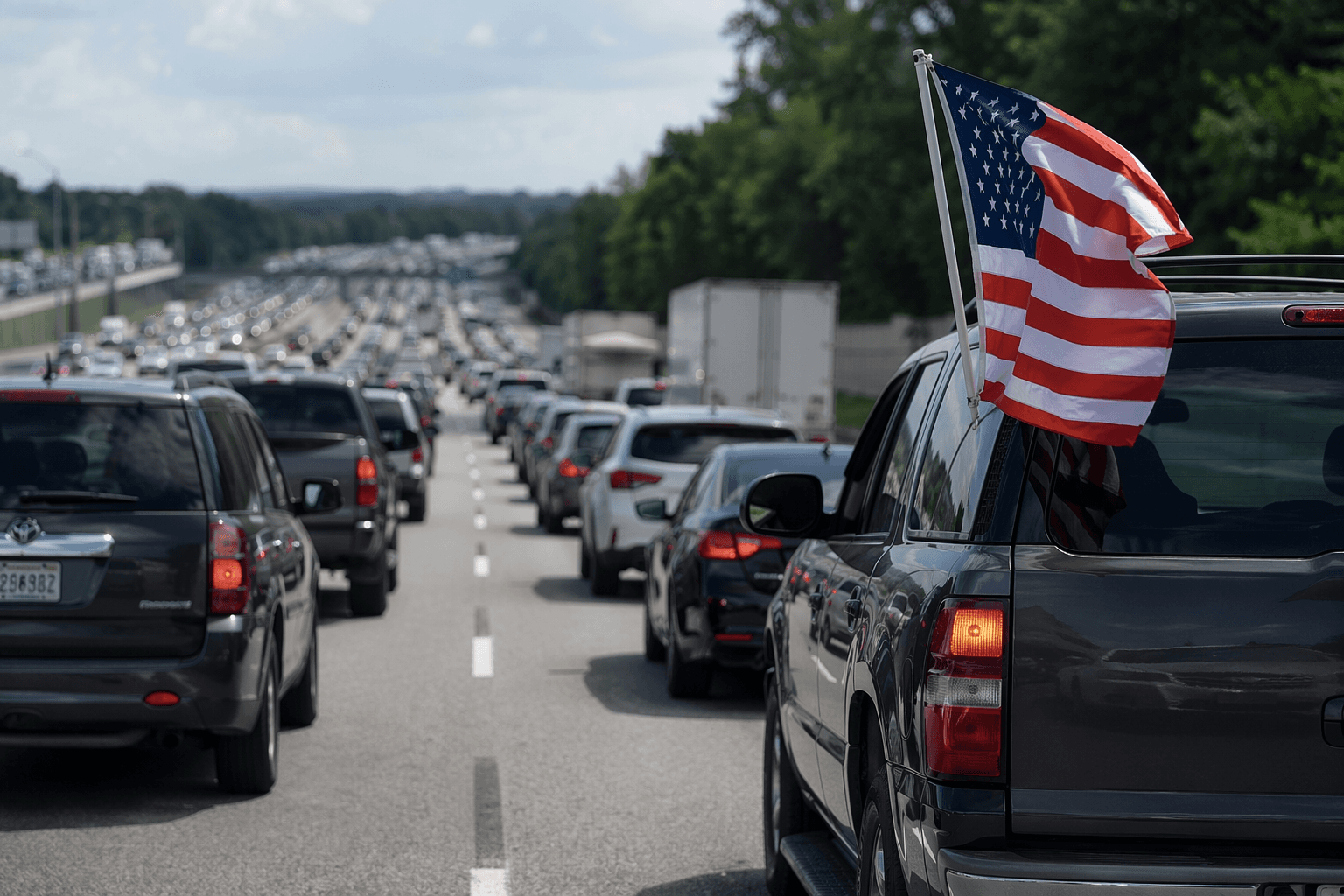
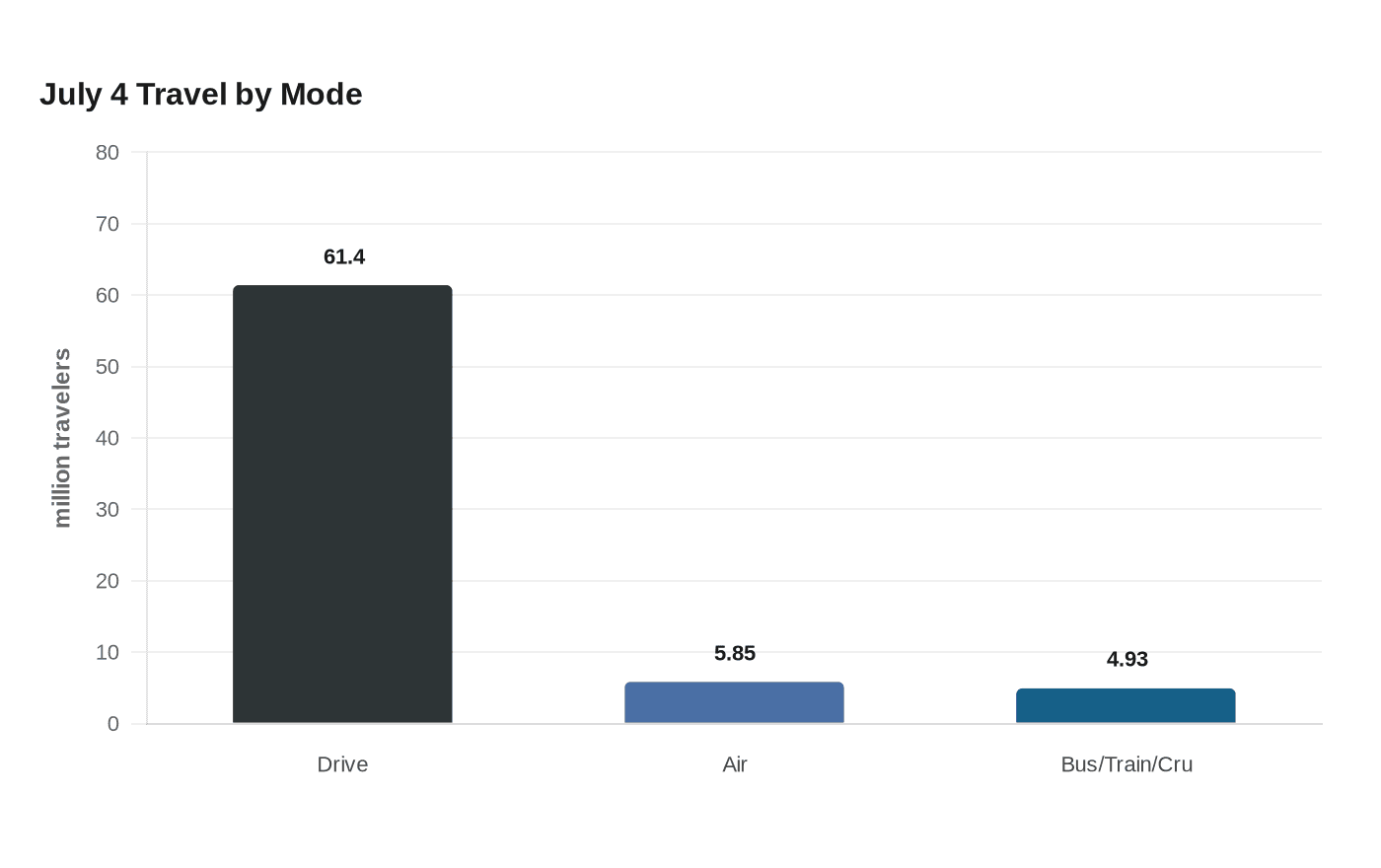
Record travel for the July 4th holiday will hit the roads first, where AAA expects 61.4 million Americans to drive, the highest volume on record. The busiest pressure points will be highways, airport approaches, and rental-car counters serving the nation’s top booked destinations, including Seattle, Orlando, Anchorage, Miami, New York City, Chicago, Fort Lauderdale, Fairbanks, Denver, and Boston.
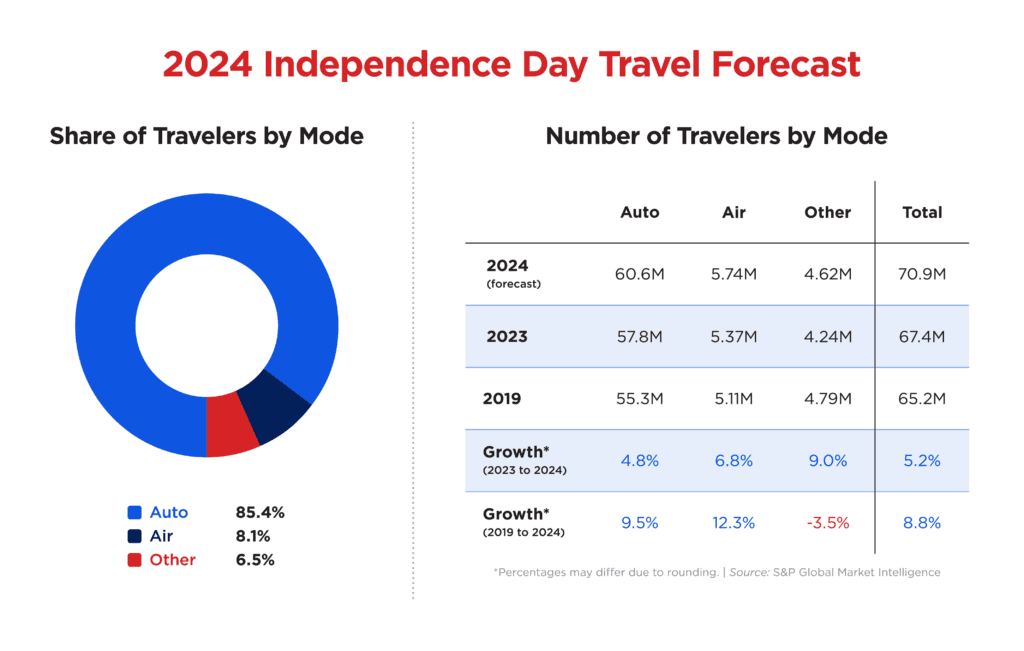
AAA projects 72.2 million Americans will travel at least 50 miles from home during the Independence Day holiday period, a nine-day window running from Saturday, June 27, through Sunday, July 5. That total would edge past last year’s record of 71.8 million travelers and marks an increase of 1.7 million over 2025, with AAA also saying the count is 7 million higher than 2019. For ordinary travelers, the scale matters because the holiday will stretch demand across more than a week, not just the July 4 weekend itself.
Air travel will be heavy, but not as dominant as the roads. AAA projects 5.85 million domestic air travelers, while 4.93 million Americans will travel by bus, train, or cruise, the fastest-growing category year over year. AAA said average round-trip domestic flights are $810, a reminder that flying will remain the most expensive choice for many families even as demand stays strong.
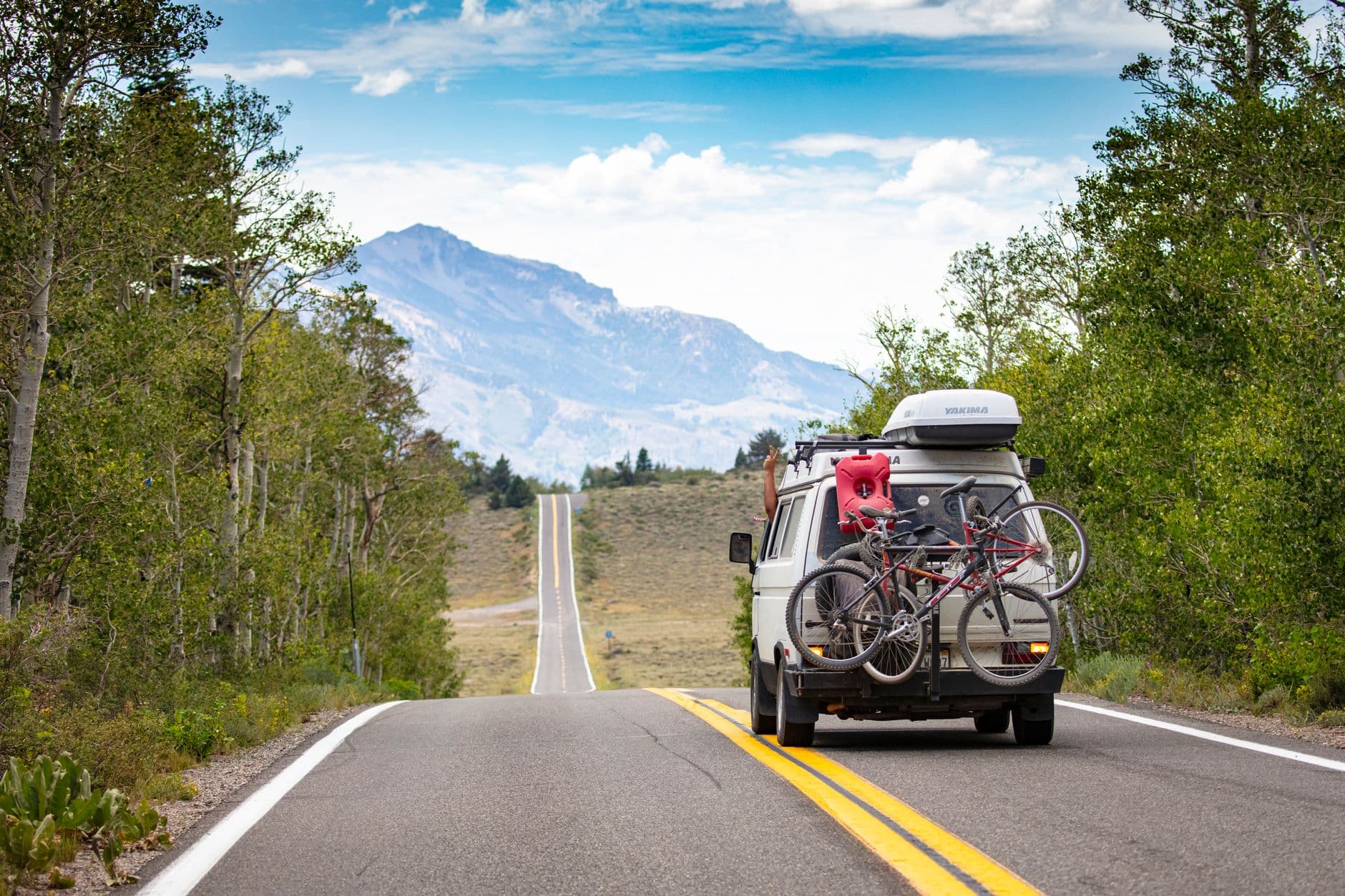
Fuel prices should offer some relief to drivers compared with recent years, though AAA says some increases at the pump are still showing up and weather or Gulf Coast storms could push prices higher. That makes vehicle prep especially important. AAA says travelers should get cars checked before leaving and pack emergency kits, a lesson reinforced by nearly 700,000 roadside assistance calls nationwide during last July 4 week for dead batteries, flat tires, keys locked in cars, and empty gas tanks.
The travel surge reflects summer vacation demand and a long holiday tradition, but the burden will not fall evenly. Families headed to large metro areas, Florida beaches, Alaska gateways, and Northeast hubs will be competing with the heaviest airport and highway traffic, while those who drive long distances will be the most exposed to breakdowns and weather delays.
This article was produced by Prism’s automated news system from verified source data, official records, and press releases, then run through automated quality and moderation checks before publishing. The system is built and supervised by the people who set the standards it runs under. Read our full AI policy.
Know something we missed? Have a correction or additional information?
Submit a Tip