ACA enrollees skip premiums as subsidy expiration drives coverage drop
Missed ACA premiums signaled a bigger affordability shock, as lost subsidies pushed 2026 costs higher and threatened a weaker risk pool.
Missed ACA premium payments were an early warning that coverage was becoming less affordable, and the consequences were already showing up in 2026 enrollment numbers. As enhanced premium tax credits expired, more Marketplace customers were dropping off or struggling to keep up, a shift that can leave insurers with a sicker risk pool and set the stage for higher premiums next year.
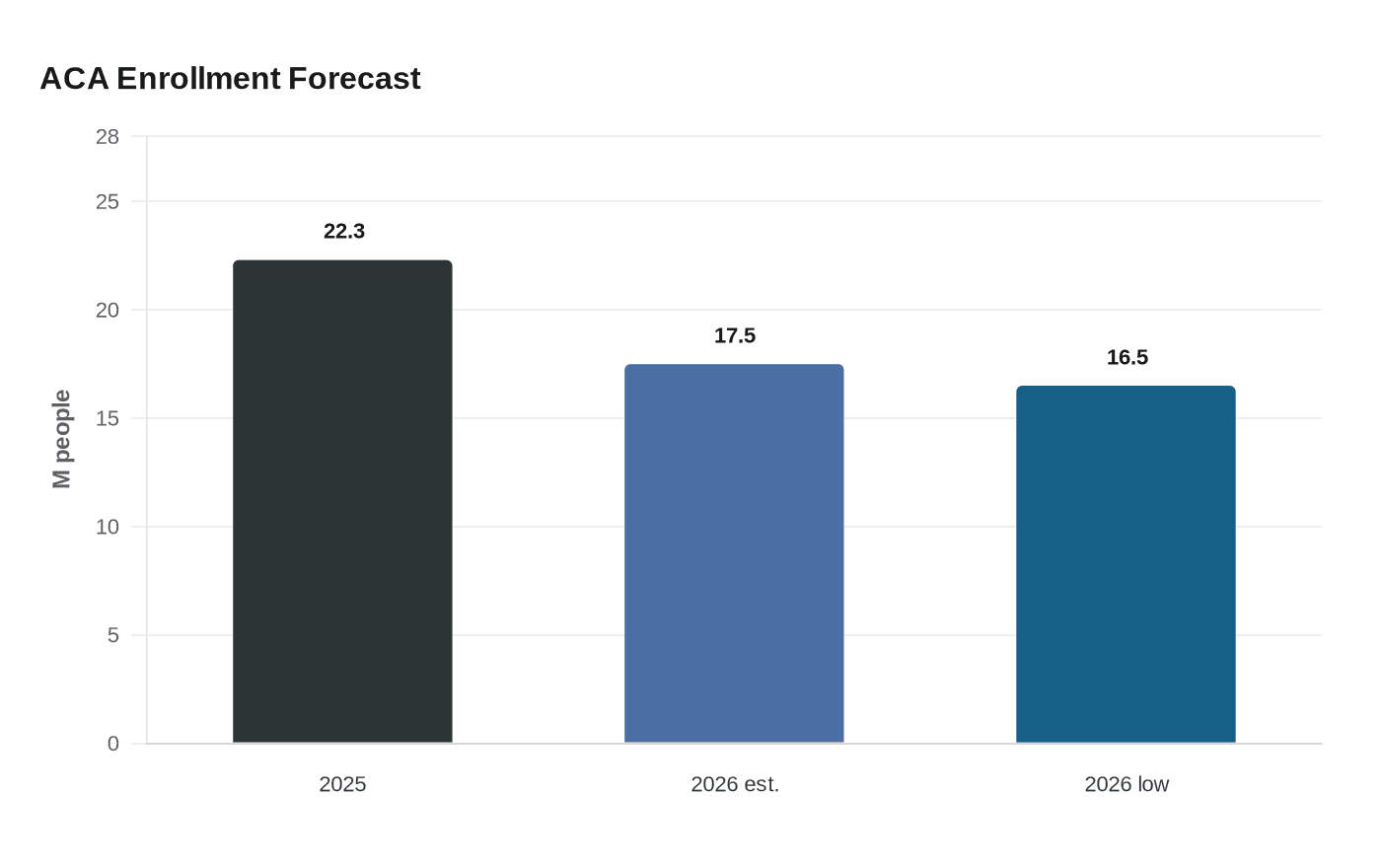
KFF estimated average monthly effectuated ACA Marketplace enrollment could fall to about 17.5 million people in 2026, and could drop as low as 16.5 million, down from 22.3 million in 2025. The group said the decline reflected the end of the enhanced premium tax credits that had been created under the American Rescue Plan in 2021 and extended through 2025 by the Inflation Reduction Act. Without congressional action, those subsidies expired on December 31, 2025, ending a policy that had helped drive Marketplace enrollment from about 11 million to more than 24 million people.

The cost shock was landing hardest on households close to the subsidy cutoff. KFF estimated that 27% of the decline in sign-ups came from people with incomes between 400% and 500% of the federal poverty level, even though that group made up just 3% of plan selections in 2025. Average enrollee premium payments rose 58%, from $113 to $178 a month. If people had stayed in the same plans, annual premium payments would have jumped 114% on average, from $888 in 2025 to $1,904 in 2026.
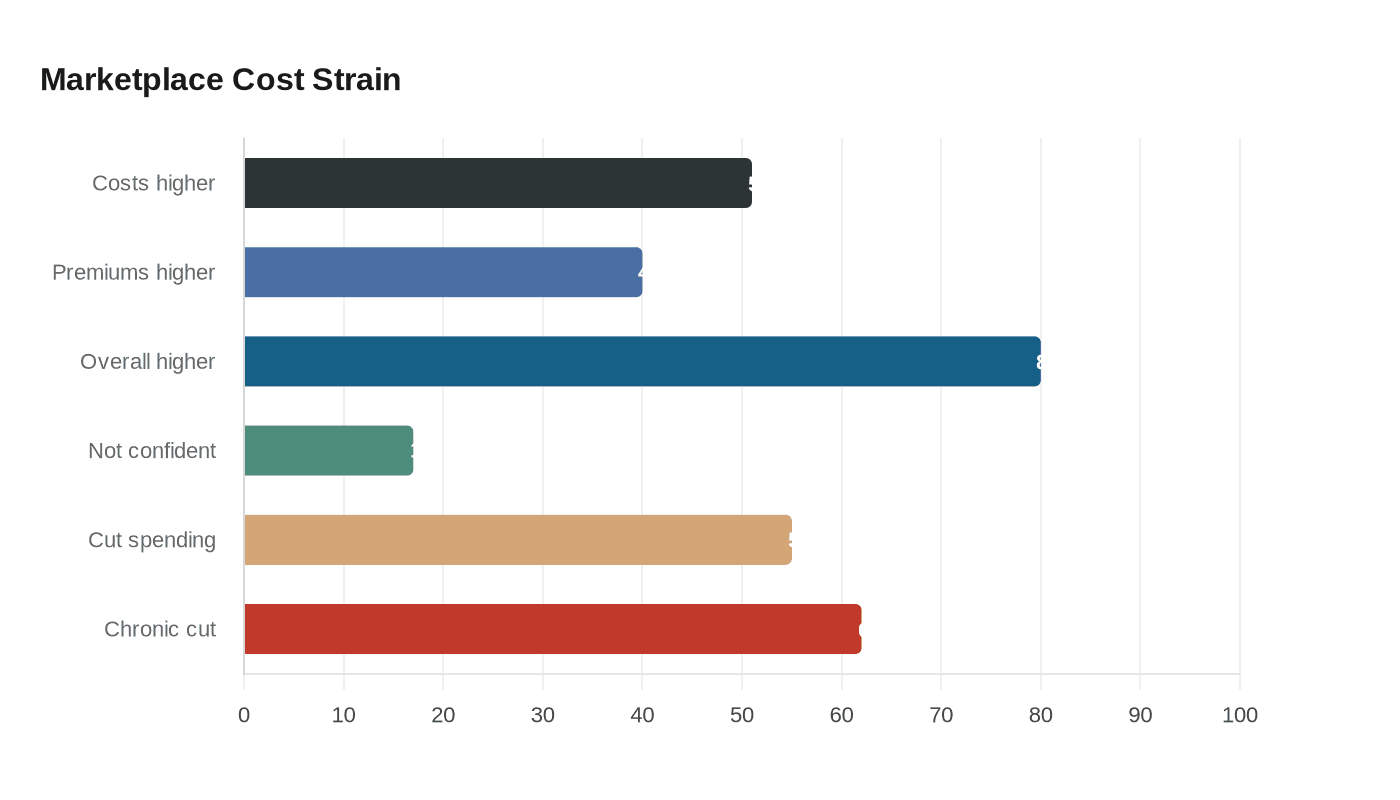
The strain was already changing household budgets. In KFF’s survey of returning Marketplace enrollees, 51% said their health care costs were “a lot higher” in 2026, including 40% who said premiums were a lot higher. Eighty percent said their overall health care costs were higher, and about 17% said they were not confident they could afford their premiums this year. Another 55% said they had cut or planned to cut spending on food or other basic household expenses to pay for care, a figure that climbed to 62% among people with chronic conditions.
Drew Altman, KFF’s president and chief executive, said the pressure would likely intensify as more people struggled to make payments and grace periods expired. Returning subsidized customers generally had a three-month grace period for nonpayment, giving many until March 31, 2026, to catch up before coverage was retroactively terminated. That meant the final effect on enrollment lagged the sign-up totals, and insurers would not see the full fallout until those grace periods ran out.
The Congressional Research Service said the expiration of the enhanced premium tax credits would mean larger premium contributions and smaller subsidy amounts for eligible households in 2026. It also said the Congressional Budget Office expected the uninsured rate to rise if the subsidies were not extended, putting both lower-income families losing fully subsidized coverage and some middle-income households losing all tax credits at greater risk of going without insurance.
Know something we missed? Have a correction or additional information?
Submit a Tip