ActBlue sues Texas attorney general over alleged political retaliation
ActBlue asked a Boston judge to halt Ken Paxton’s probe, saying Texas is using state power to punish Democratic fundraising speech. The fight could reshape campaign-finance tactics nationwide.
ActBlue took its fight with Texas Attorney General Ken Paxton into federal court in Boston on May 1, 2026, asking a judge to block Paxton from pressing ahead with investigations and litigation that the company says amount to political retaliation.
The Democratic fundraising platform said Paxton has used the power of his office to punish ActBlue for its protected speech and political association, turning a regulatory dispute into a constitutional clash over the First and Fourteenth Amendments. Paxton filed his separate lawsuit against ActBlue in April 2026, accusing the platform of misleading Congress and the public about donation practices.
The stakes reach far beyond one Texas investigation. ActBlue says more than 28 million Americans have used its platform and that it has facilitated more than $16 billion in donations to Democratic campaigns and causes. That makes the company one of the most important pipes in modern political money, especially for the small-dollar donations that fuel turnout operations, digital ads and down-ballot races across the country.
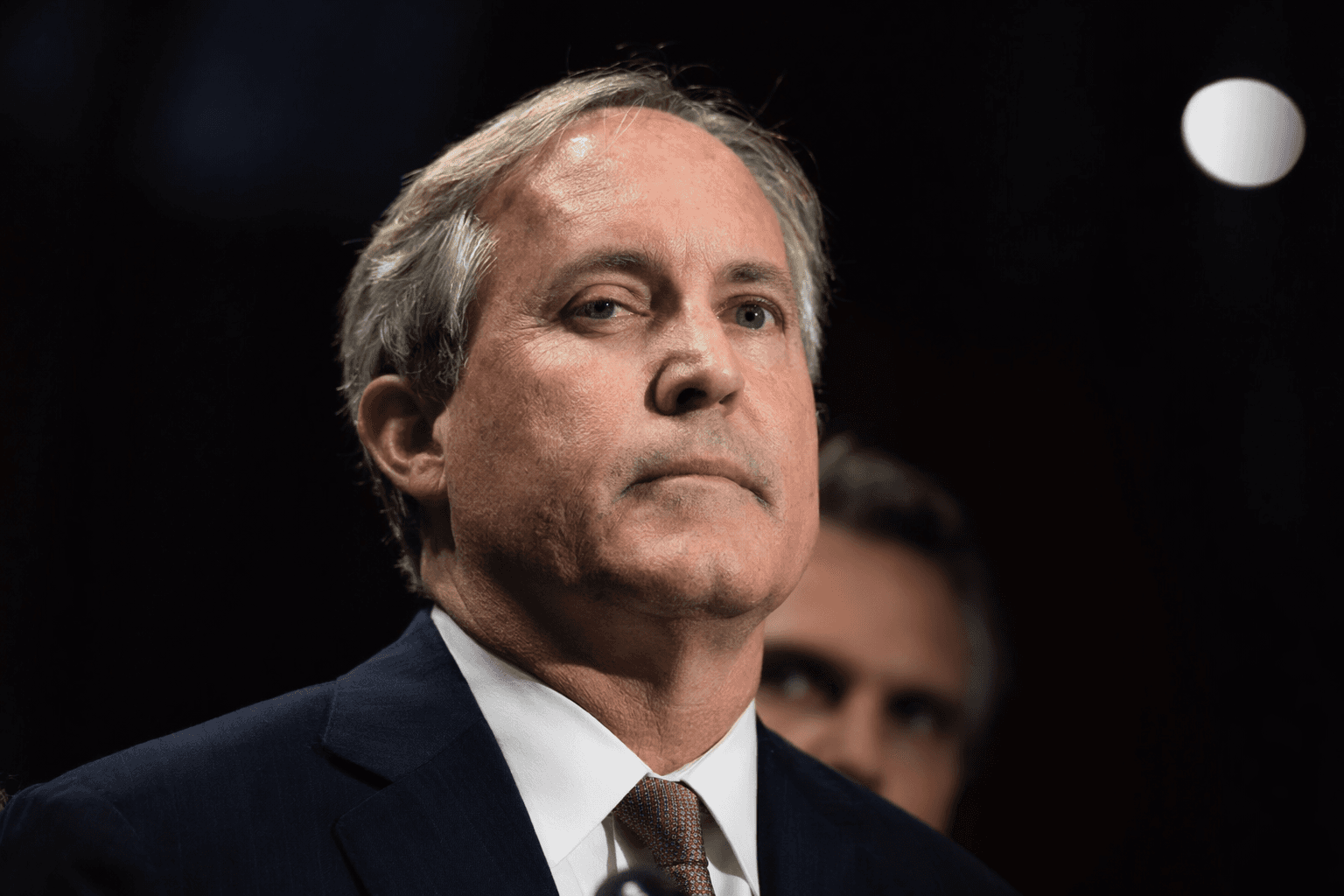
Paxton’s office says it opened its investigation into ActBlue in December 2023. In August 2024, the office said the probe had already changed the platform’s behavior, citing ActBlue’s move to require credit-card donors to provide CVV codes. That detail is likely to matter in court, because it suggests the investigation did not just gather information, but altered how a national fundraising tool operates.
ActBlue has pushed back by casting itself as infrastructure, not a campaign operation. In an April 2026 response, the company said it is a technology platform and conduit, not a fundraising business. Its public messaging has also tried to underline continued strength under pressure, including an April push that said small-dollar donors had raised $568 million before the midterms.

The Boston lawsuit arrives as Republican officials and federal authorities step up scrutiny of online political fundraising, with President Donald Trump having previously directed the U.S. Department of Justice to examine ActBlue and similar platforms. ActBlue has also leaned into the fight politically, launching a public campaign page called “Drop the Lawsuit Ken!”
The case now asks a federal court to decide how far a state attorney general can go when legal pressure and partisan conflict overlap. If Paxton prevails, other prosecutors could be emboldened to target campaign-finance infrastructure with repeated investigations and lawsuits. If ActBlue wins, the ruling could become a brake on state efforts to use legal process against politically disfavored fundraising networks nationwide.
This article was produced by Prism’s automated news system from verified source data, official records, and press releases, then run through automated quality and moderation checks before publishing. The system is built and supervised by the people who set the standards it runs under. Read our full AI policy.
Did this article answer your question?

