African nations reject Trump aid deals over data and mineral terms
Zimbabwe, Ghana and Zambia rejected Trump-era health deals over sensitive data and mineral-linked terms, exposing the limits of a hard-nosed "aid to trade" shift.
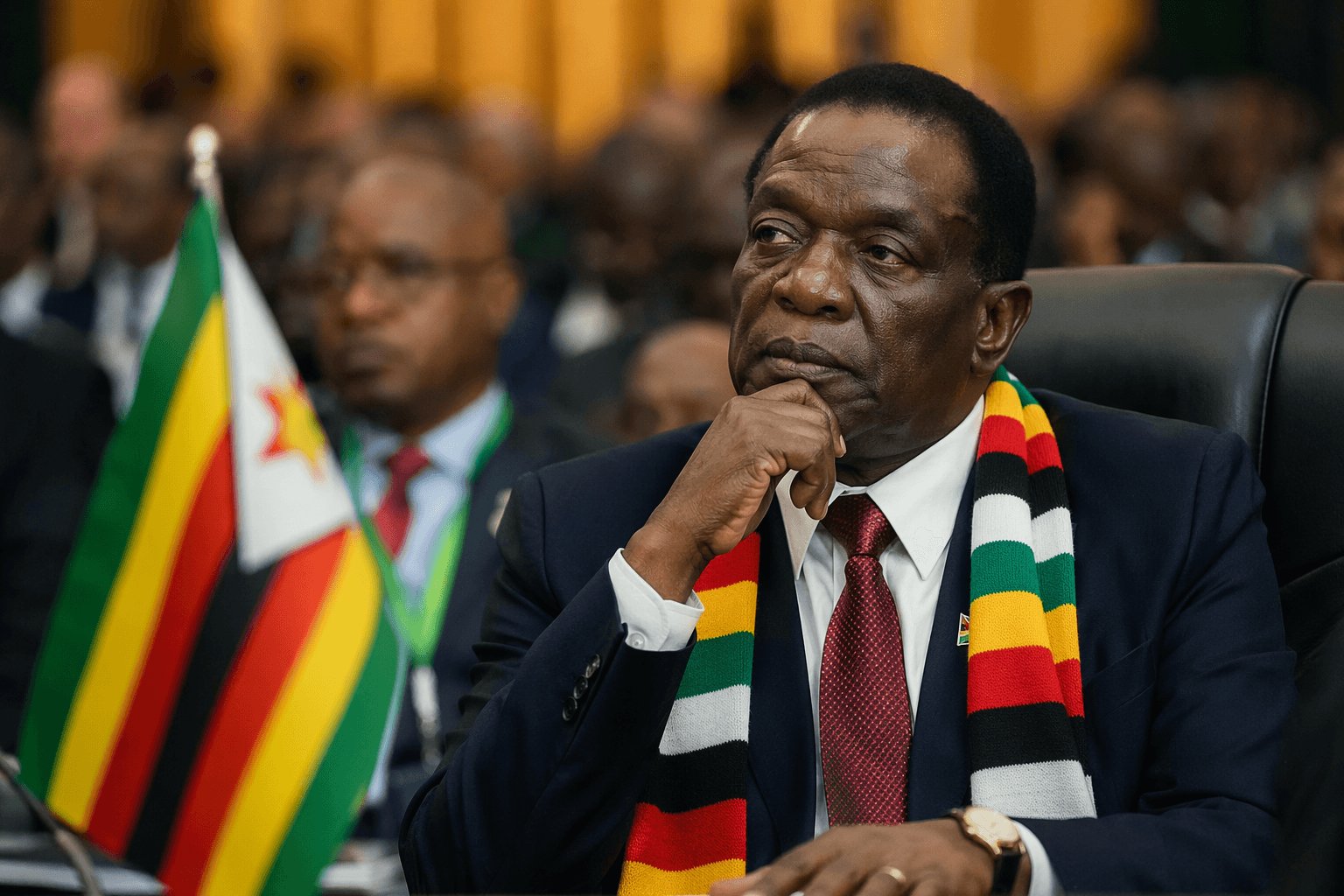
Zimbabwe pulled out of talks on a $367 million U.S. health agreement after balking at terms that would have required sharing sensitive health data.
President Donald Trump told West African leaders at the White House in July 2025 that the U.S. was shifting its approach from "aid to trade." His administration then dismantled USAID and froze large parts of foreign assistance, recasting health support as a transaction to be negotiated directly with national governments rather than through long-running donor and NGO networks.
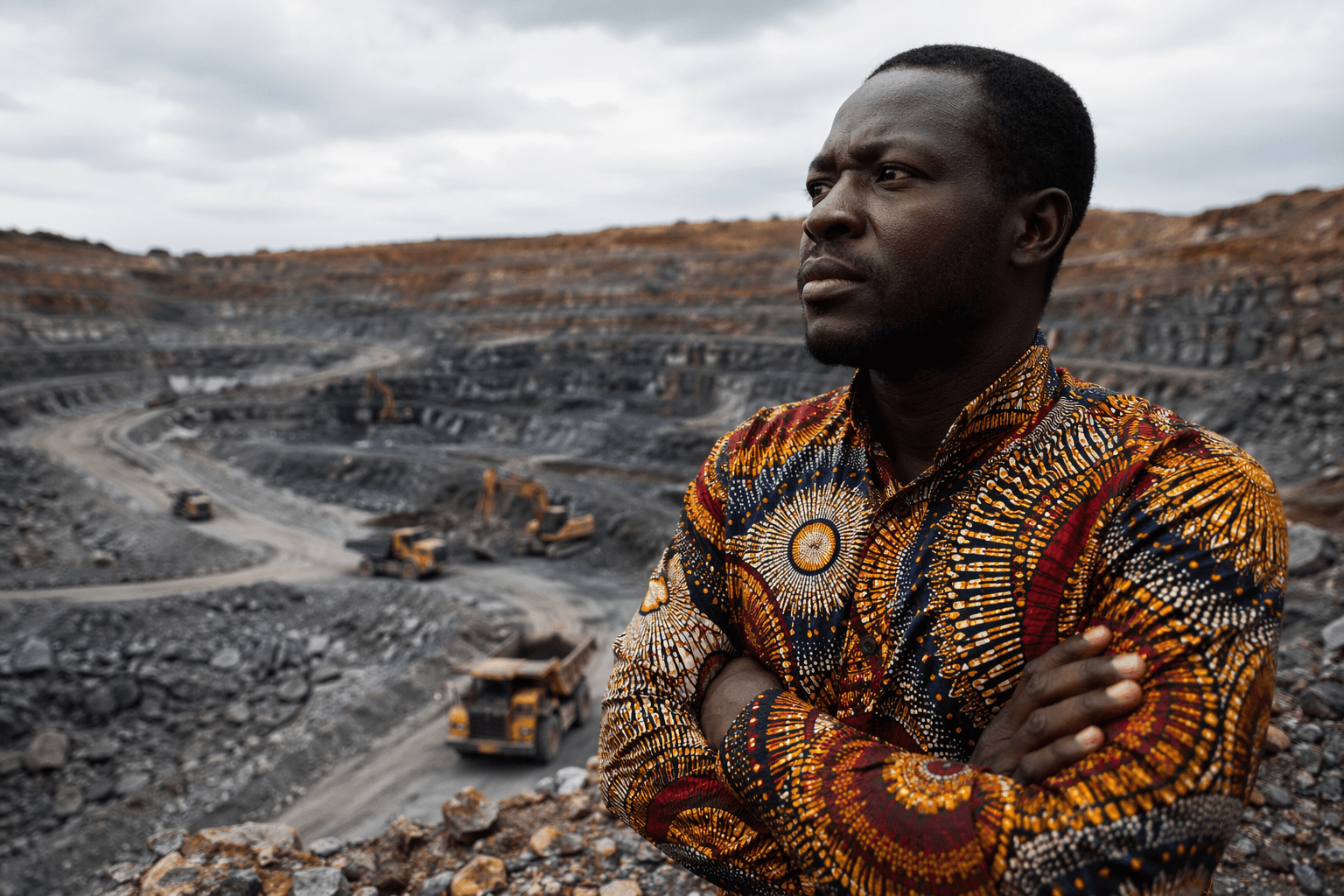
Zimbabwe's government described the offer as an "unequal exchange." In some of the rejected proposals, the terms tied health information to broader U.S. access to mineral resources and national health data.
Zambia turned down a package worth more than $1 billion. The package was structured as a five-year deal covering HIV, malaria, outbreak preparedness, maternal and child health, with about $340 million in Zambian co-financing. Zambian officials rejected it because the conditions did not align with national interests. Ghana rejected a separate bilateral health deal over the same sensitive data-sharing requirement.
The Institute for Security Studies estimates all African countries except Eritrea received U.S. aid in 2023, and ISS African Futures estimates the United States provides more than a quarter of development assistance to Africa. Health is the largest share of that support. In April 2025, the World Health Organization warned that malaria funding cuts could put millions of lives at risk and reverse decades of progress, while UNAIDS warned U.S. cuts had already forced retrenchments, halted programs and reduced access to HIV prevention across East and Southern Africa.
This article was produced by Prism’s automated news system from verified source data, official records, and press releases, then run through automated quality and moderation checks before publishing. The system is built and supervised by the people who set the standards it runs under. Read our full AI policy.
Did this article answer your question?