Airline Reports Strong Ticket Demand Despite Ongoing War in Iran
Delta posted a Q1 revenue record of $14.2 billion even as jet fuel more than doubled in 30 days, with five all-time ticket-sales records set since the Iran war began.
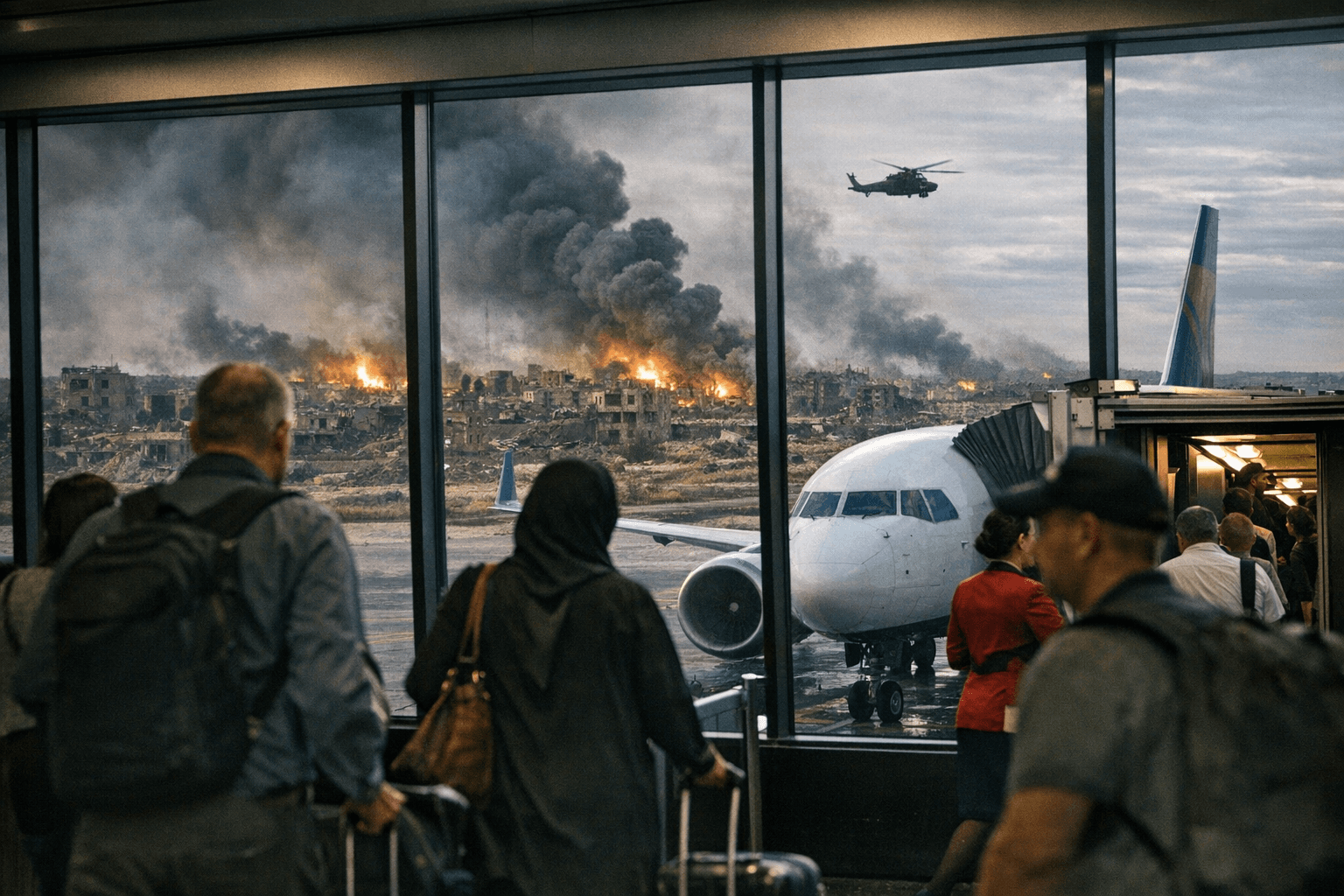
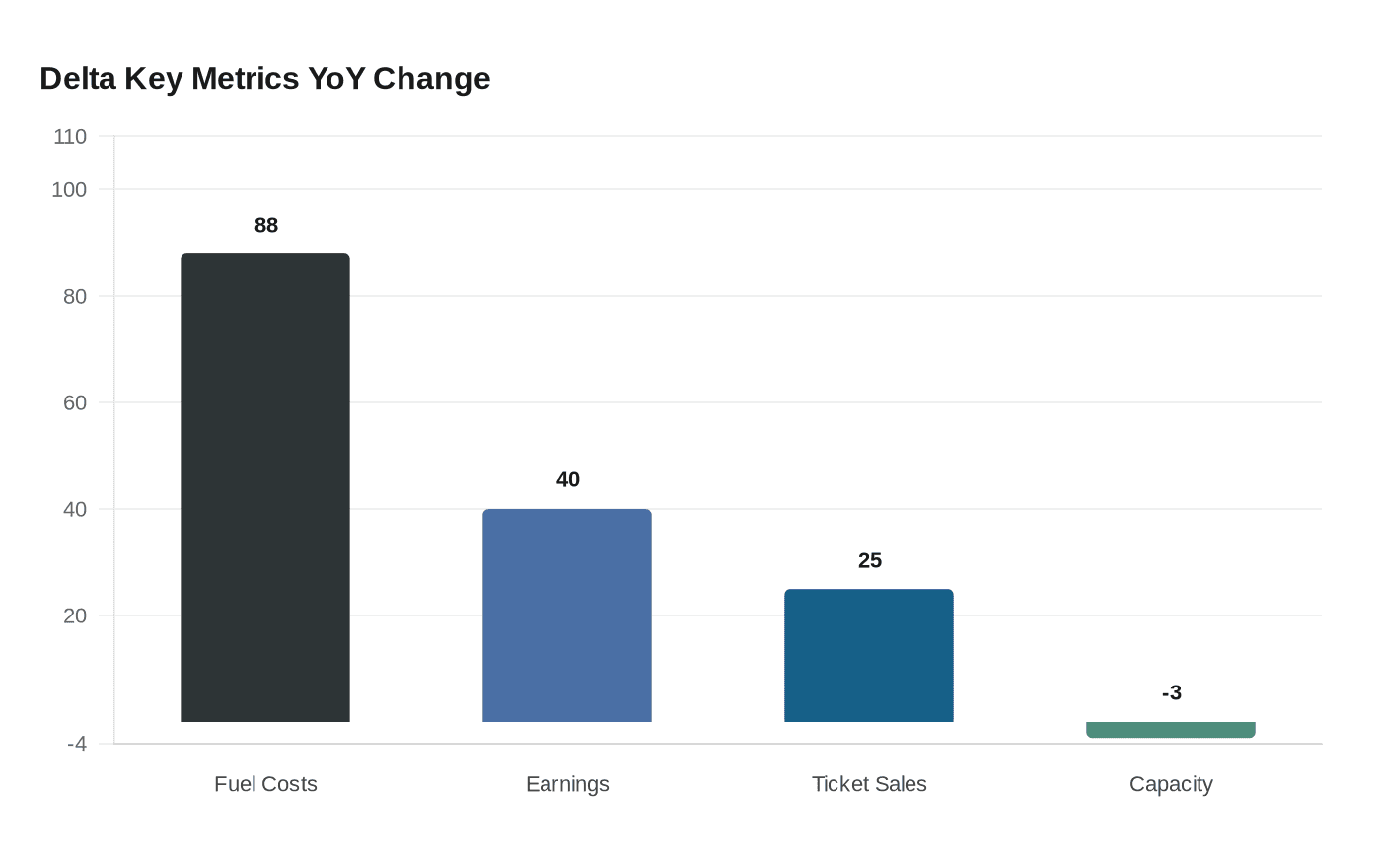
Delta Air Lines posted record first-quarter revenue of $14.2 billion on Wednesday, beating Wall Street's earnings-per-share estimate of $0.57 with an adjusted result of $0.64, even as jet fuel costs soared more than 88% in major U.S. cities since the United States and Israel attacked Iran in late February. CEO Ed Bastian said the airline delivered earnings "40% higher than last year and consistent with our January guidance" despite what he described as "a significant step-up in fuel and several external headwinds."
Five of Delta's top 10 ticket-sales days in the carrier's history have come since the war began, and sales in the week before March 17 rose about 25% from a year prior. The numbers offer a striking rebuttal to fears that geopolitical shock would crater travel demand; instead, passengers kept booking while airlines scrambled to recover margin on the cost side.
The mechanics of that recovery amount to a four-lever playbook. Delta has cut flights in low-traffic markets and midweek routes, raised fares, increased bag fees, and moved quickly to shed unprofitable flying. Capacity already fell 3% in the first three months of 2026 compared with a year ago, a deliberate thinning of the schedule designed to shift the revenue mix toward higher-margin seats. Main cabin revenue increased for the first time since late 2024, while premium cabins and international routes continued their multi-quarter run of outperformance.
Delta raised the fee for checked luggage with the first bag on a domestic flight costing $45 and the second $55, effective for flights booked from Wednesday onward. Delta was the third major carrier to move, following United, which raised bag fees by at least $10 on April 3, and JetBlue.
The factor that most distinguishes Delta from its U.S. peers is the Monroe Energy refinery near Philadelphia, acquired from Phillips 66 in 2012. The facility reduced Delta's fuel price by more than 2% during the first quarter and is expected to provide a $300 million benefit in the second quarter. Delta estimates that every one-cent change in jet fuel prices translates into $40 million of additional annual fuel expense, making the refinery a meaningful structural buffer at a moment when the spot market is punishing carriers without one.
For the second quarter, Delta projects more than $2 billion in additional fuel costs year-over-year, with an all-in fuel price of $4.30 per gallon, and expects pretax profit of $1 billion. Bastian held firm on full-year earnings-per-share guidance of $6.50 to $7.50, saying simply "we're not walking it back." The airline added that the second-quarter forecast assumes fuel prices remain elevated, building no relief from the Iran conflict into the base case.
The industry-wide picture is uniformly anxious on cost, even if demand holds. United Airlines CEO Scott Kirby said he was preparing scenarios where oil reaches $175 per barrel and stays above $100 through the end of 2026. Airline stocks surged Wednesday as a ceasefire eased fears of a prolonged fuel shock, with Delta shares jumping to $74, up roughly 13% on the day, though the two-week pause in U.S. strikes on Iranian infrastructure announced by President Trump on Tuesday leaves the underlying supply question unresolved.
Bastian framed what comes next in bluntly Darwinian terms. "High fuel prices have been the most powerful catalyst for change," he said, warning that they can compel airlines to "rationalize, consolidate or be eliminated." Delta said it is too early to update full-year 2026 projections while the fuel environment remains this volatile, meaning summer travelers should plan for continued capacity discipline, higher base fares, and fee structures designed to stay in place regardless of where oil settles.
This article was produced by Prism’s automated news system from verified source data, official records, and press releases, then run through automated quality and moderation checks before publishing. The system is built and supervised by the people who set the standards it runs under. Read our full AI policy.
Did this article answer your question?