Jaguar Health Completes Trial for Crofelemer to Treat Chemotherapy Diarrhea in Dogs
Jaguar Health wrapped a multi-site trial of crofelemer for chemo-induced diarrhea in dogs, a condition severe enough to halt cancer treatment; results are due in about a month.
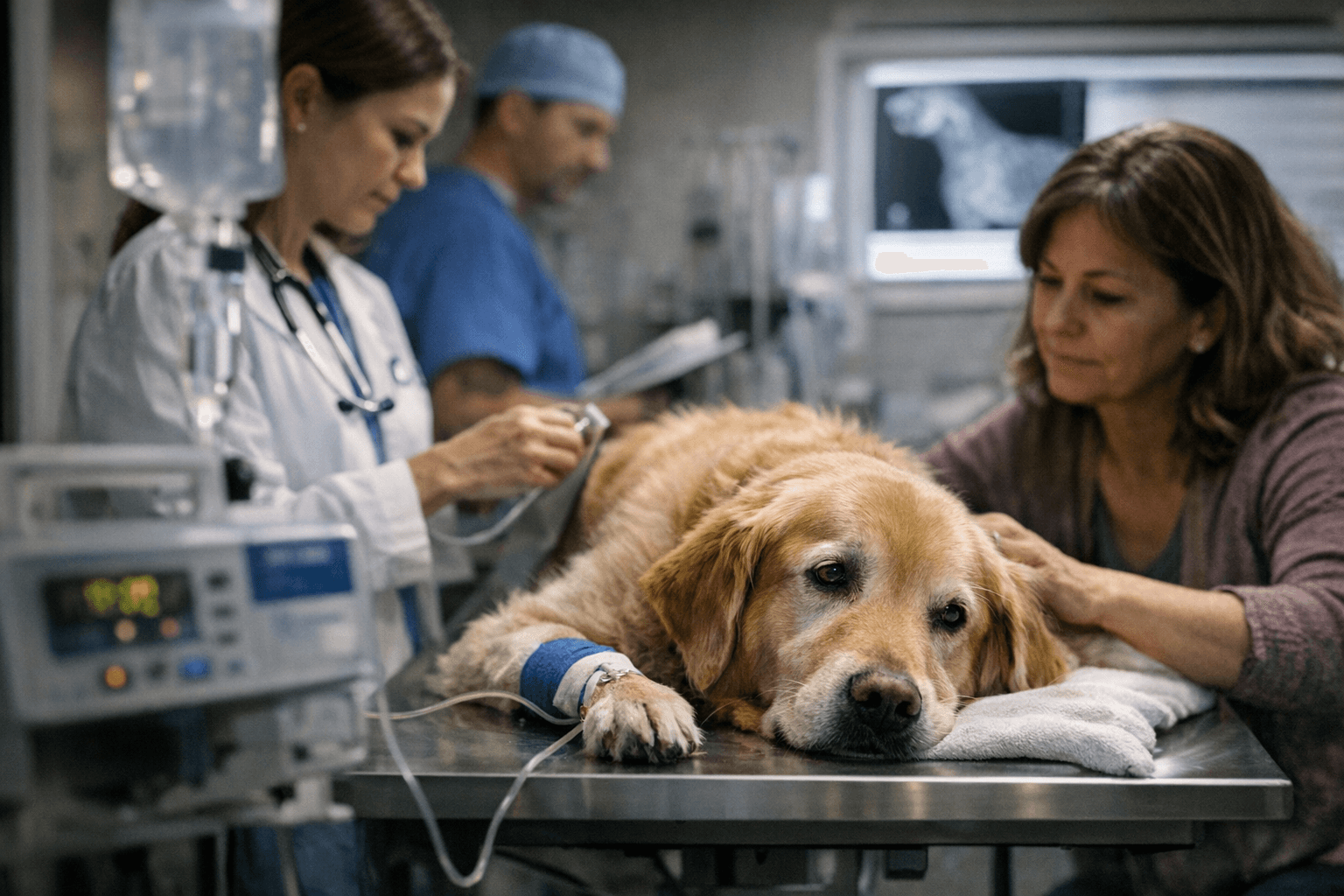
Chemotherapy-induced diarrhea can stop cancer treatment in dogs outright. Severe enough cases lead to dose reductions, hospitalizations, and in some instances the abandonment of a therapy regimen entirely, leaving owners facing compounded costs and a diminished prognosis.
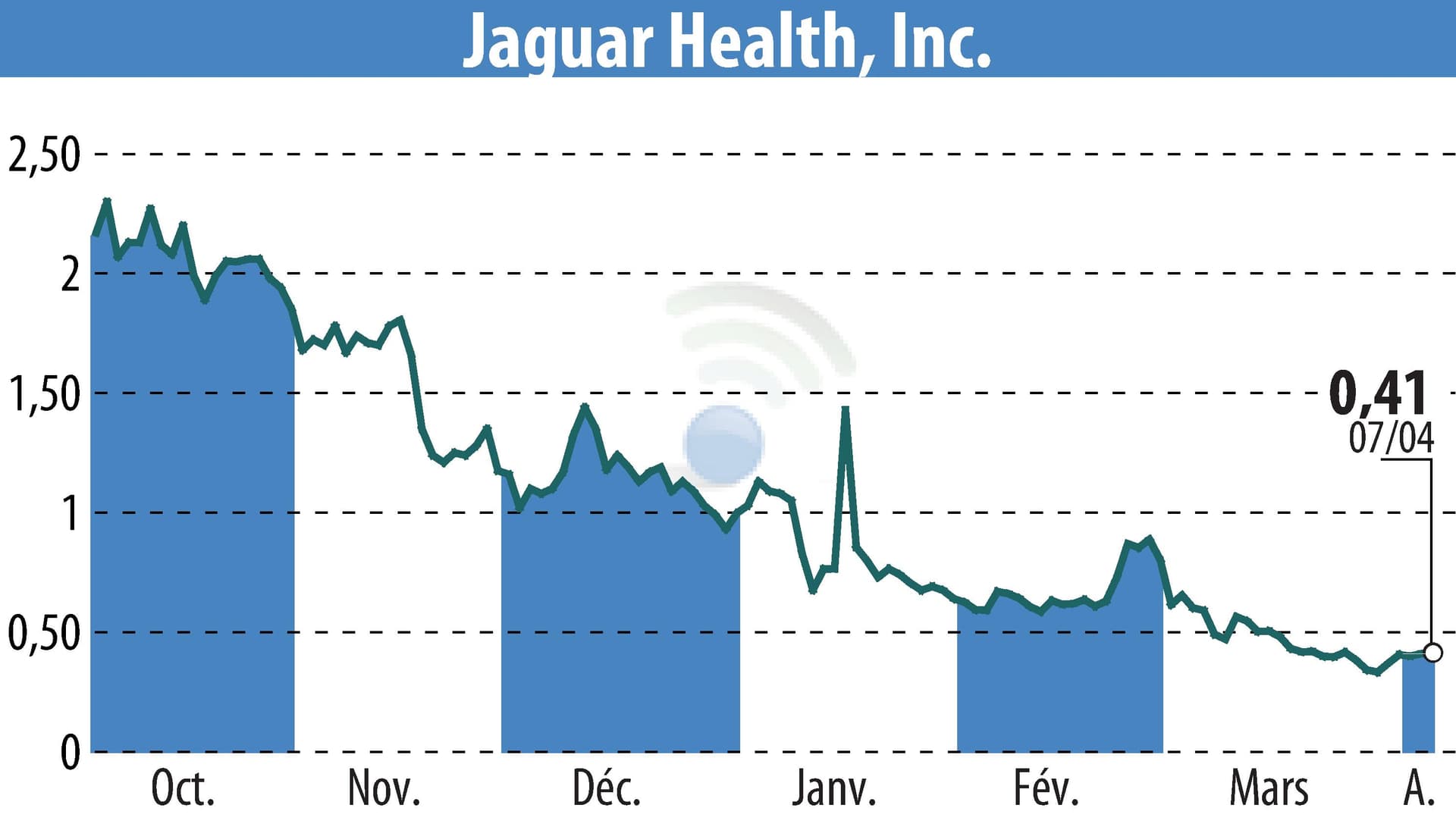
Jaguar Health announced Wednesday it had completed a multi-site effectiveness trial of crofelemer, a conditionally FDA-approved drug, for this specific complication in dogs. The biotech, listed on the Nasdaq as JAGX, said topline results are expected within approximately one month.
The trial ran at veterinary oncology clinics across the United States. Finishing it was not optional: the FDA had renewed conditional approval of Jaguar's veterinary product for a fifth and final year through December 21, 2026, and completing the effectiveness trial was a regulatory prerequisite for seeking full approval of the chemotherapy-induced diarrhea indication. Without a successful efficacy read, the product's conditional status would expire at year's end.
The financial stakes for pet owners are real. Chemotherapy protocols for dogs are medically sophisticated and expensive, often running into thousands of dollars over the course of treatment. Each interruption from a side effect like diarrhea adds veterinary visits, supportive care costs, and the risk that reduced doses translate into reduced effectiveness. A clinically proven supportive-care drug could help oncologists keep dogs on full-dose protocols longer, compressing both the suffering and the bills.
Crofelemer's track record runs through human medicine first. The compound originally emerged from formulations targeting secretory diarrheas, including HIV-associated diarrhea in adults, before Jaguar pursued veterinary oncology applications. The move follows a recognized pharmaceutical logic: adapt a drug with an established safety record to a new patient population where nothing comparable exists. The critical variable is always whether the mechanism carries over.
Jaguar's announcement cited prior positive findings to frame the trial's completion as a step forward but stopped short of releasing any efficacy numbers. The topline readout, expected within roughly 30 days, will show how large any treatment benefit was, whether safety signals appeared across the multi-site canine population, and whether the data package supports a submission to the FDA's Center for Veterinary Medicine.
How veterinarians eventually adopt this drug, if it reaches full approval, will depend on that data. Oncology supportive-care decisions are evidence-driven; clinical uptake follows demonstrated effect size, not announcements. Pricing will shape access in parallel: specialty veterinary drugs with an approved indication and limited competition can command significant markups, and most pet owners absorb those costs without the insurance coverage that buffers comparable decisions in human medicine.
Jaguar positioned the completed trial as the foundation for a fuller veterinary label and a commercial foothold in oncology supportive care. If the topline results confirm meaningful benefit, a full-approval submission to the FDA's Center for Veterinary Medicine would be the next move.
This article was produced by Prism’s automated news system from verified source data, official records, and press releases, then run through automated quality and moderation checks before publishing. The system is built and supervised by the people who set the standards it runs under. Read our full AI policy.
Did this article answer your question?

