Airlines face higher fuel costs and aircraft shortages at IATA summit
High fuel prices and jet shortages are squeezing airline margins, with IATA warning weaker carriers could fail as fares rise and routes disappear.

Higher jet fuel bills and a shortage of new aircraft are starting to hit passengers first: higher fares, thinner schedules on marginal routes and fewer choices as airlines struggle to keep weaker networks profitable. The pressure was front and center at the International Air Transport Association’s annual summit in Rio de Janeiro, where the industry entered a more fragile phase of recovery just as the conflict in the Middle East pushed up fuel costs and forced longer, more expensive detours.
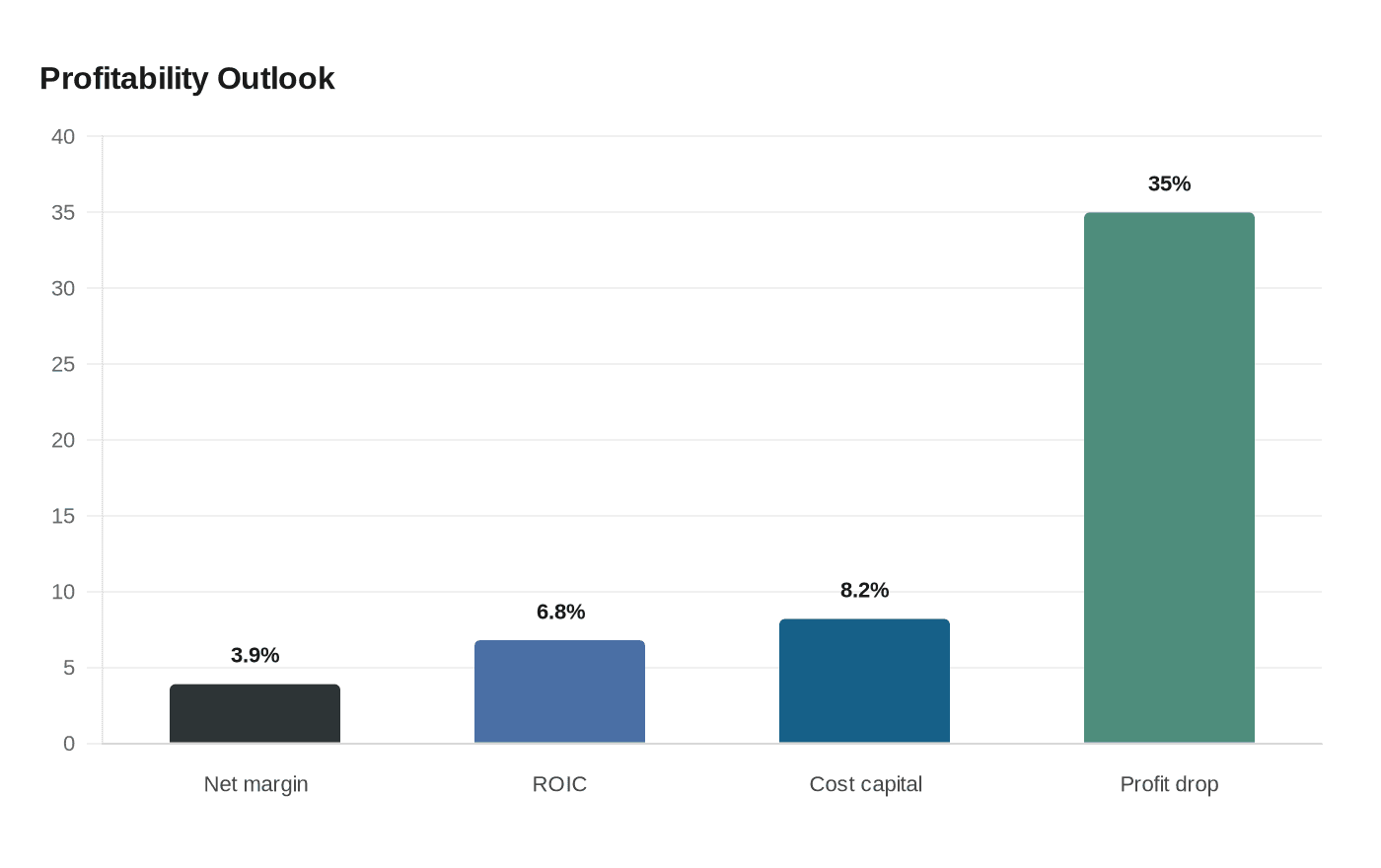
The gathering, held June 6-8 and hosted by LATAM Airlines Group, brought together hundreds of airline chiefs, manufacturers, suppliers and financiers under one roof. IATA, which represents more than 370 airlines and about 85% of global air traffic, is still projecting a large industry, but not a very lucrative one. In its December 2025 outlook, the group forecast $1.053 trillion in revenue in 2026, 5.2 billion passengers, and $41 billion in net profit, equal to a 3.9% margin. Even then, the industry’s return on invested capital was expected to reach only 6.8%, below an estimated 8.2% cost of capital.
Willie Walsh, IATA’s director general, warned that some airlines will not survive if fuel remains this expensive and aircraft deliveries stay delayed. He said some carriers will go out of business and others will be acquired, with budget airlines most exposed because they lack premium-cabin income, loyalty-program revenue and other higher-margin businesses that help buffer fuel shocks. He also argued that the low-cost model is not broken overall, pointing to strong operators such as Ryanair, but said the economics are more punishing in the United States.
Aircraft shortages are making the fuel problem worse. Delivery delays from Boeing and Airbus have left many carriers flying older, less efficient jets longer than planned, raising operating costs just as jet fuel has become more expensive. That combination makes it harder to preserve capacity, especially on thinner routes where airlines already had limited room to absorb extra costs. Some of those routes are turning uneconomic altogether once longer detours and higher fuel burn are added in, according to Air India’s outgoing chief executive Campbell Wilson.
The pricing pressure is already showing up in the market. Southwest Airlines chief executive Bob Jordan said U.S. carriers have raised fares seven times since February without seeing demand weaken. Still, not every airline has the same ability to pass costs through, and that divide is likely to sharpen. Stronger network carriers and airlines with more premium traffic can absorb more of the shock, while smaller rivals and price-sensitive travelers face the greatest strain.
Moody’s Ratings added to the caution last week when it cut its global airline sector outlook to negative from stable, saying fuel costs tied to the Iran conflict and disruption around the Strait of Hormuz could materially reduce operating profit this year and push profits down by more than 35% in 2026 before a recovery next year. IATA also said global passenger traffic contracted in April for the first time since the post-pandemic rebound, led by Middle Eastern carriers. Walsh said the Gulf hubs in Dubai, Doha and Abu Dhabi should remain important because of geography and the strength of Emirates, Qatar Airways and Etihad, but the immediate effect of the shock is clear: the airline industry is entering another round of consolidation pressure, and weaker balance sheets are likely to take the first hits.
This article was produced by Prism’s automated news system from verified source data, official records, and press releases, then run through automated quality and moderation checks before publishing. The system is built and supervised by the people who set the standards it runs under. Read our full AI policy.
Know something we missed? Have a correction or additional information?
Submit a Tip