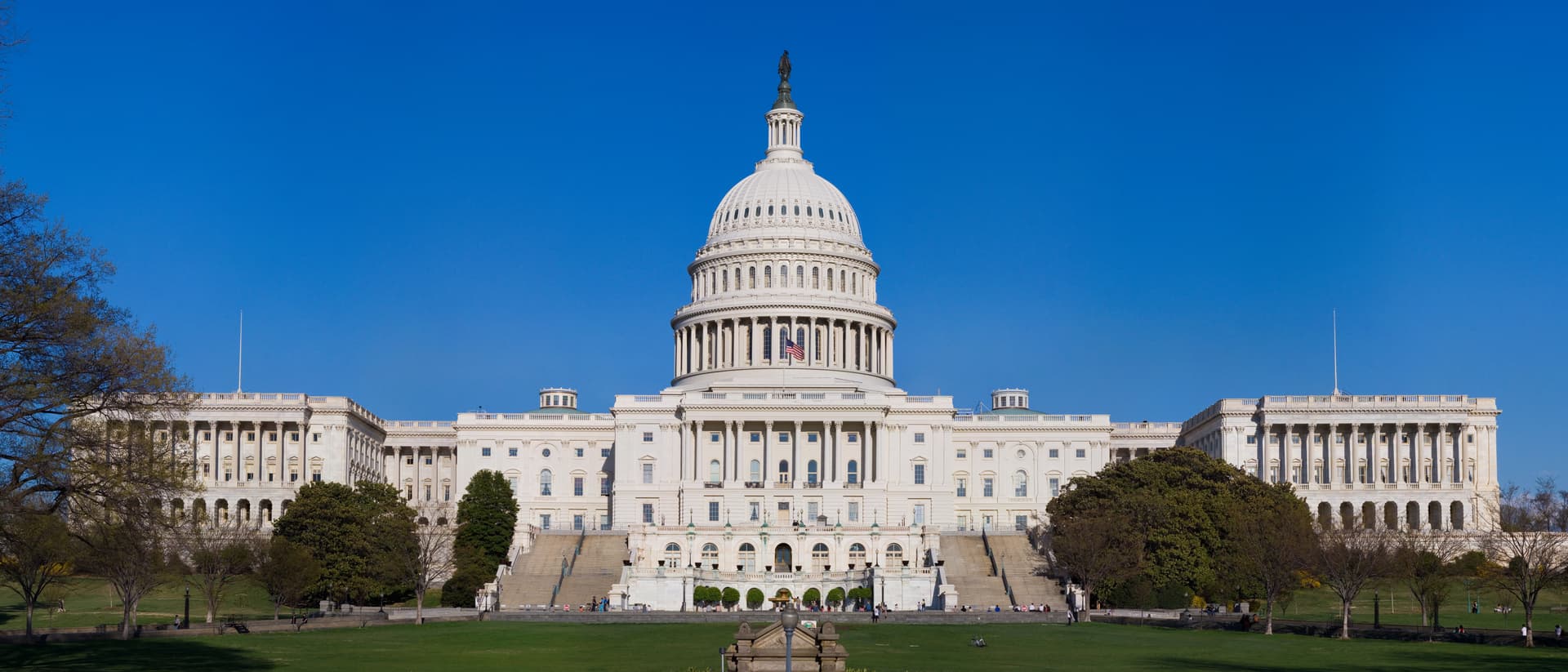
Alabama primary races delayed as redistricting battles reshape elections nationwide
A Supreme Court ruling turned Alabama’s May 19 House primaries into a do-over in four districts, pushing the real contest to August 11.
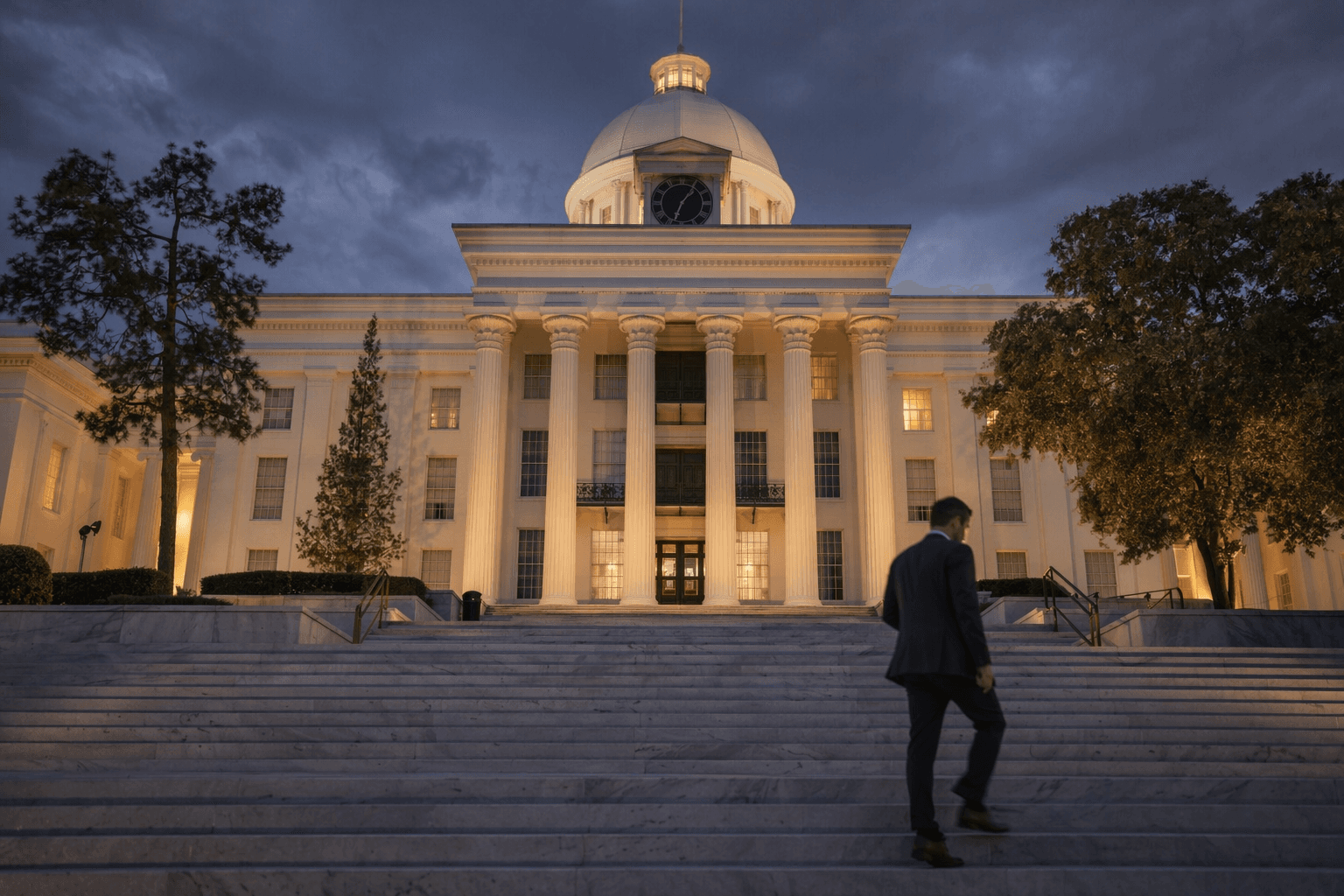
Alabama’s congressional map fight forced the state into an unusual split-screen election: voters cast ballots Tuesday in four House districts, but those results will not count, and the real primary in Alabama’s 1st, 2nd, 6th and 7th districts is now set for August 11. The change followed the Supreme Court’s May 11 decision to vacate lower-court rulings that had blocked the state from using its 2023 GOP-drawn map, which contains one majority-Black district rather than the two majority-Black districts in the court-approved plan.
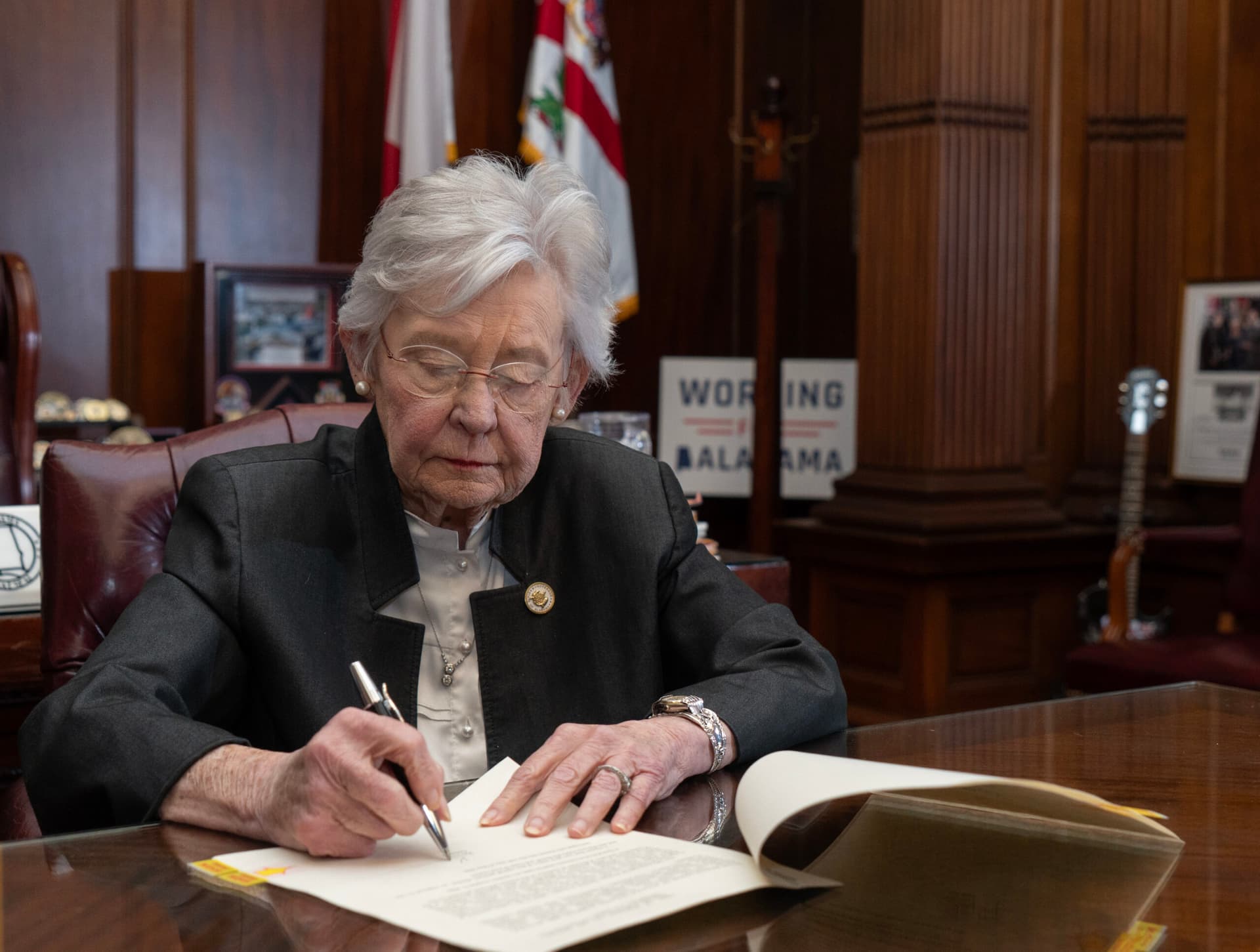
Gov. Kay Ivey responded by issuing a proclamation that called a special primary for August 11, with no runoff. Major-party qualifying opens Wednesday, May 20, and closes Friday, May 22, at 5:00 p.m. The general election remains scheduled for November 3, and statewide, legislative, judicial and local races on the May 19 ballot continue on their original timetable. For the four affected congressional districts, however, any results from Tuesday’s primaries will be overtaken by the August vote.
The redraw sits inside a longer fight that began after the 2020 census, when federal courts found Alabama’s prior congressional map likely violated Section 2 of the Voting Rights Act. The current dispute is not just about boundaries. It is about which voters can shape representation, and how quickly those rules can change. Voting rights groups said the restored map was intentionally discriminatory and warned of chaos and confusion, while Alabama officials argued the state should be allowed to use the map enacted by its legislature.
That instability is rippling well beyond Alabama. Kyle Kondik of Sabato’s Crystal Ball said redistricting has already given the House map a larger GOP bias, and his state-by-state review said Republicans could gain an extra seat each in Alabama, Louisiana and South Carolina, leaving the party with a high-single-digit advantage from redistricting alone if the current redraws hold. His broader analysis also points to fresh map fights in places such as Florida, Texas, California and Virginia, showing how mid-cycle redistricting can change not only district lines but which races are competitive, which coalitions are viable and which voters matter most. In Alabama, that meant a four-district primary became a two-date election, with one vote now serving as a rehearsal for another.
Know something we missed? Have a correction or additional information?
Submit a Tip