Jan. 6 officers sue to block Justice Department anti-weaponization fund
Jan. 6 officers who were beaten defending the Capitol sued to stop a $1.776 billion Justice Department fund they say could reward violence against them.
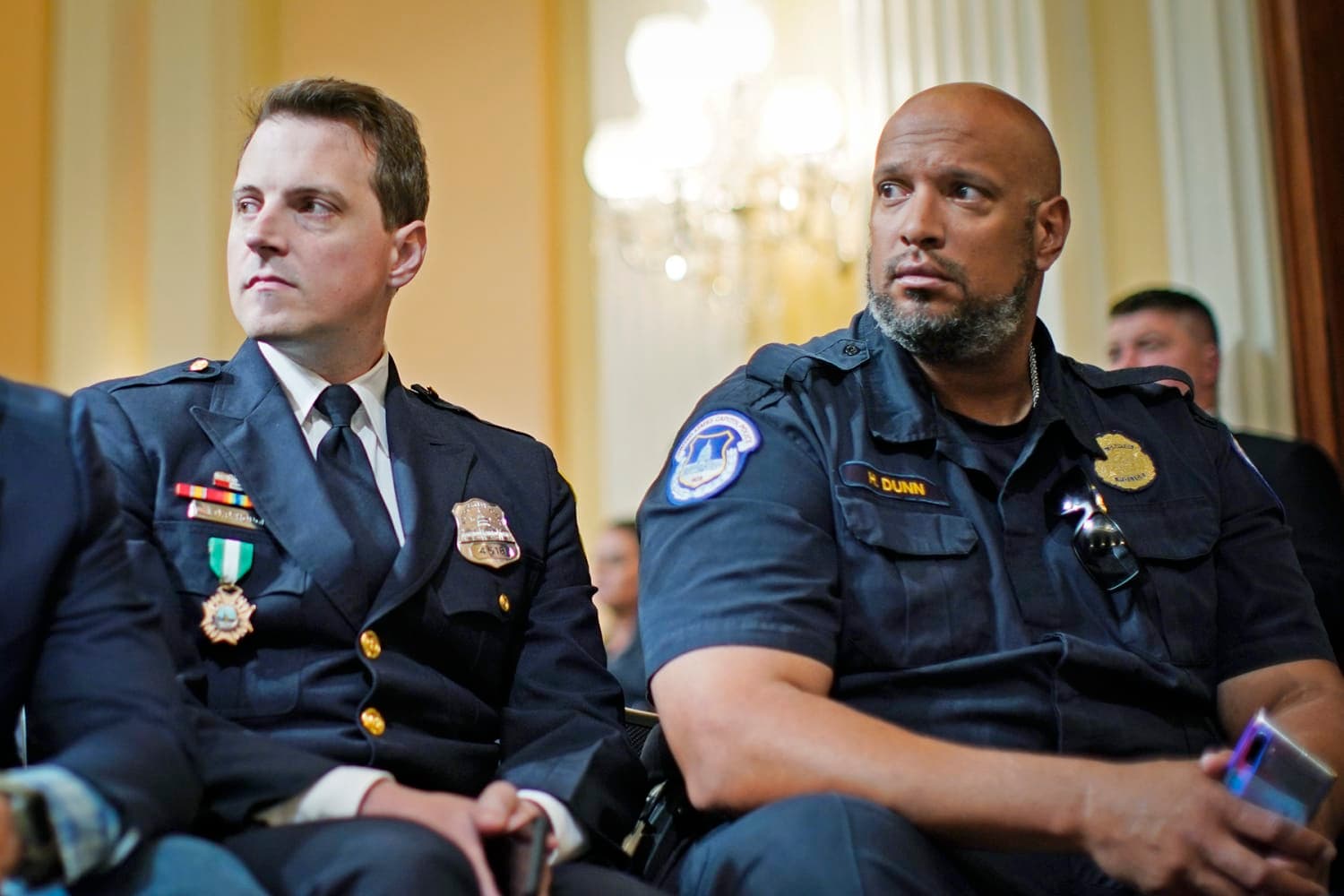
Two officers injured while defending the U.S. Capitol on Jan. 6, 2021, sued the Justice Department on Wednesday to block a new $1.776 billion anti-weaponization fund, arguing that money built to address claims of government abuse could instead deepen the injustice they say they have already endured.
The plaintiffs, retired U.S. Capitol Police officer Harry Dunn and Metropolitan Police Department officer Daniel Hodges, filed their complaint in federal court in Washington, D.C. They ask a judge to declare the fund illegal and to reverse any Treasury transfers used to finance it, putting the legal fight squarely over how the federal government may spend public money after a politically charged settlement.
The Justice Department announced the fund on Monday as part of a settlement resolving Donald J. Trump’s $10 billion lawsuit over the leak of his tax returns from the Internal Revenue Service. Under the deal, Trump, Donald Trump Jr., Eric Trump and the Trump Organization will receive a formal apology but no monetary damages. The department said the fund will be financed through the Judgment Fund and will stop processing claims no later than Dec. 1, 2028.
Acting Attorney General Todd Blanche said the fund is meant to create a process for people who say they suffered “weaponization” and “lawfare.” He told senators the department planned to use a five-member commission to guide claims, but it has not yet disclosed who those commissioners are or what eligibility rules will govern payments. Blanche did not rule out payments to Jan. 6 rioters or others convicted of violence if they apply and are deemed eligible, a prospect that has intensified alarm among officers, legal observers and some former Trump administration figures already signaling interest in the money.
Dunn and Hodges say the fund’s very existence sends the wrong signal. Their complaint argues that it violates the 14th Amendment’s prohibition on using federal money to pay any debt or obligation incurred in aid of insurrection or rebellion. The filing says both men have faced ongoing harassment and death threats since speaking publicly about their injuries, and contends that a government compensation program framed around “weaponization” could end up financing Proud Boys members and other Jan. 6 rioters or paramilitary groups.
The Justice Department has said any claim would be voluntary, that there are no partisan requirements to apply, and that any money left over when the fund expires will revert to the federal government. Its press materials cite the Keepseagle case as precedent for a similar compensation structure. But for the officers who stood between the mob and the Capitol, the dispute is now about a deeper institutional question: whether the government can create a relief mechanism in the name of fairness that, in practice, may reward the very forces that tried to overturn an election.
Know something we missed? Have a correction or additional information?
Submit a Tip