Judge orders White House aides to preserve presidential records
A federal judge ordered White House staff to save presidential records, including work texts and Signal messages, in a ruling that tests whether the law has any teeth.

A federal judge has ordered White House aides and top advisers to preserve presidential records, including work-related texts and Signal messages, in a ruling that puts new pressure on the Trump administration’s effort to narrow the reach of the law created after Watergate. U.S. District Judge John Bates granted a preliminary injunction Tuesday, and it is set to take effect at 9 a.m. on May 26, 2026.
The order covers most White House employees and several offices inside the Executive Office of the President, including White House chief of staff Susie Wiles, deputy chief of staff Stephen Miller, the National Security Council, the Council of Economic Advisers, the White House Office, the Office of Records Management, the Homeland Security Council, the Executive Residence, the Office of Administration, the Office of the Vice President and the U.S. DOGE Service. It does not directly bind Donald Trump or Vice President JD Vance, but it reaches the staff around them who handle much of the day-to-day flow of official business.
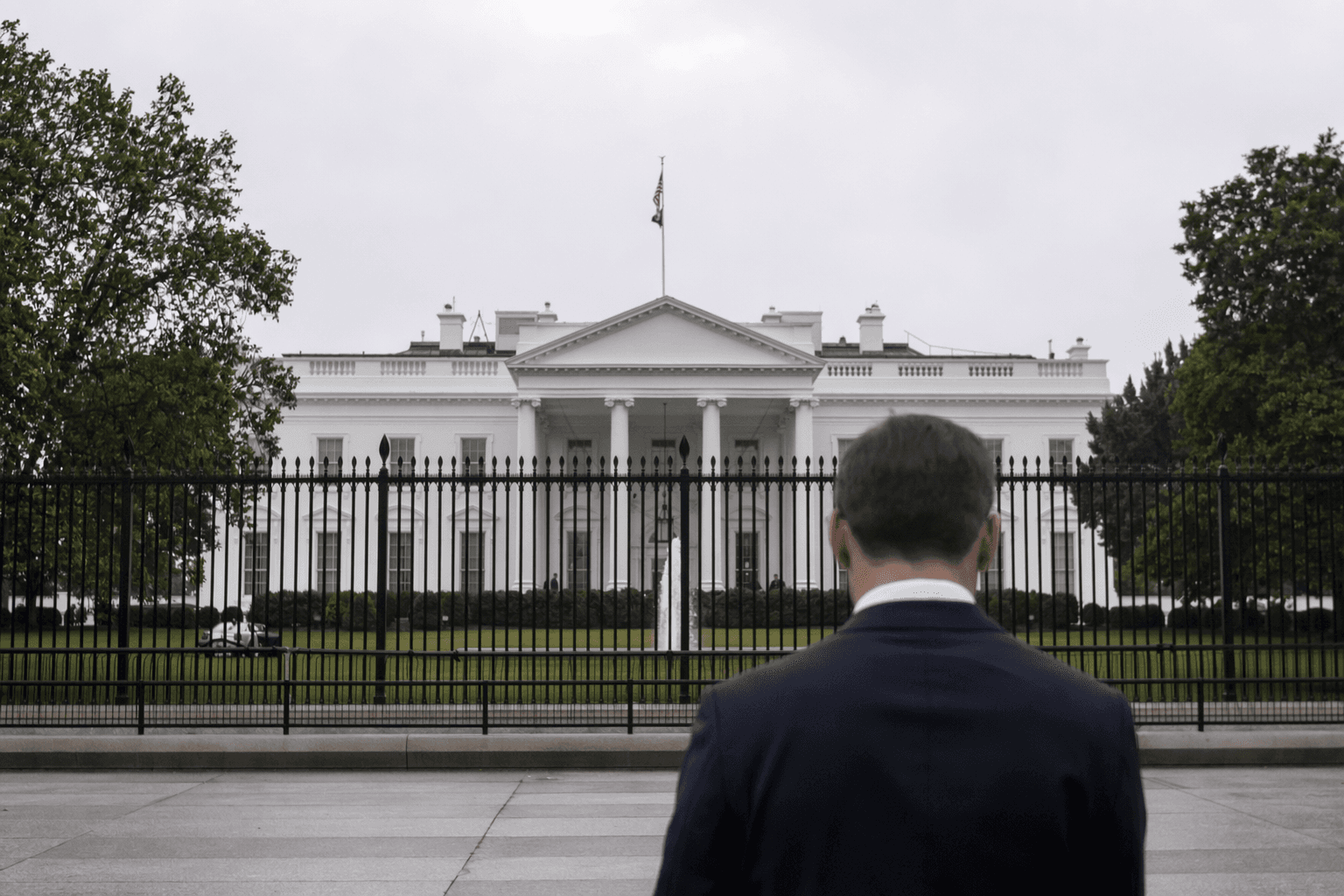
The case turns on the Presidential Records Act, the 1978 law that makes presidential records public property and requires that they be preserved and transferred to the National Archives and Records Administration at the end of an administration. Bates wrote that the law is "likely constitutional" and rejected the administration’s position that the White House could disregard it. He said adopting that view would weaken Congress and future presidents’ ability to learn from prior administrations, invoking the inscription on the National Archives Building: "What is past is prologue."
The lawsuit was brought in Washington by the American Historical Association, American Oversight and the Freedom of the Press Foundation. The challenge came after the Department of Justice’s Office of Legal Counsel issued a memo in April saying the Presidential Records Act was unconstitutional and claiming Trump need not comply with it. Plaintiffs said that stance threatened the preservation of official records, including messages on personal devices, and said White House staff had been told to keep only some personal-device texts if they were the sole record of an official action or otherwise "unique."
Records experts and historians warned that the opinion could have consequences far beyond this White House. One estimate cited more than 700 million White House emails that could be affected, while reporting also noted that more than 78,000 pages of Clinton-era records were scheduled to open to the public soon. Citizens for Responsibility and Ethics in Washington called the ruling a "significant win for transparency and accountability," saying presidential records belong to the United States and the American people.
Know something we missed? Have a correction or additional information?
Submit a Tip