Rubio sharpens Cuba sanctions, targets military-linked conglomerate GAESA
Rubio tied his Cuba crackdown to exile memory, sanctioning GAESA and offering Cubans aid as he pressed a tougher U.S. line.
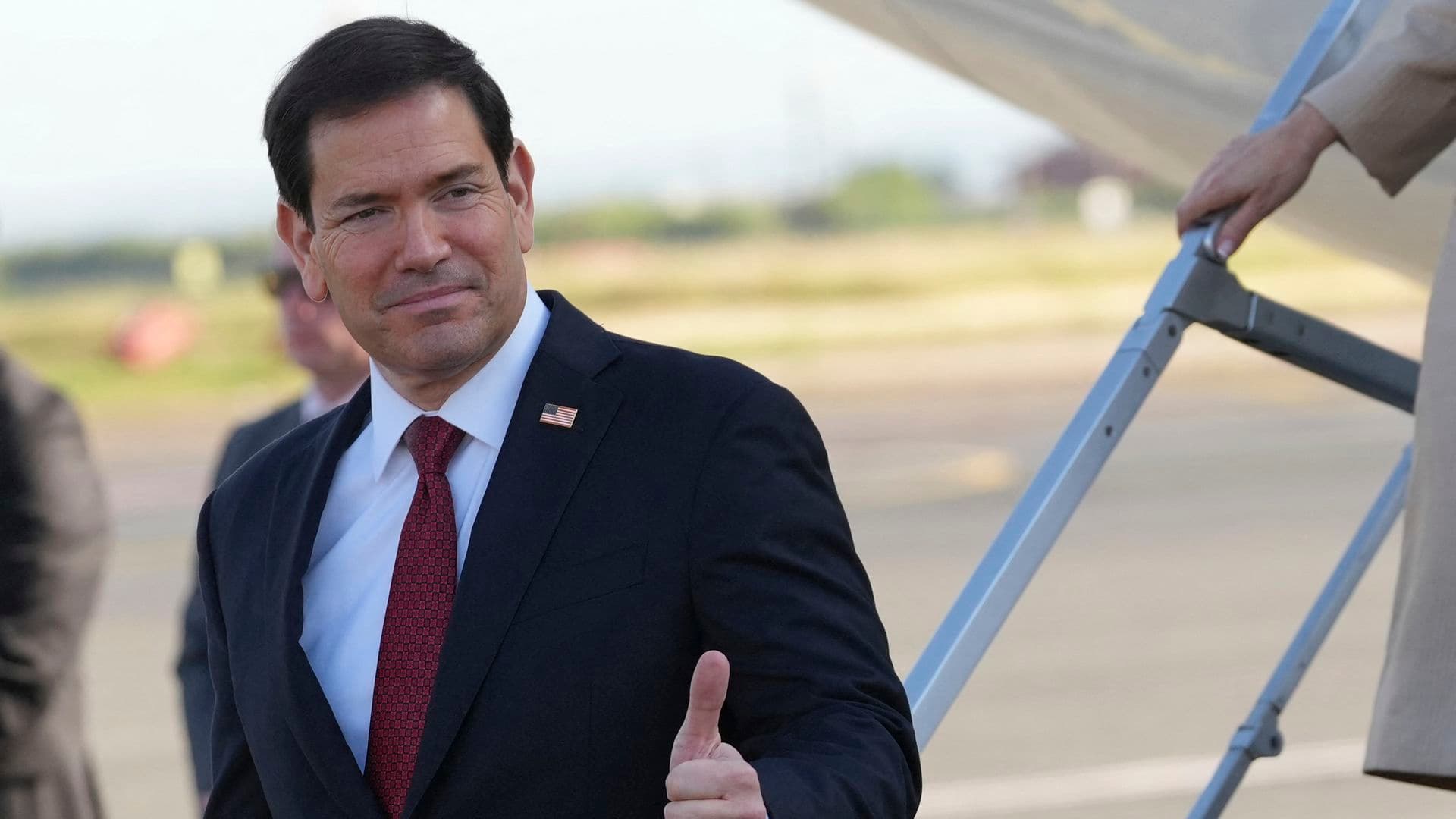
Marco Rubio’s Cuba policy now carries the imprint of his own family story, from a Miami childhood in 1971 to a State Department portfolio that has put Washington squarely back on the island’s case. The son of Cuban immigrants who left before the Castro revolution, Rubio grew up with a father who worked as a banquet bartender and a mother who worked as a hotel maid and stay-at-home parent. That biography now sits behind a widening sanctions campaign aimed at Cuba’s military-linked economy.
The latest step came with sanctions on GAESA, the Cuban military’s powerful financial conglomerate, and on additional officials and entities. The State Department said the moves were meant to strip Cuba’s communist leadership and military of access to illicit assets. Days later, the department announced another round of sanctions on regime elites. On May 20, Rubio addressed Cubans in Spanish and offered a new relationship and a new path, while blaming Havana’s leaders for shortages that have deepened daily hardship across the island.
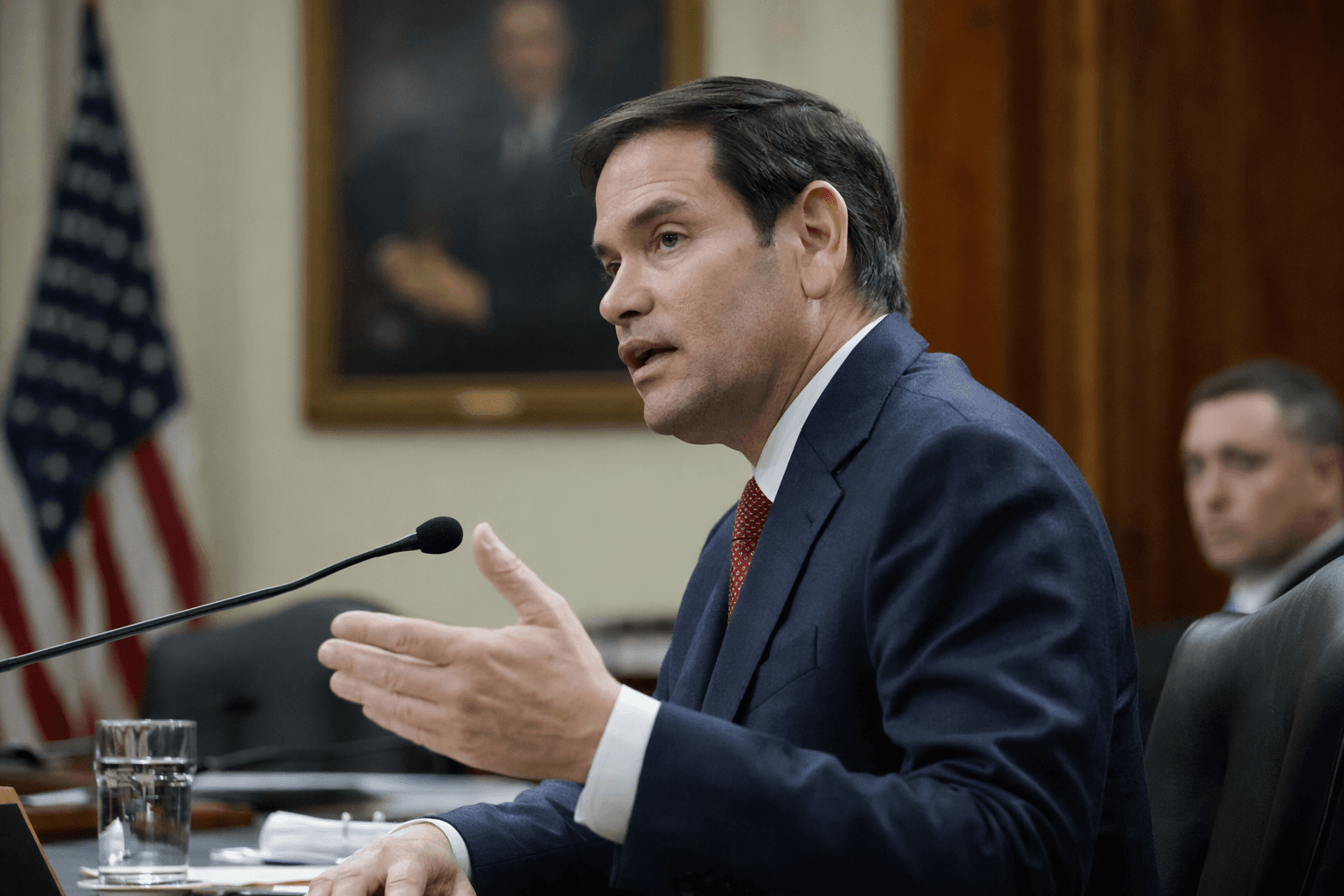
Rubio’s hard line lands on top of a policy that has swung sharply for decades. The U.S. embargo dates to President John F. Kennedy’s February 1962 proclamation. In 2014, the Obama administration moved toward engagement, restoring diplomatic relations and easing restrictions. The Trump administration then reversed course beginning in 2017, adding sanctions and limits on transactions involving companies controlled by the Cuban military. Rubio helped restore that tougher posture in January 2025, and the White House followed with an executive order on May 1, 2026, imposing sanctions on those responsible for repression in Cuba and for threats to U.S. national security and foreign policy.
The question is whether Rubio’s drive is a coherent strategy, a symbolic pressure campaign, or both. The sanctions on GAESA suggest a practical attempt to cut off the military’s money flow and reduce the state’s access to hard currency. But the timing of the May 20 video, a date many in the Cuban exile community mark as Cuba’s Independence Day, gave the message clear political resonance in South Florida and beyond. Reuters also reported that the administration paired the appeal with a proposed $100 million in aid for food and medicine, underscoring the attempt to combine punishment with relief.

Reaction followed familiar lines. Miami’s Cuban American community and hardline exile voices welcomed the sanctions and Rubio’s escalation. The Cuban government condemned the measures as collective punishment and unilateral coercive measures against ordinary Cubans. Rubio has also argued that Cuba meets the criteria to be designated a state sponsor of terrorism, pointing to alleged support for armed groups and ties to Hamas, Hezbollah and Iran, a position that keeps the island at the center of Washington’s broader confrontation with authoritarian allies and adversaries alike.
Know something we missed? Have a correction or additional information?
Submit a Tip